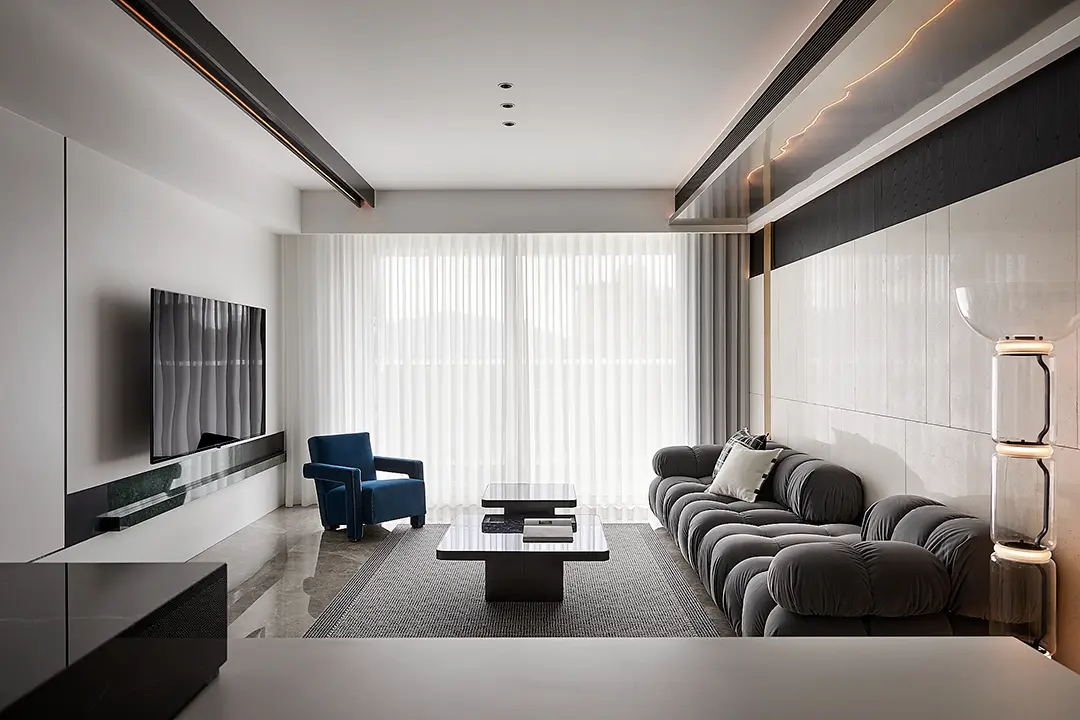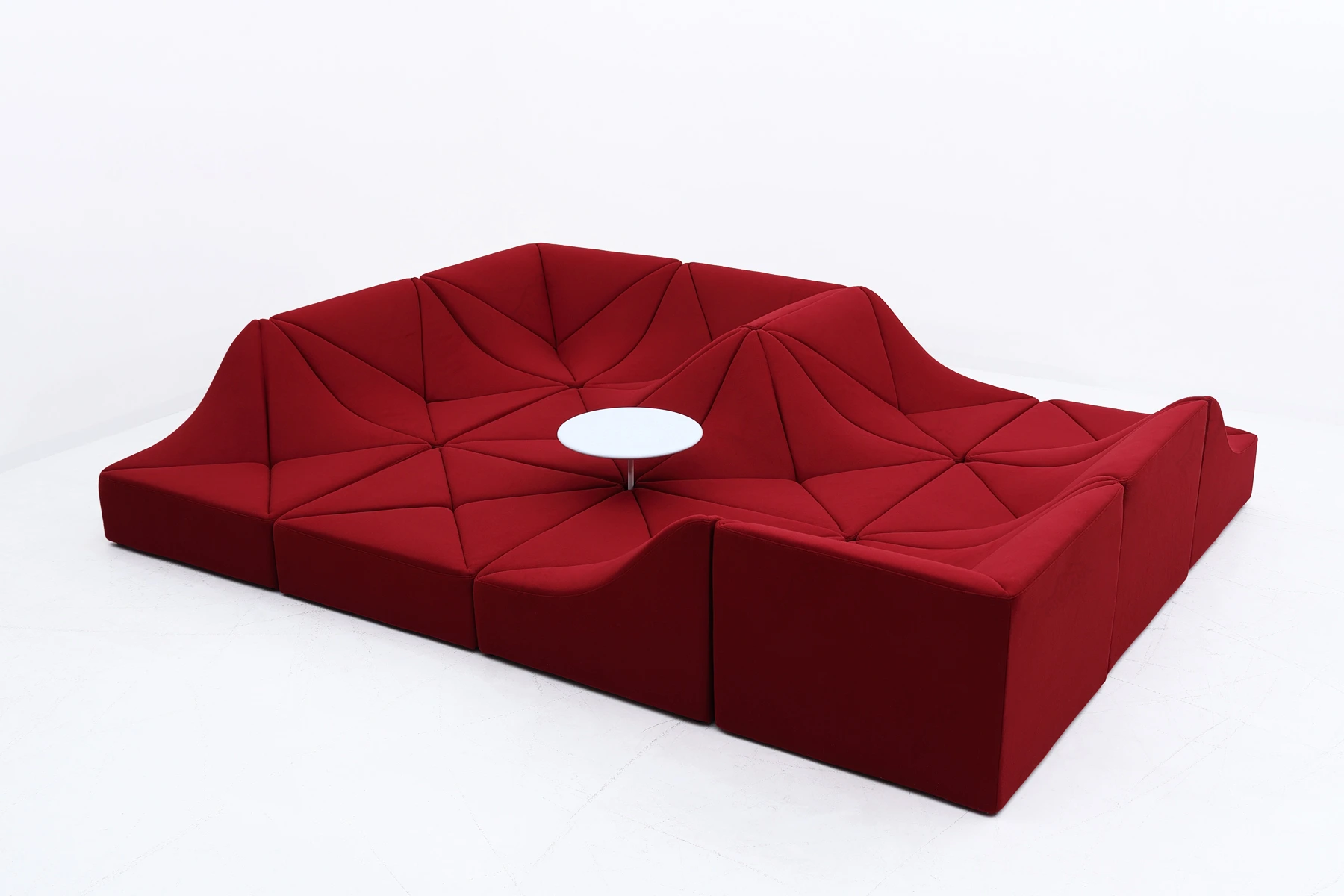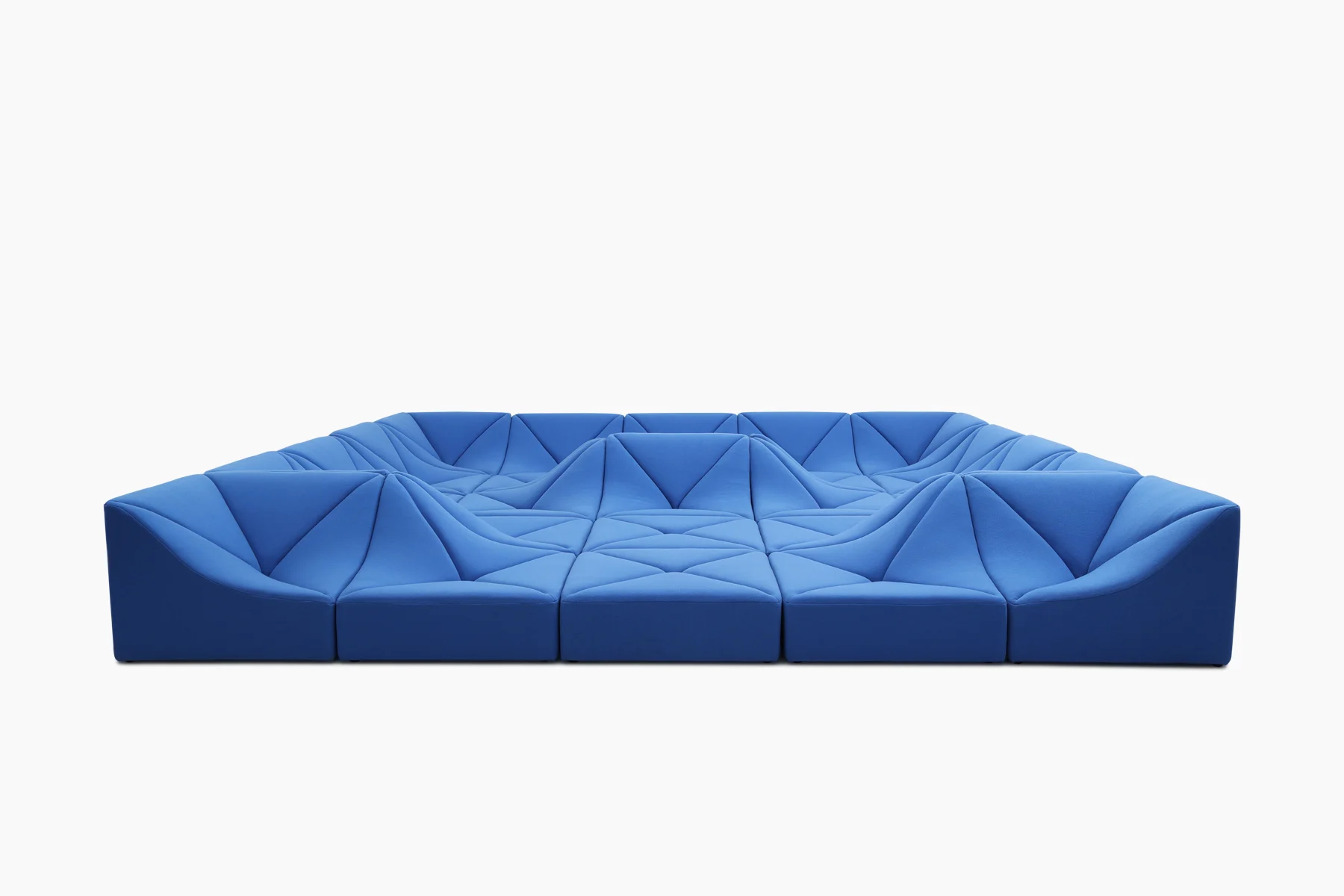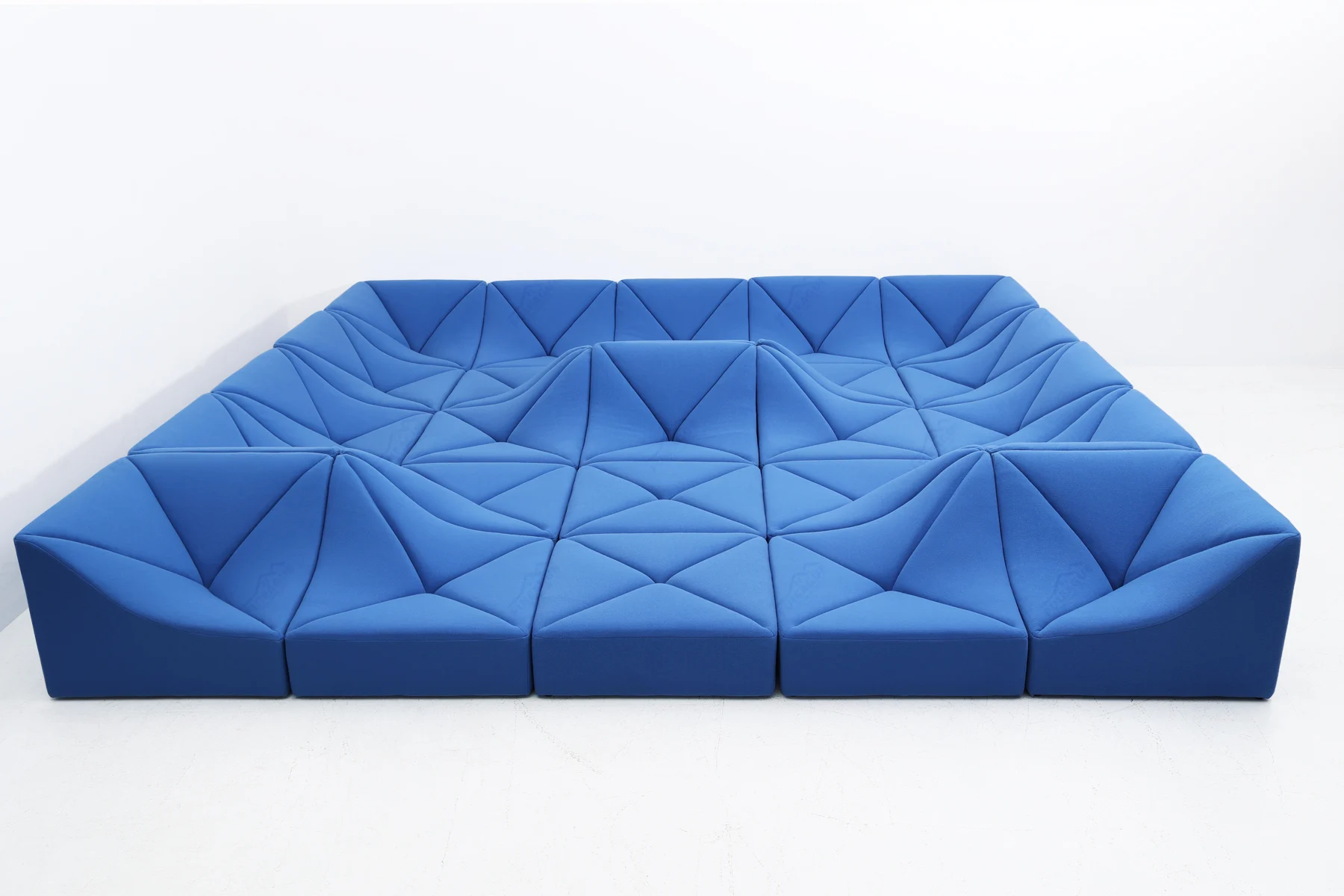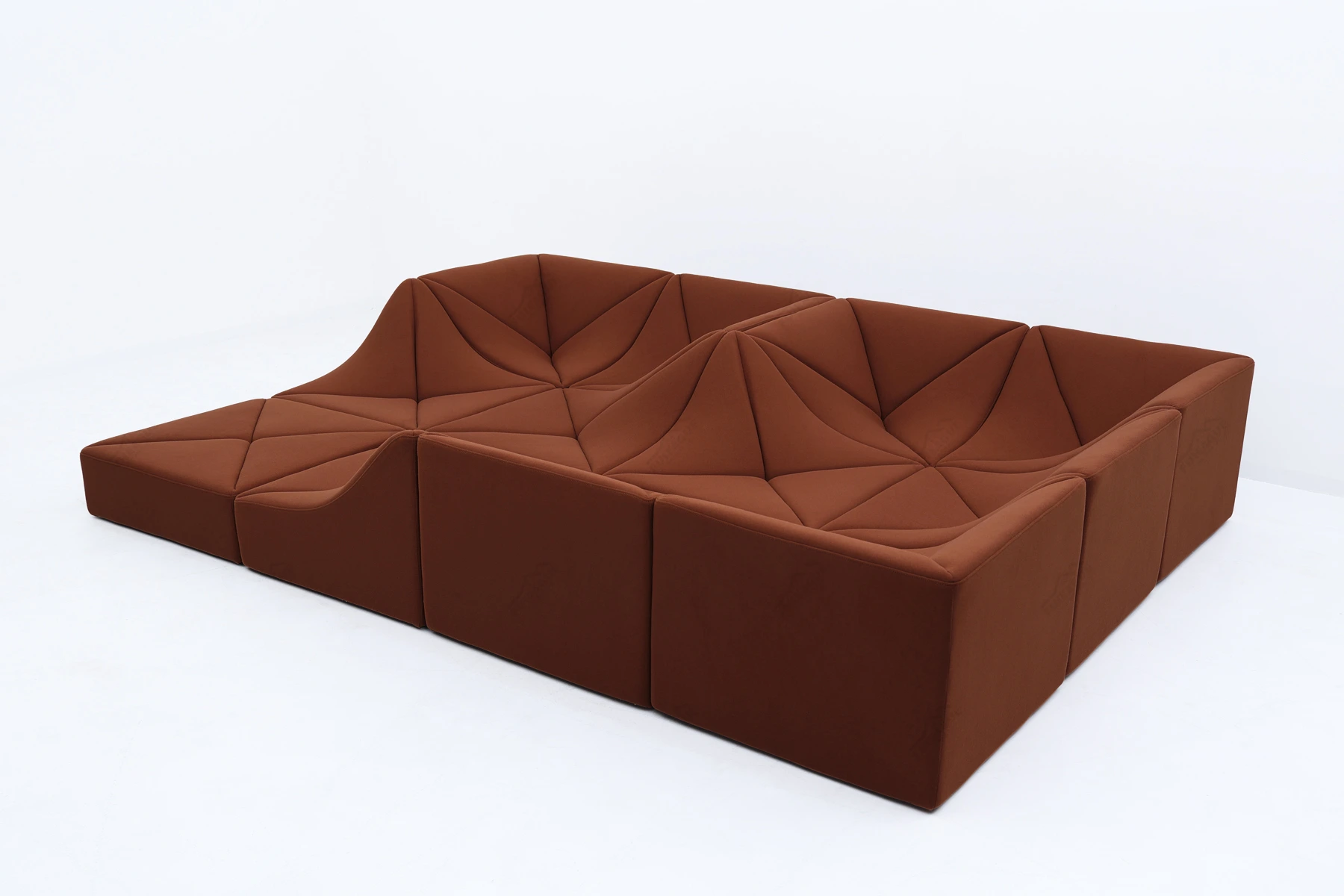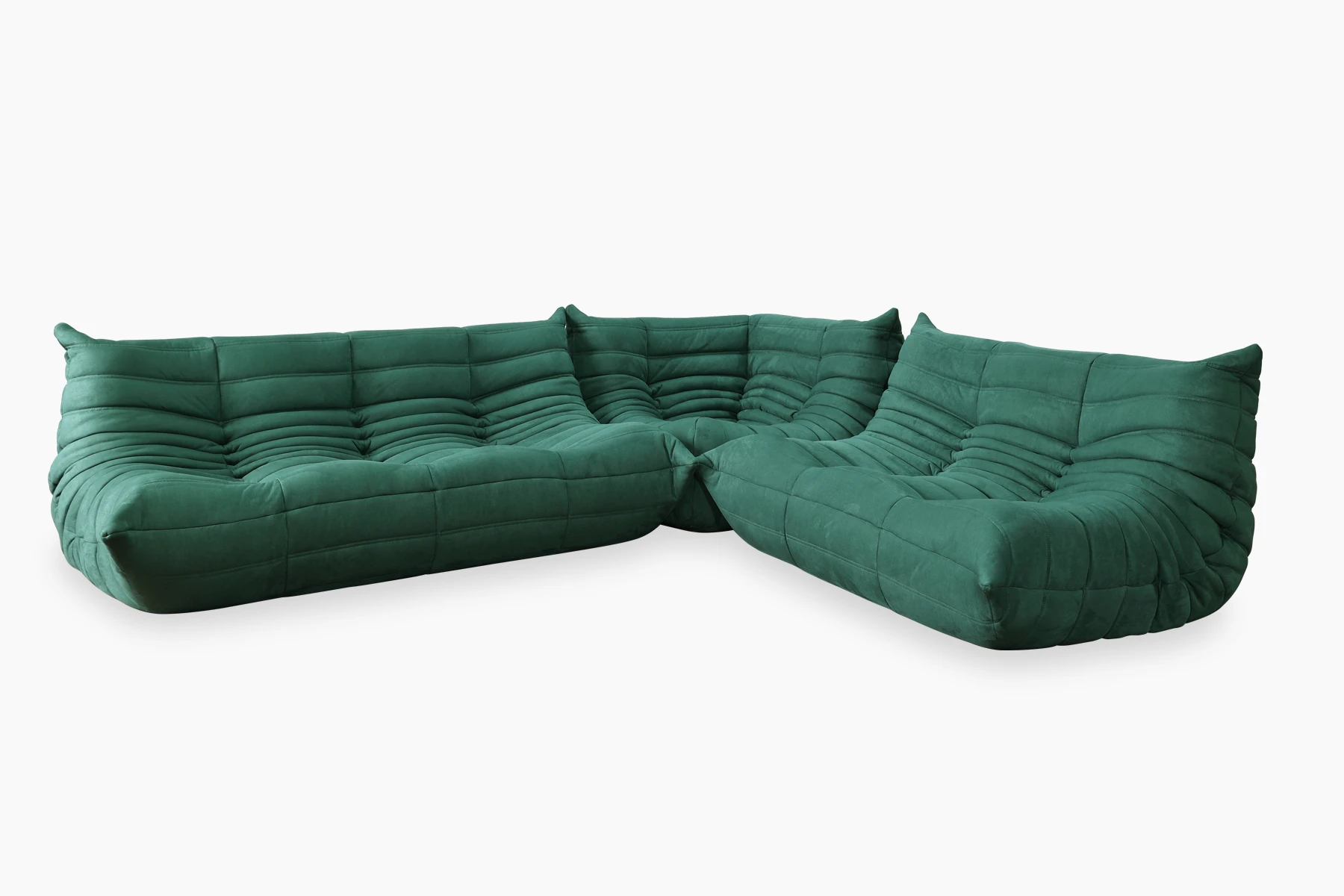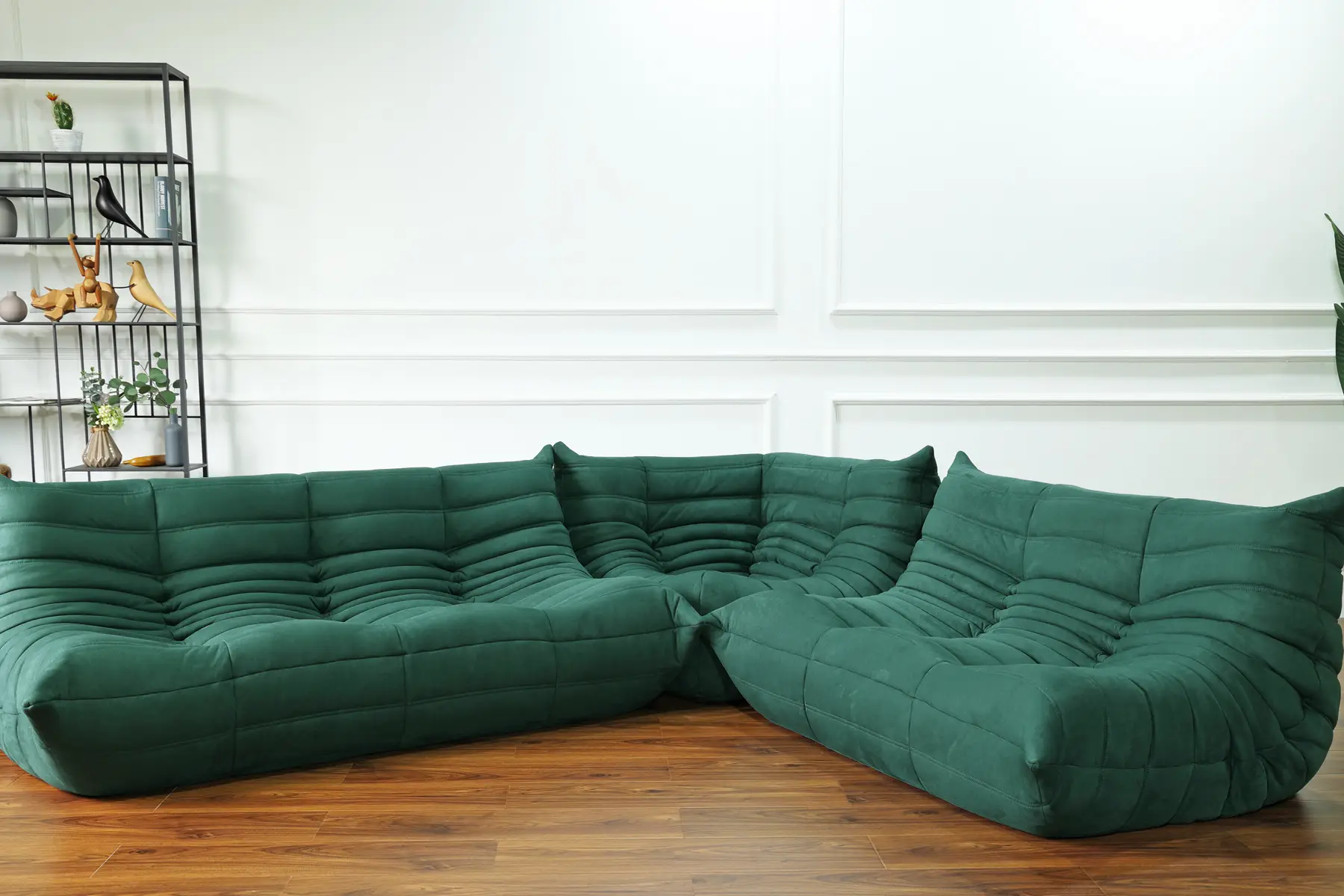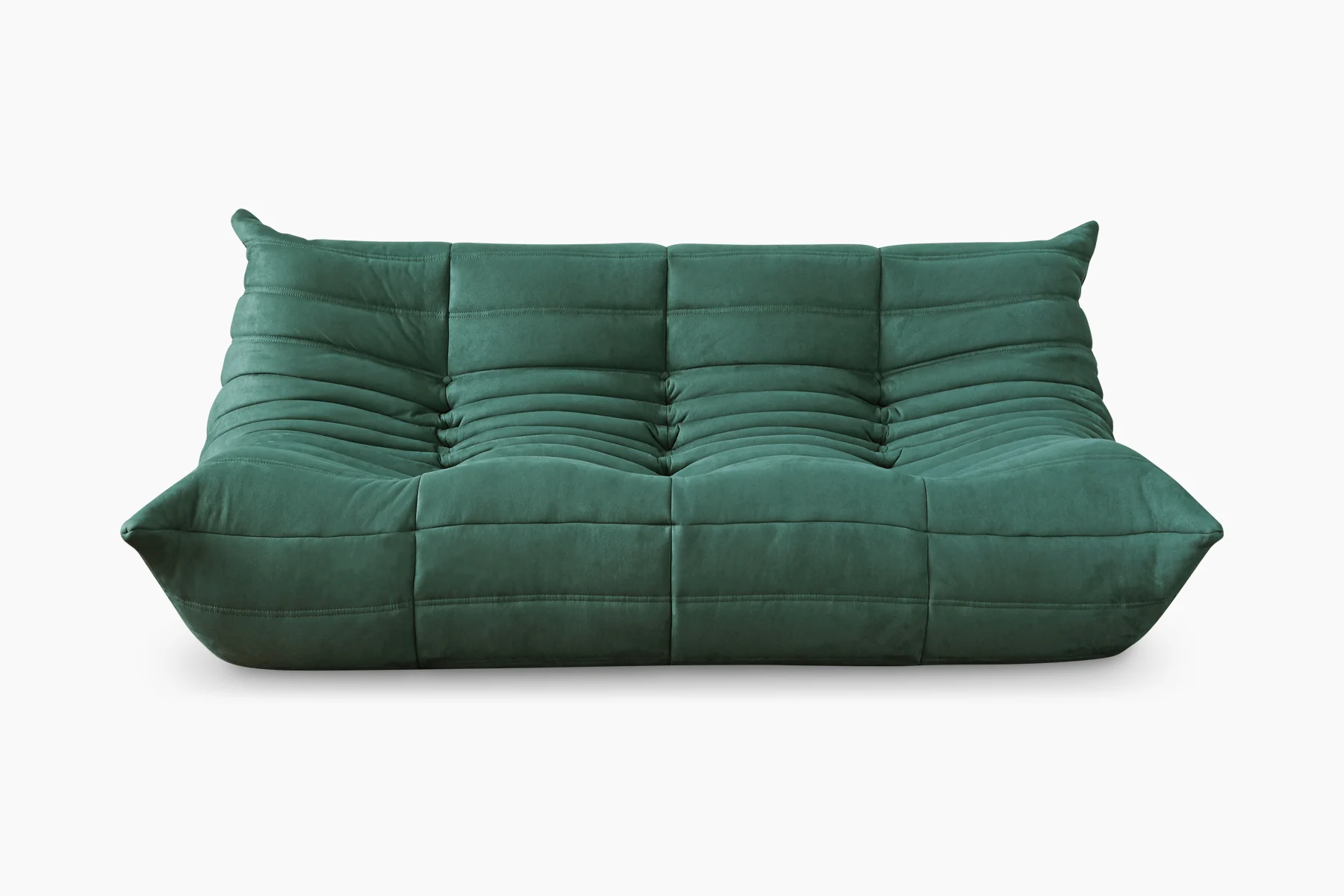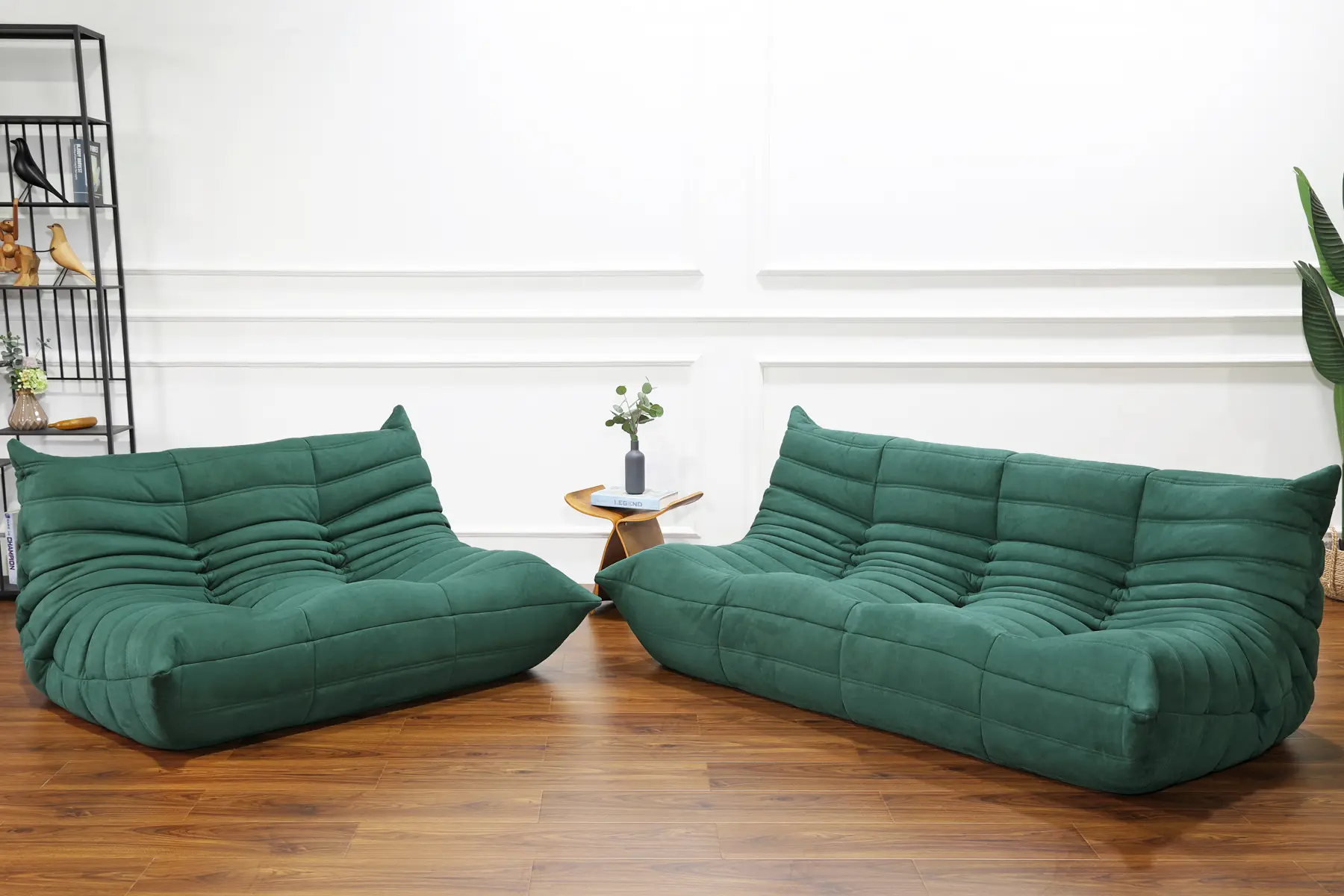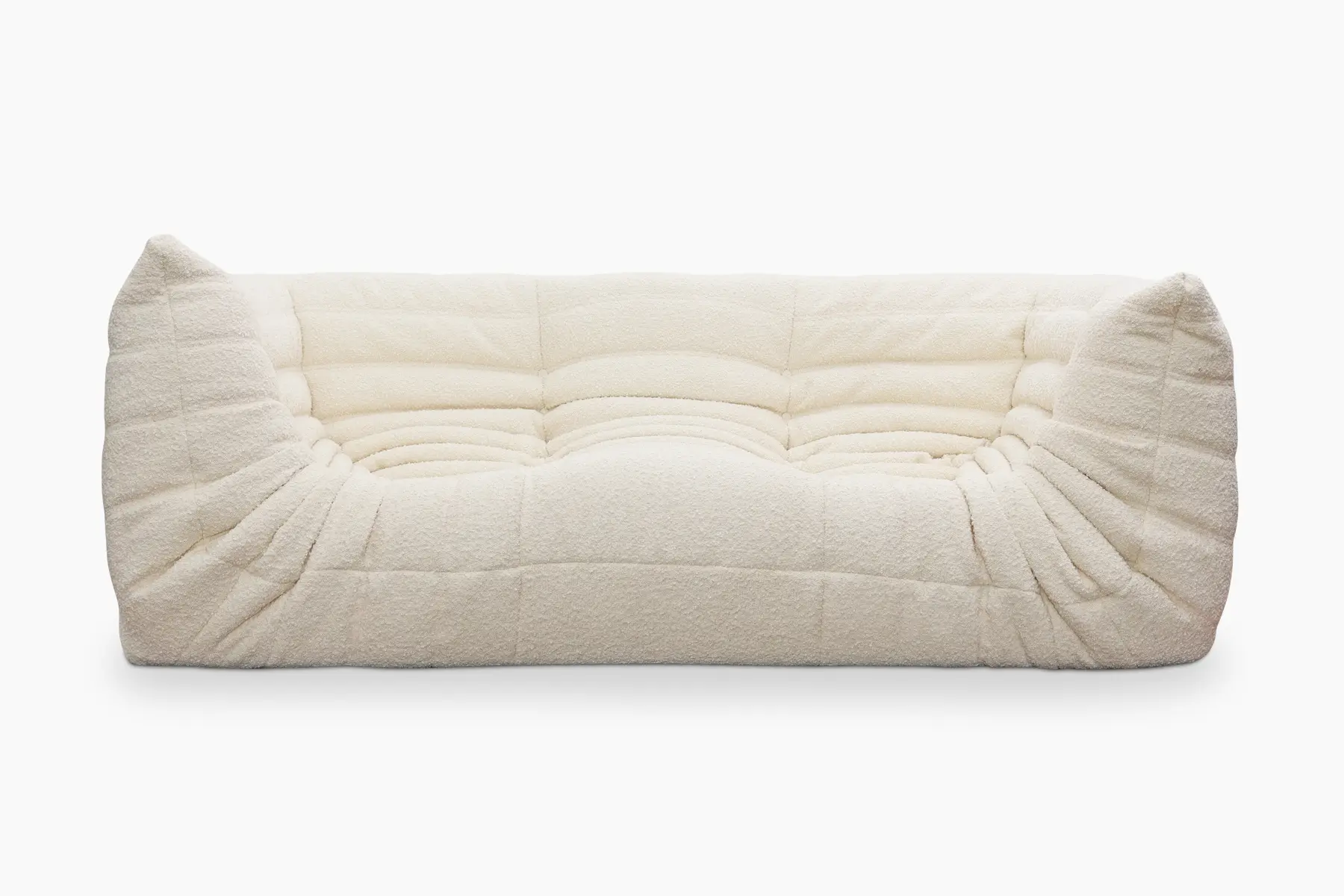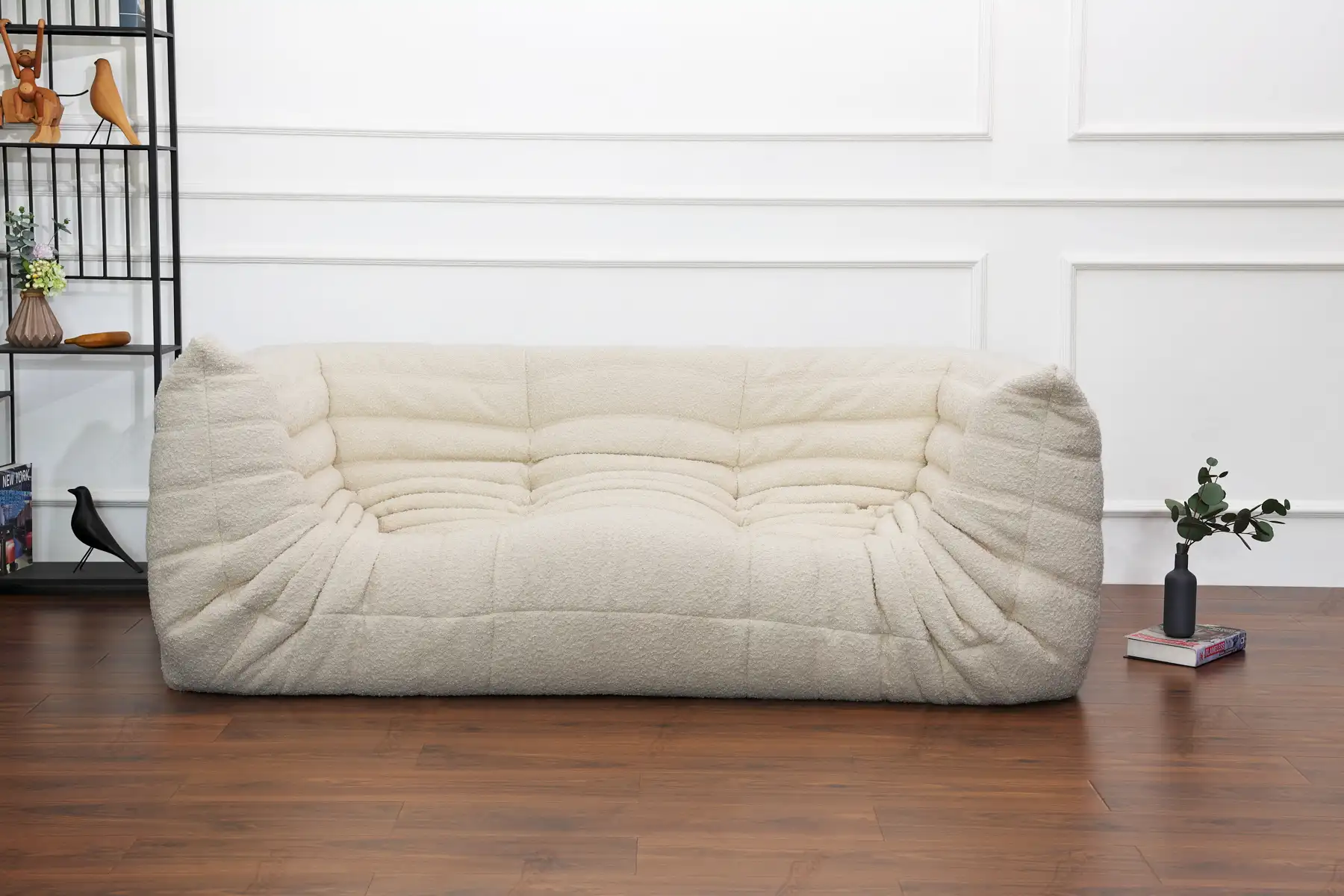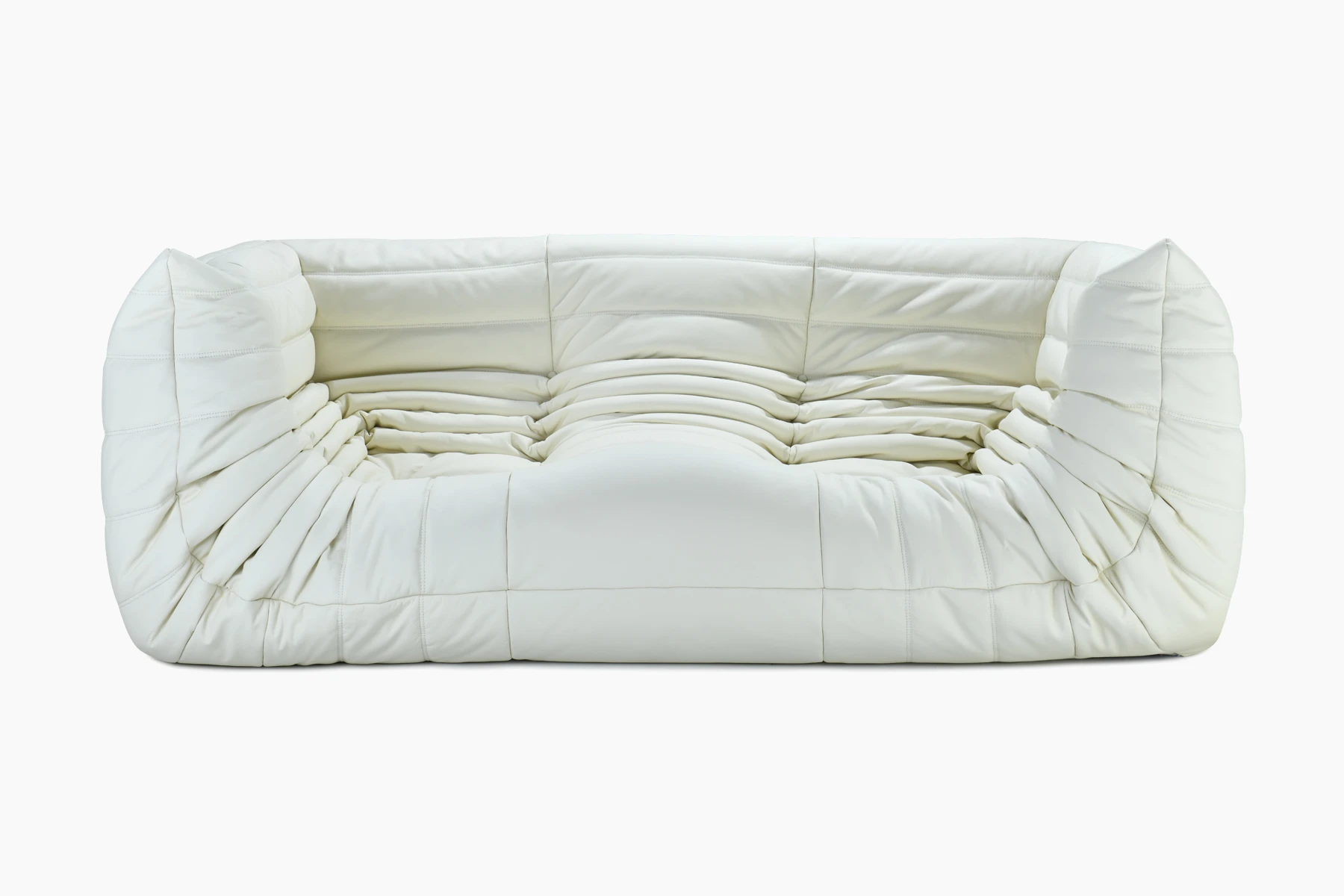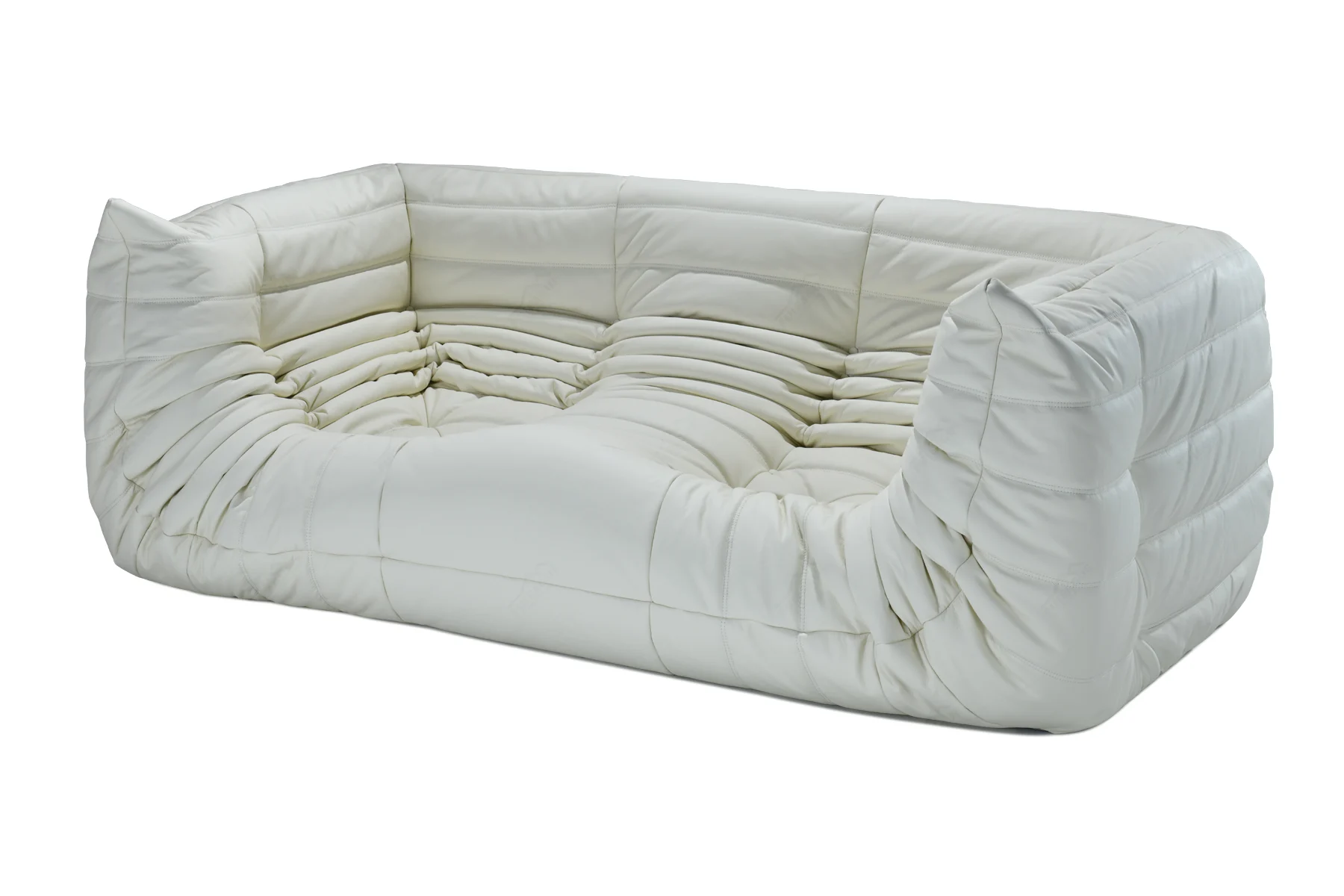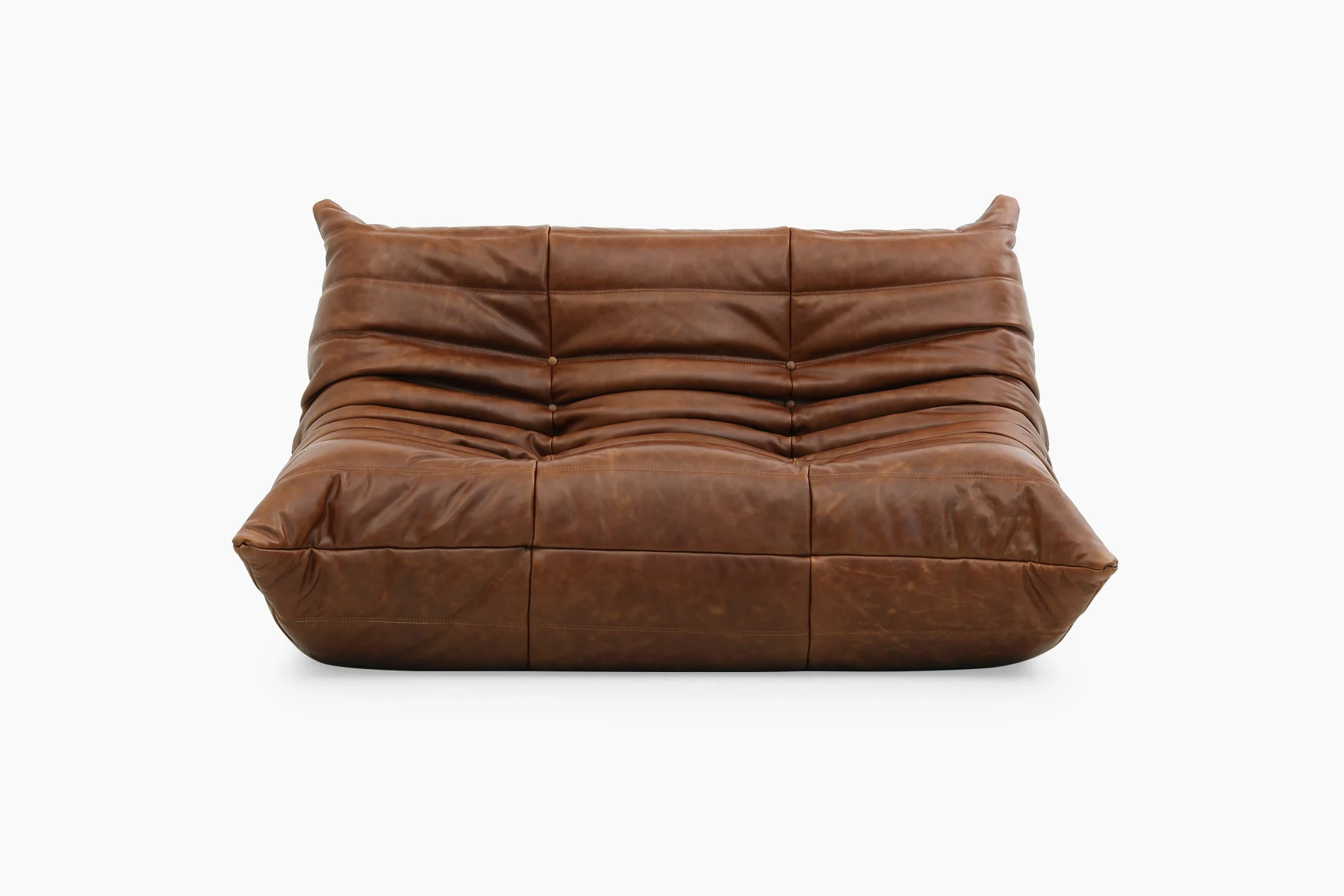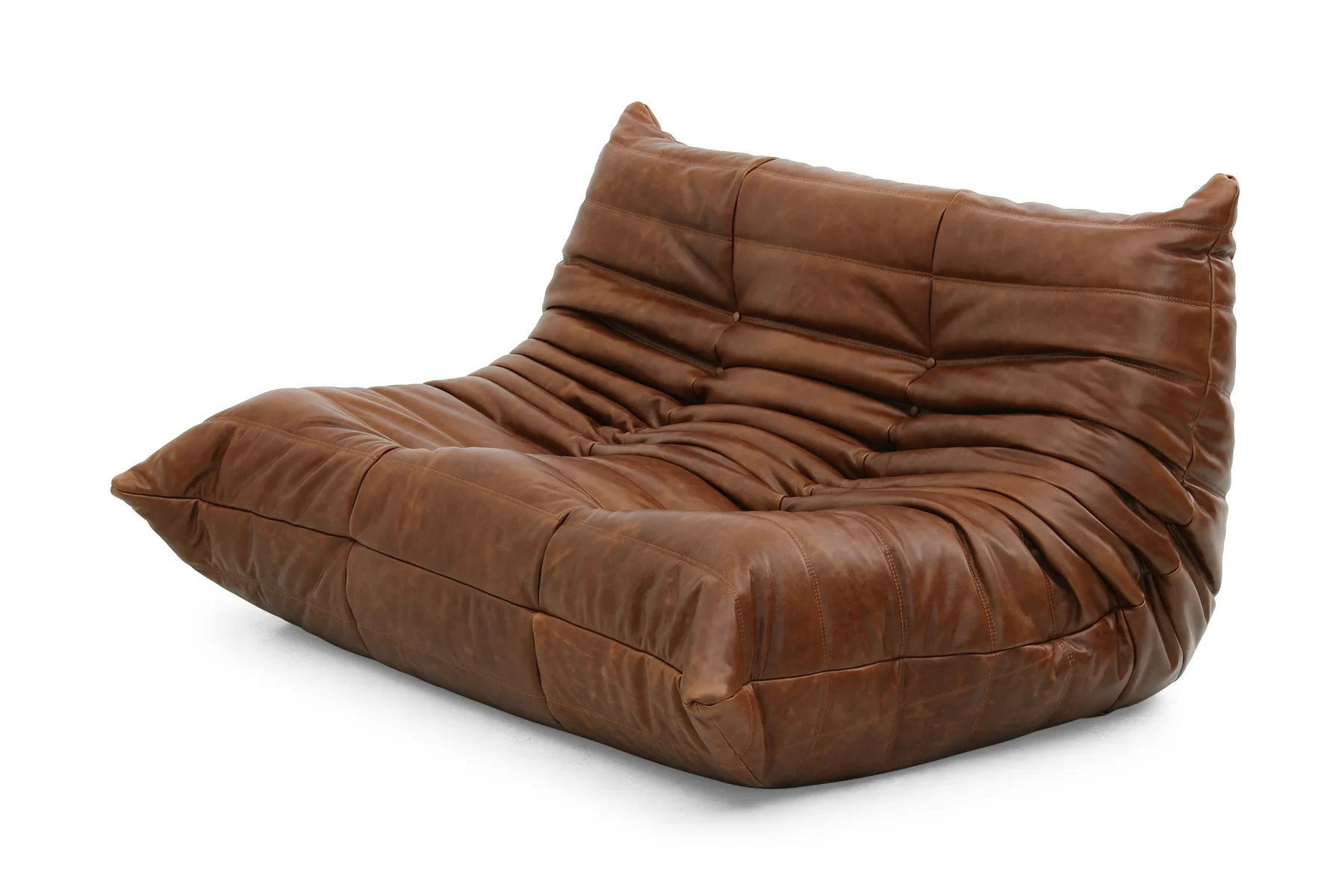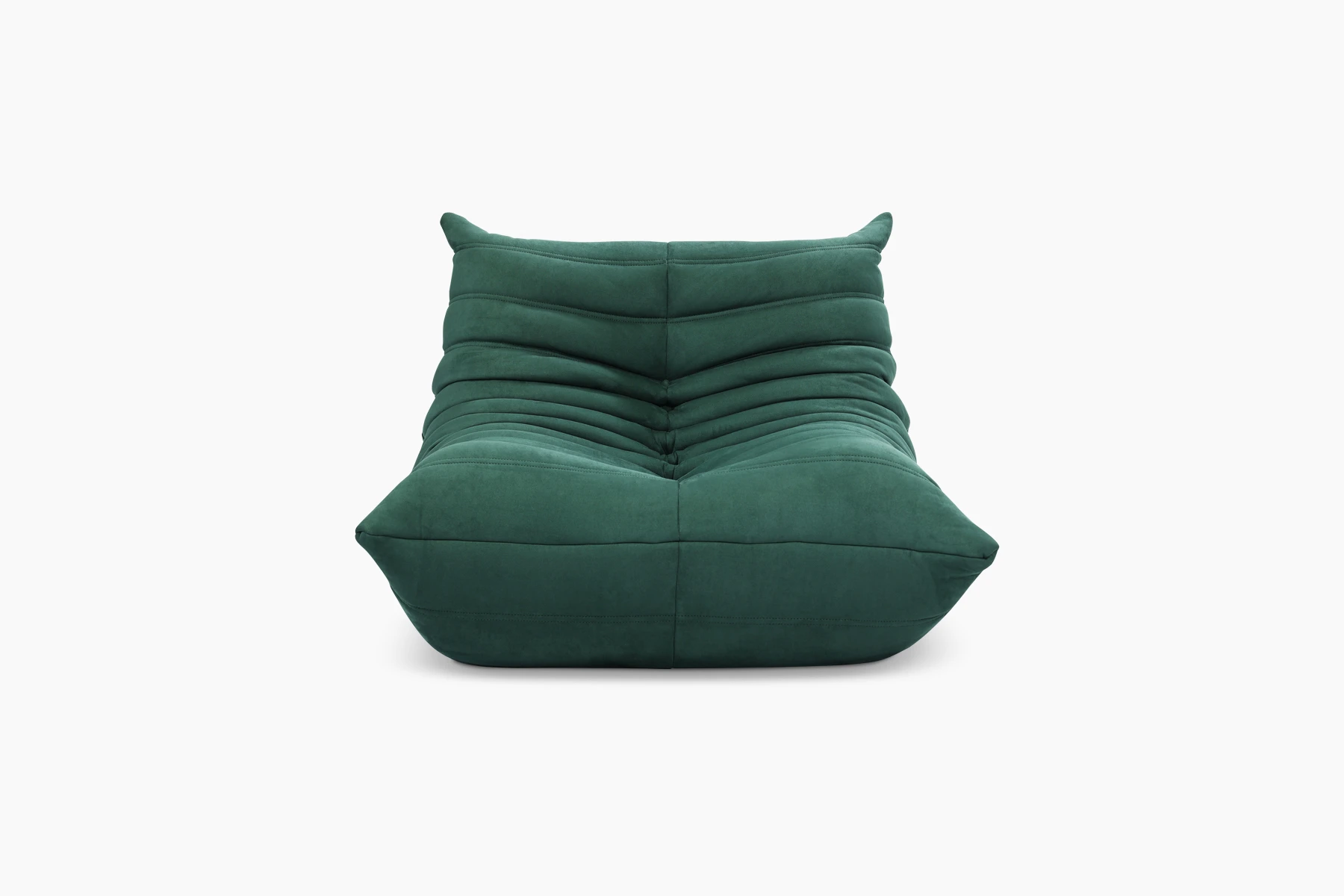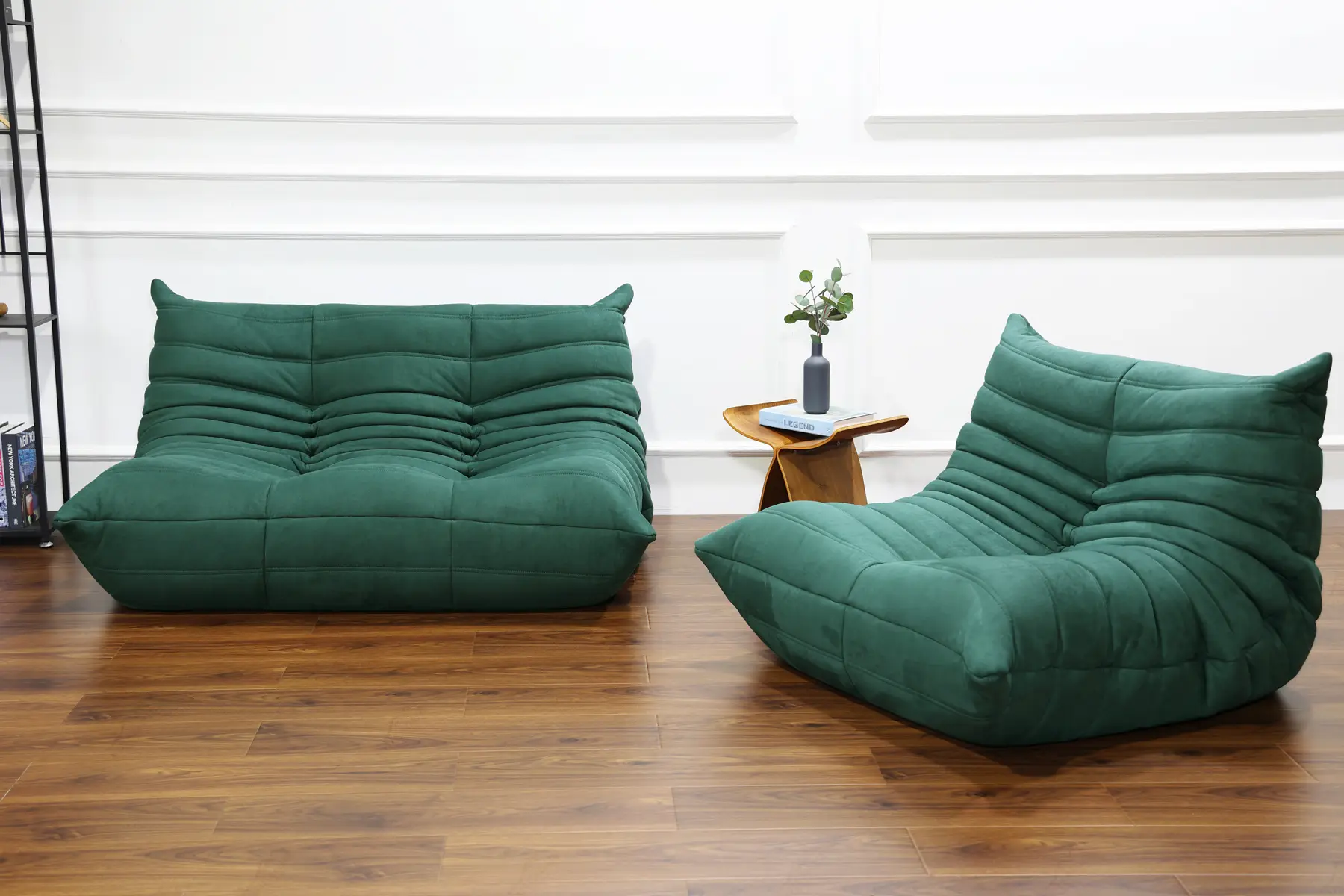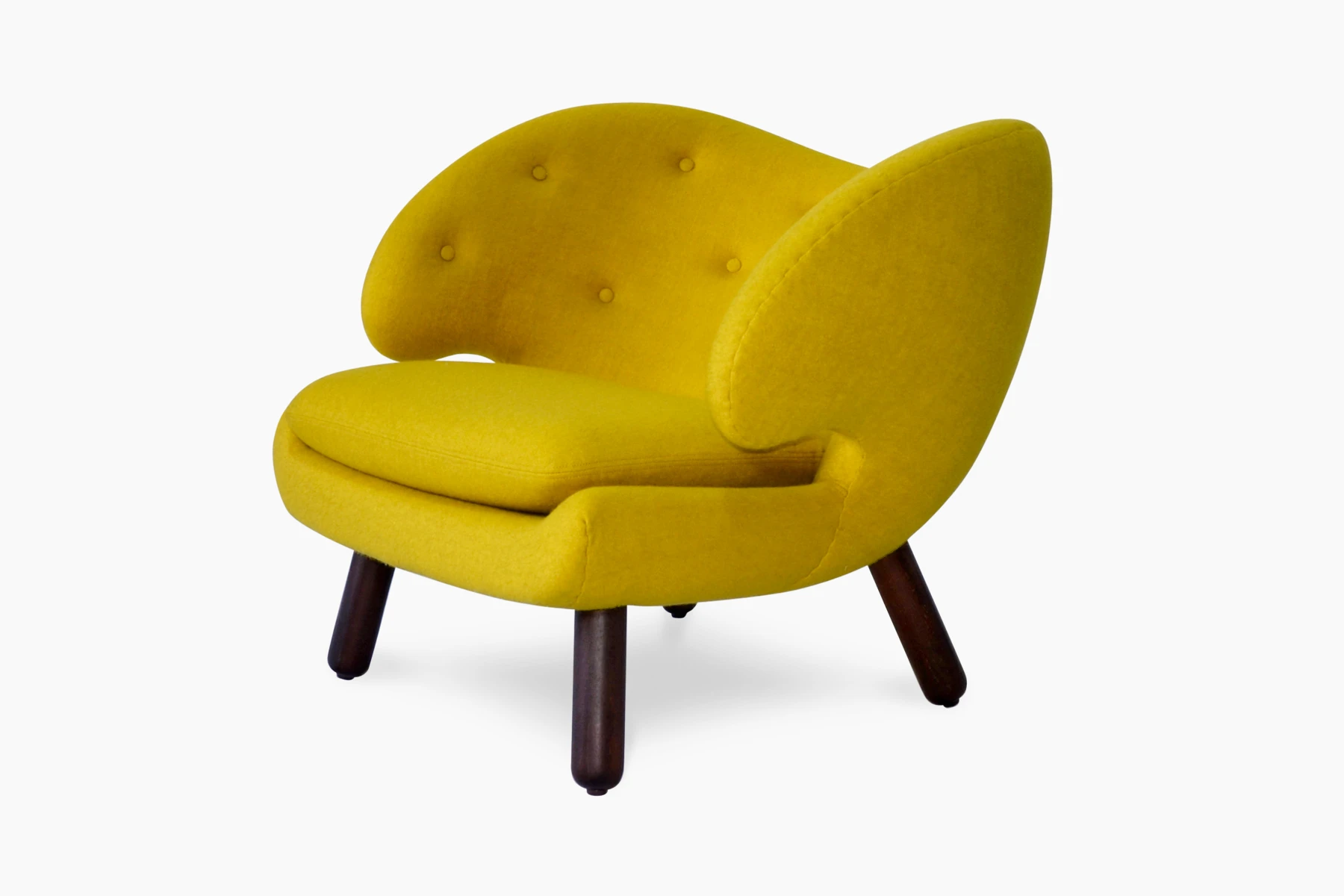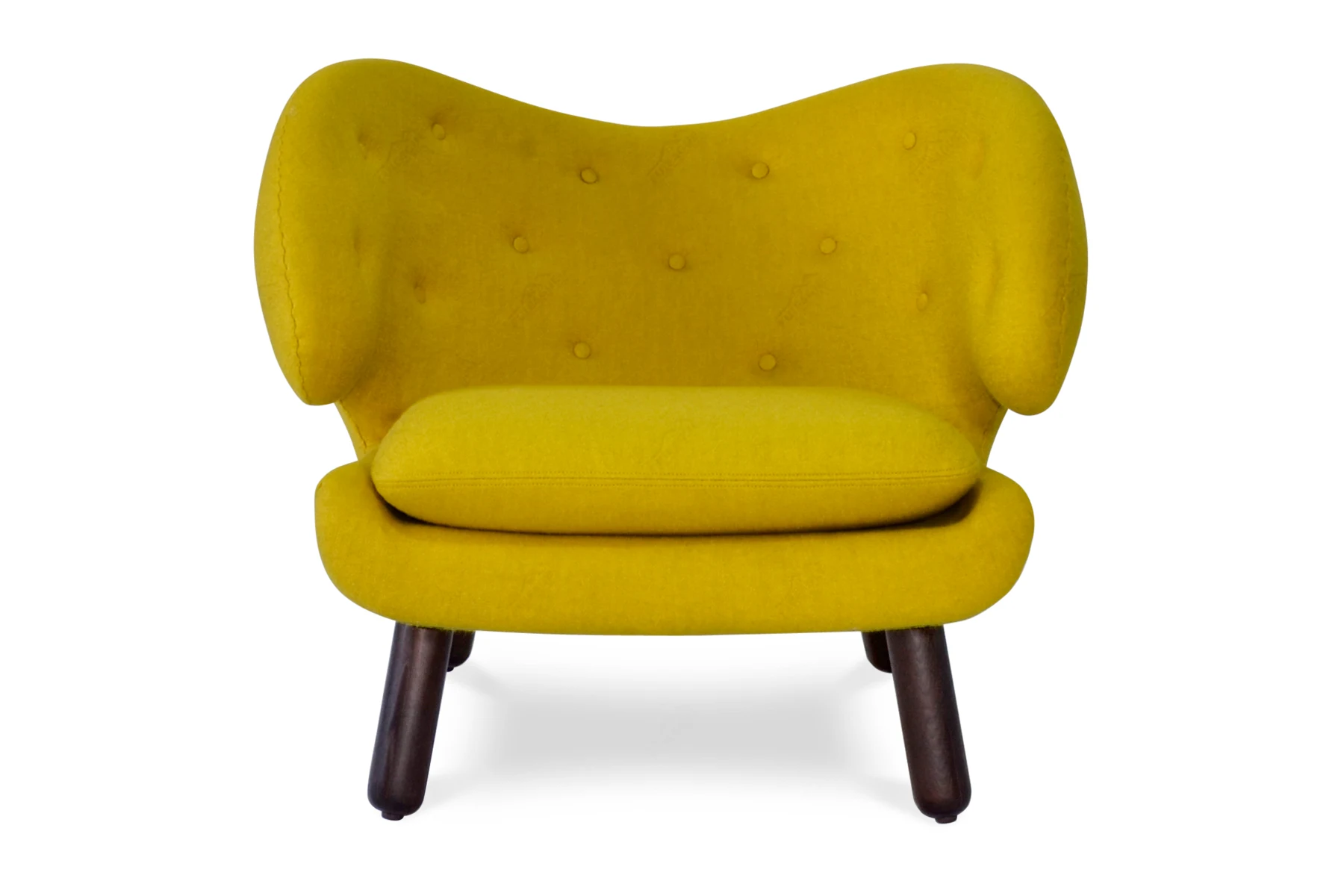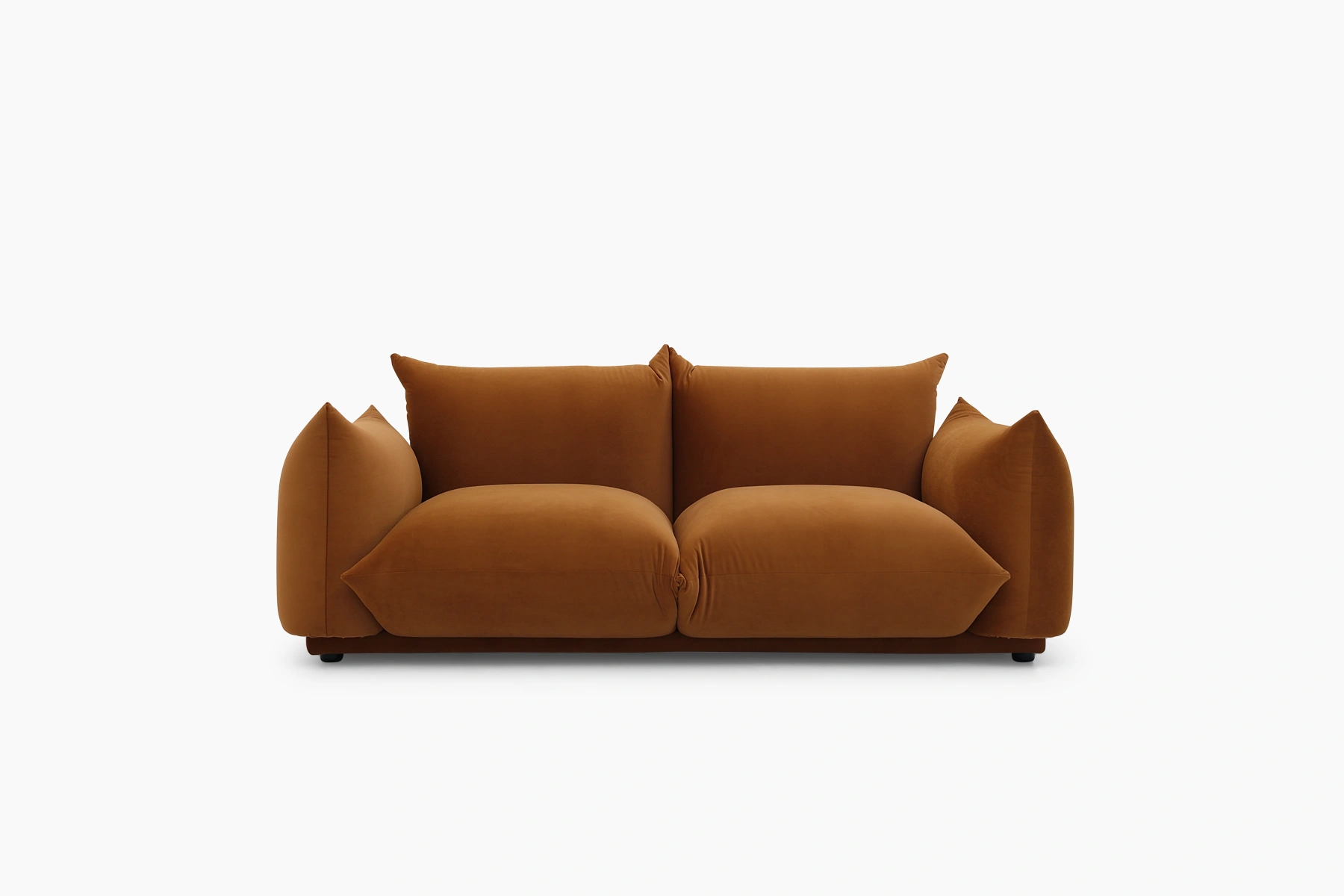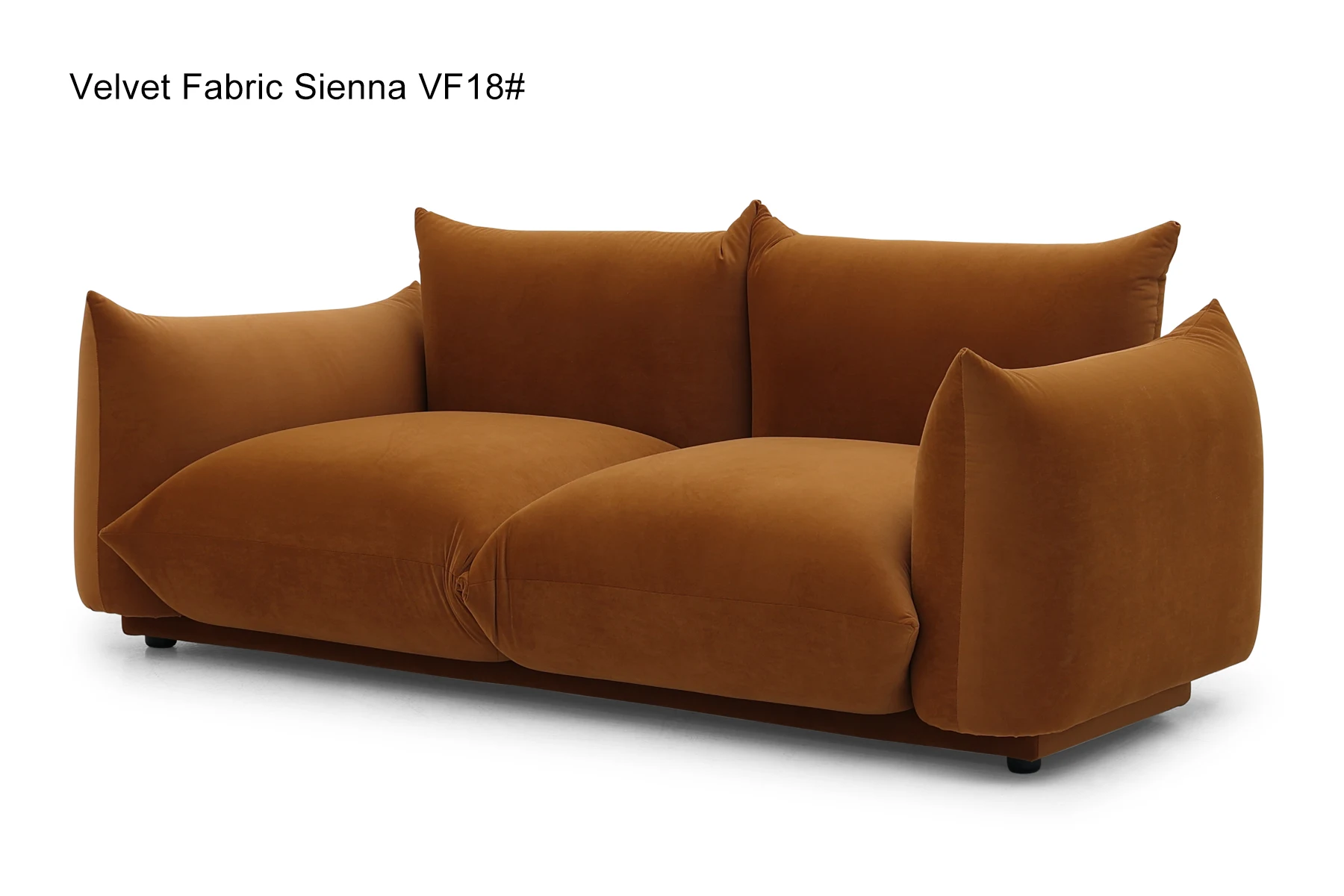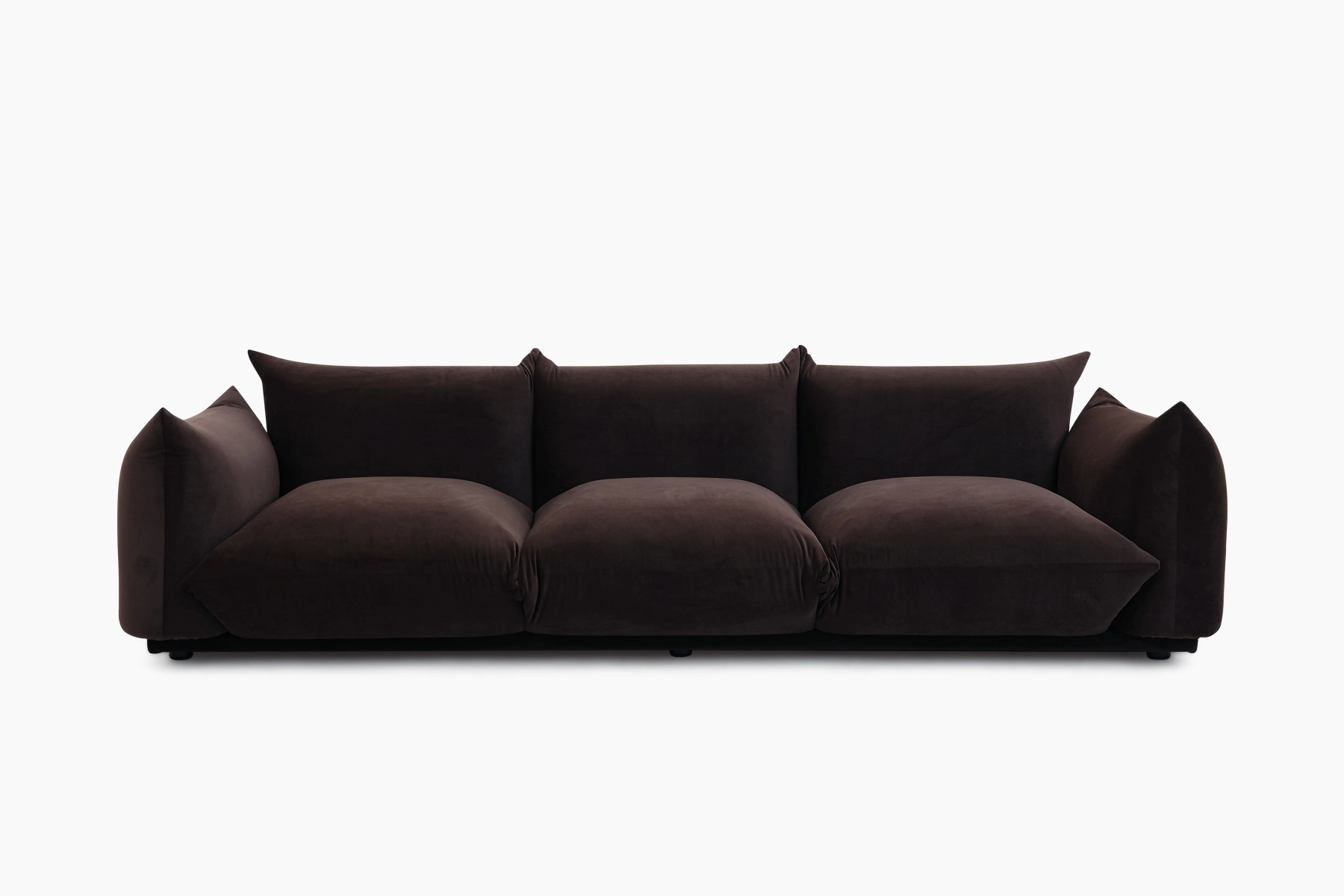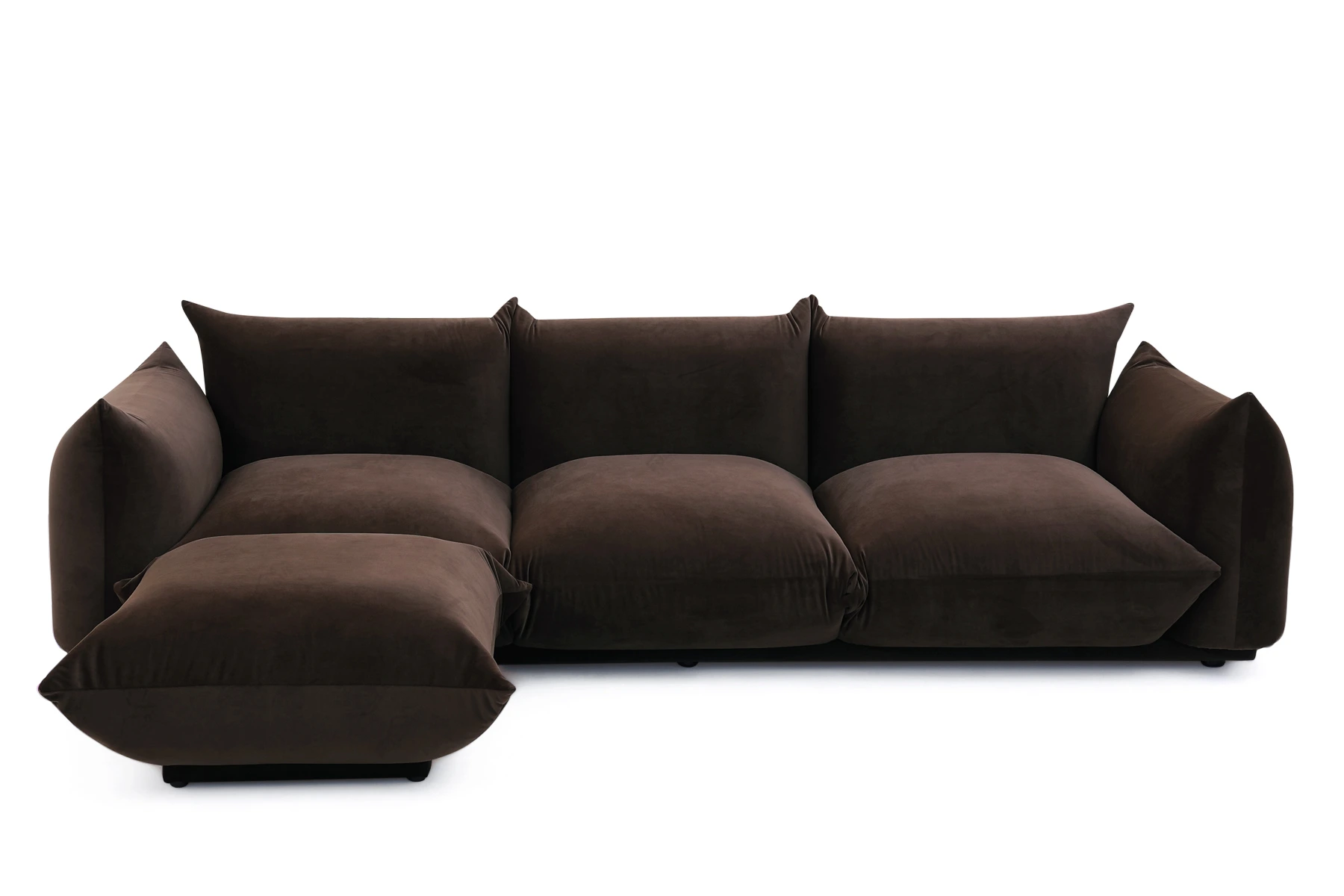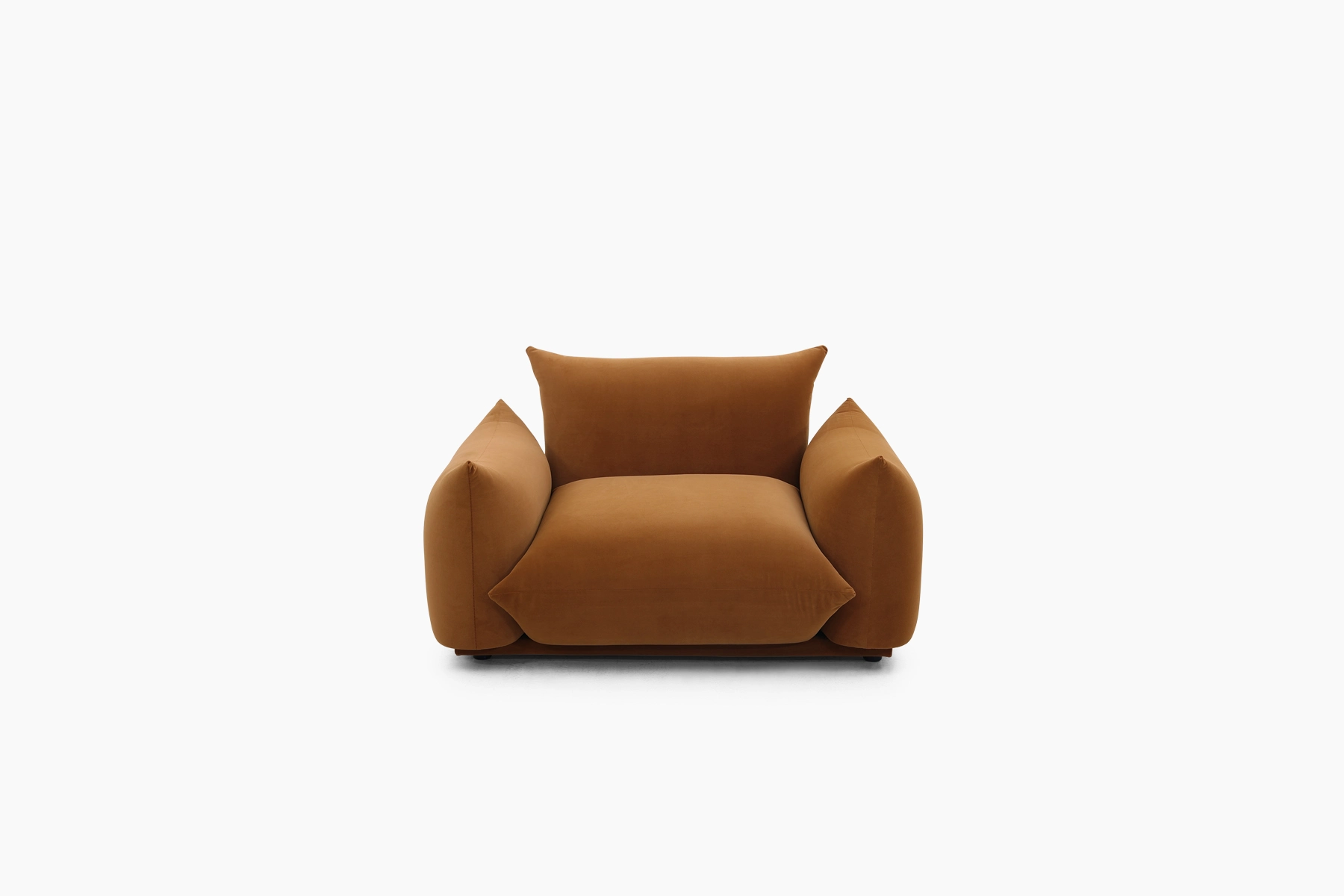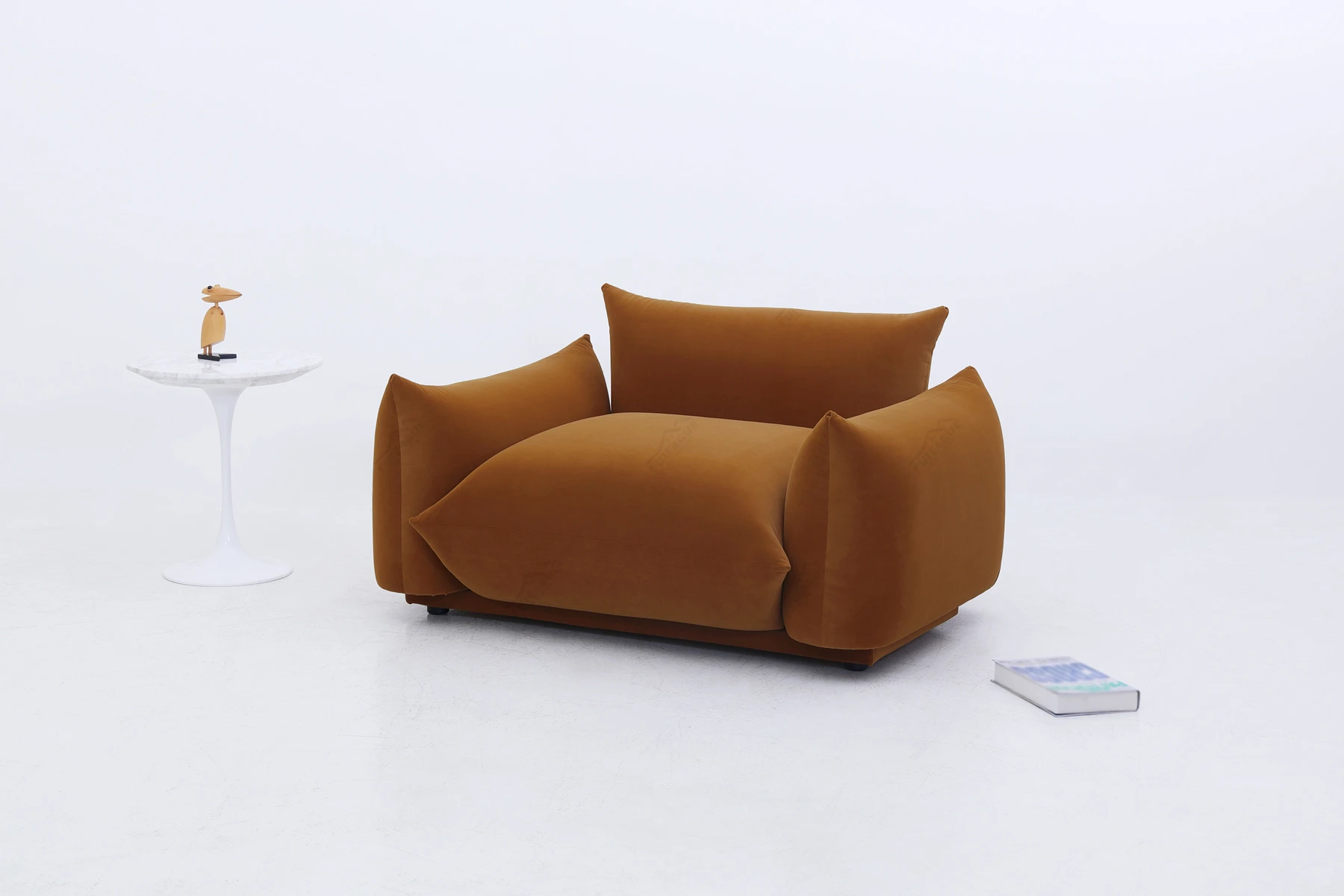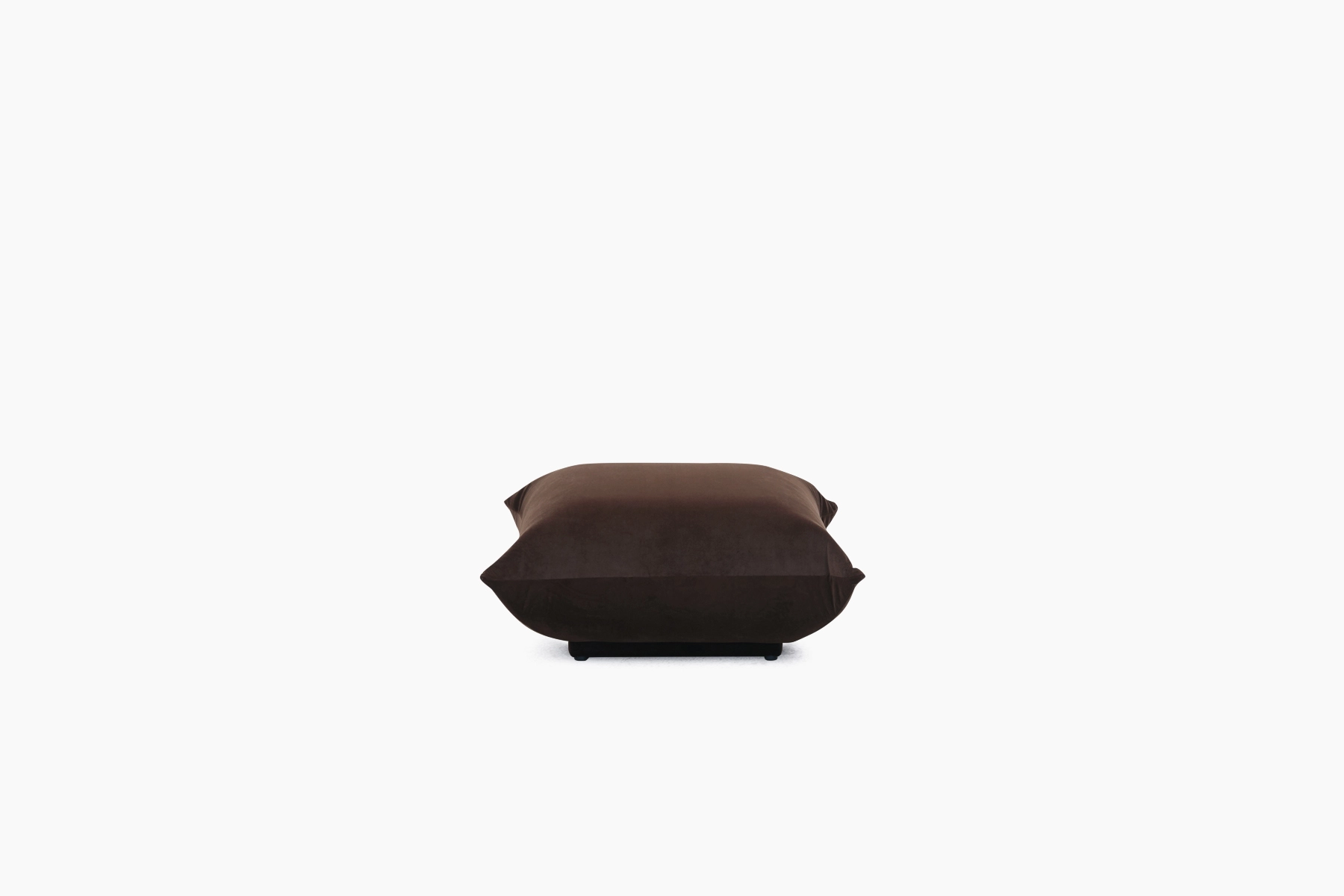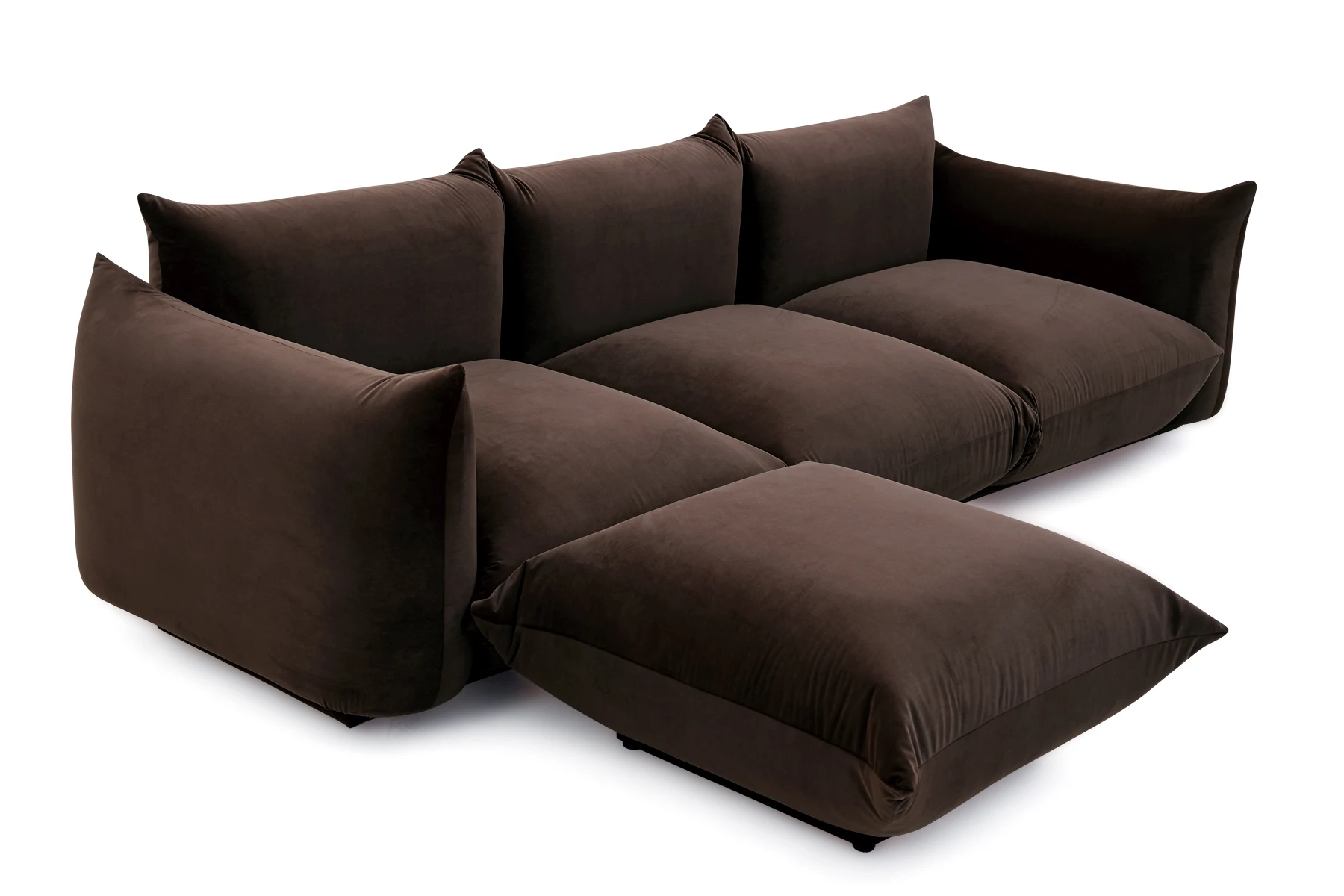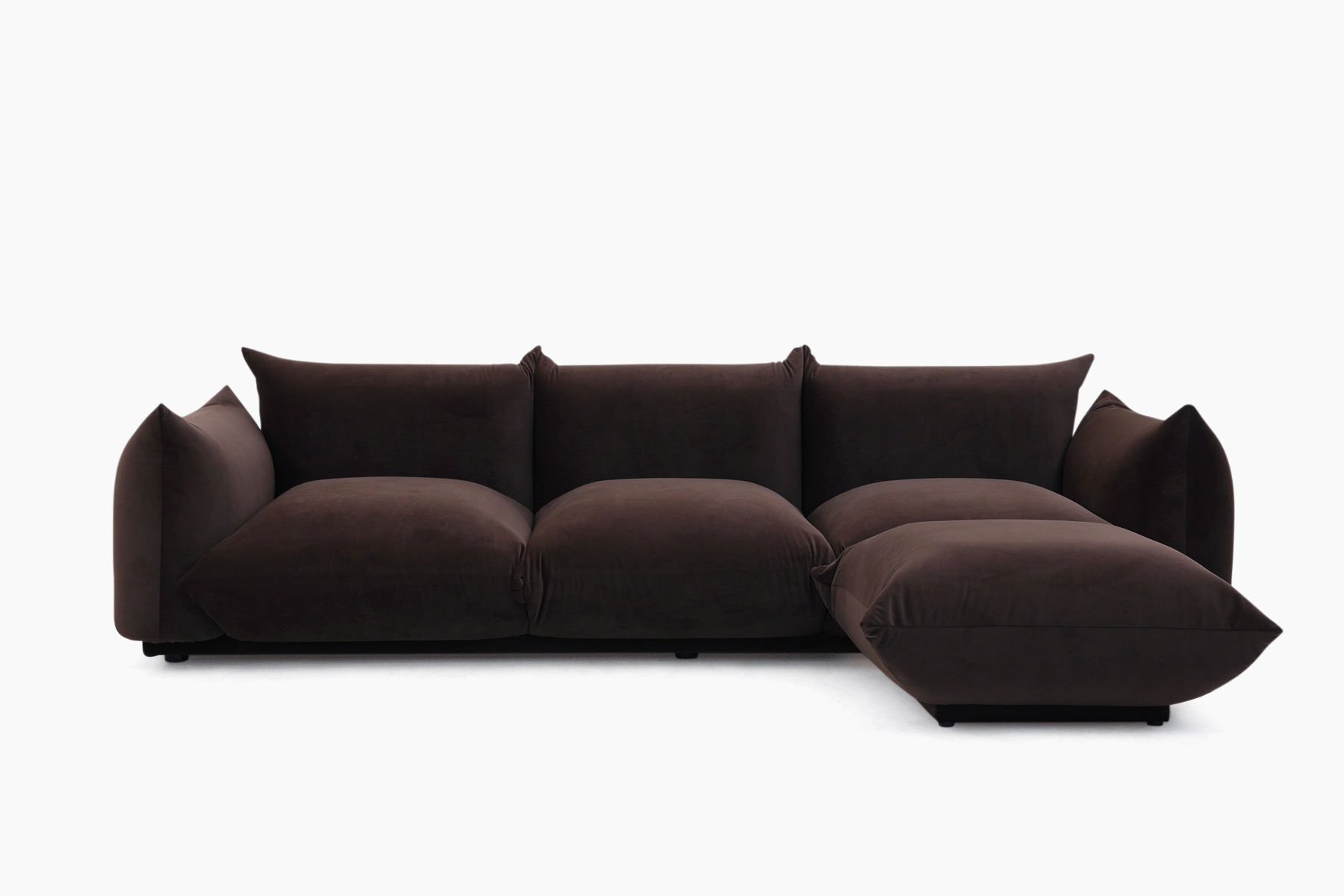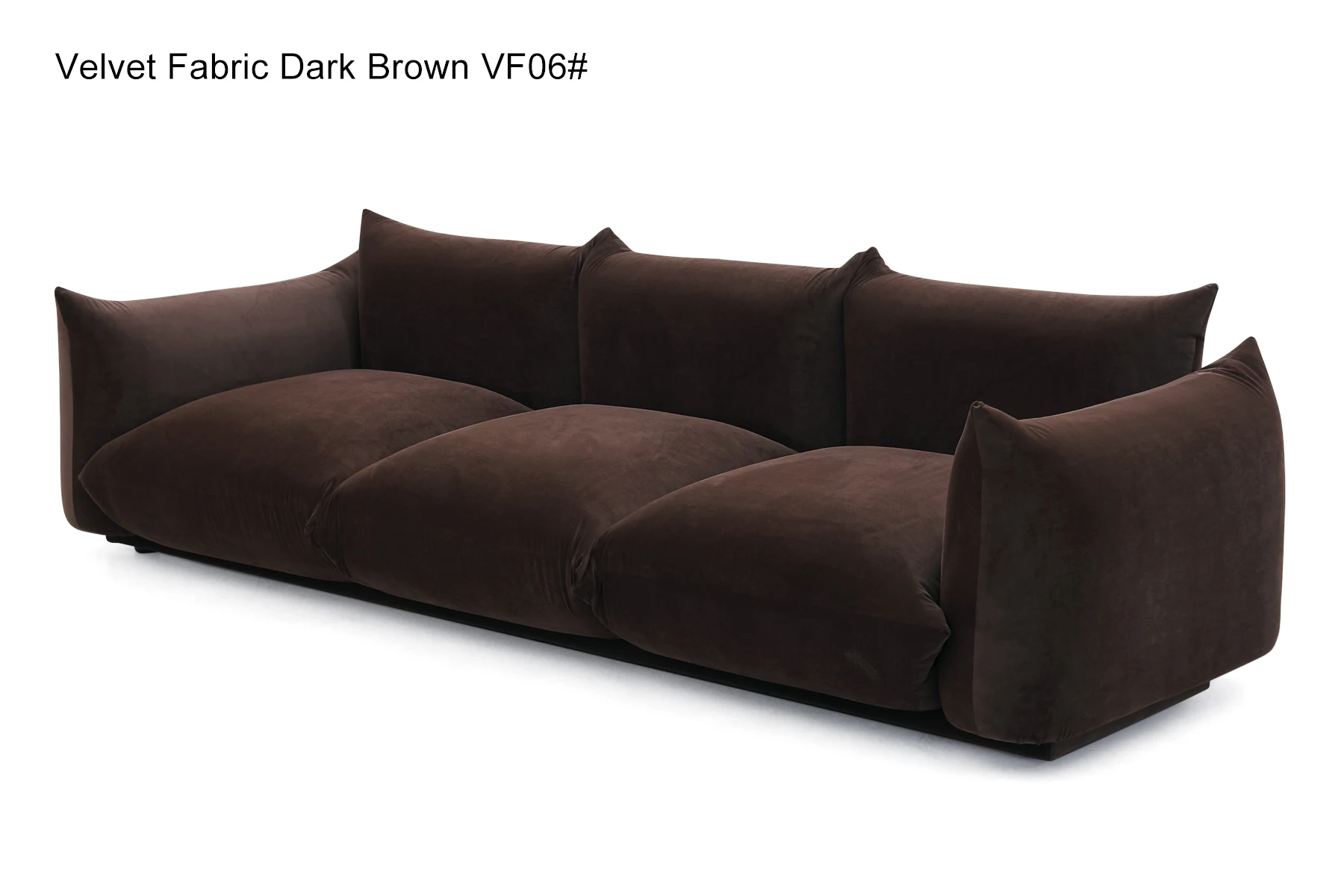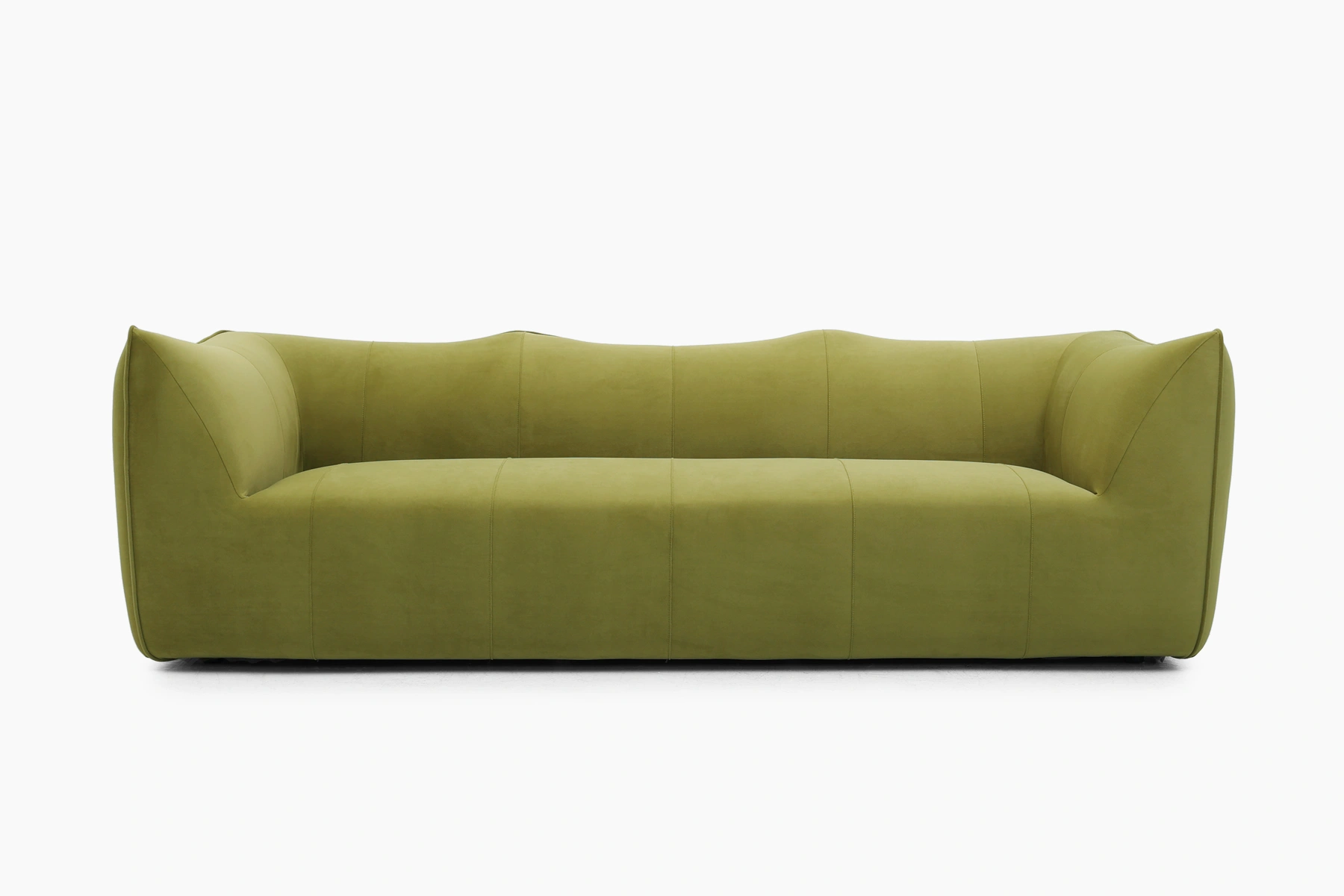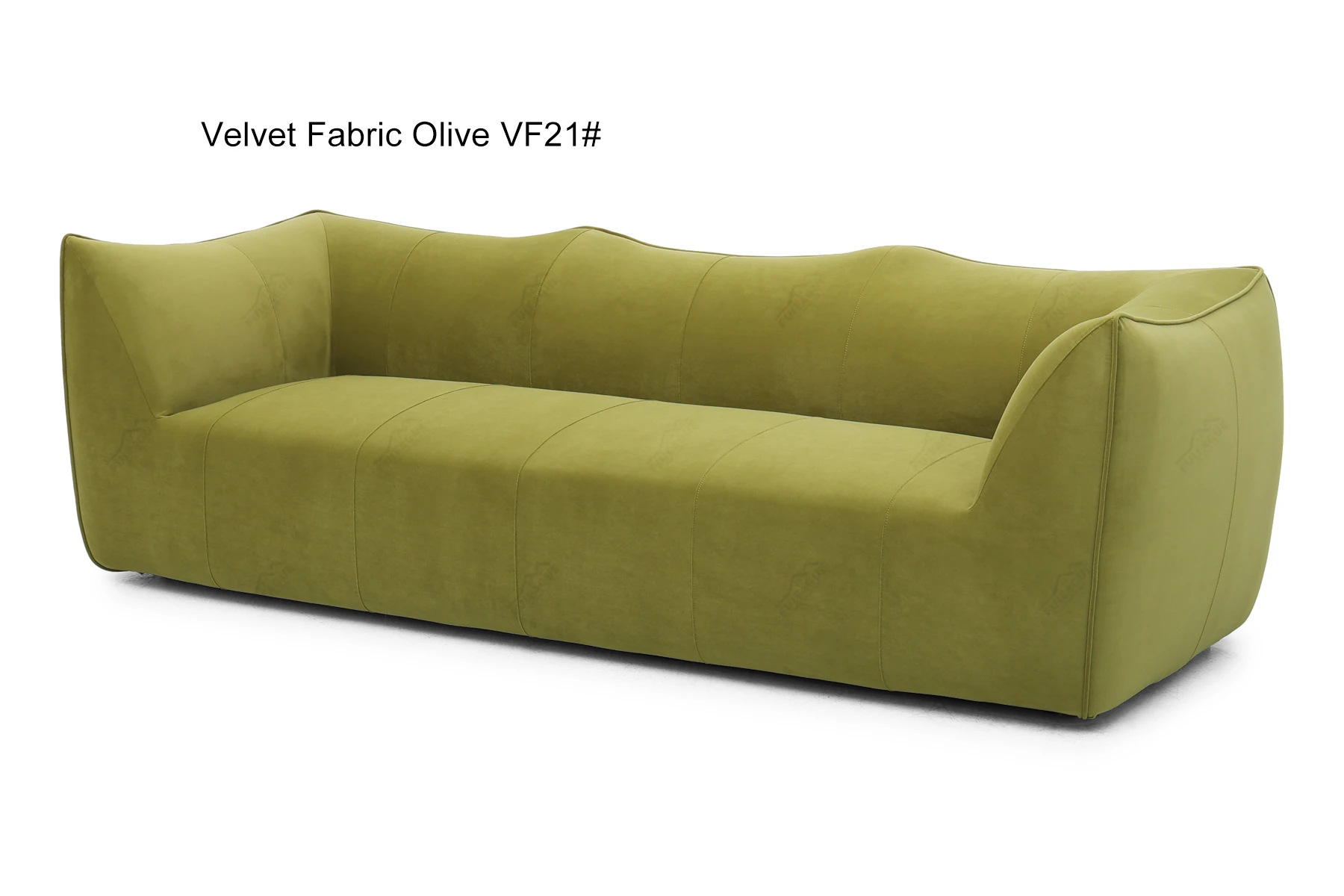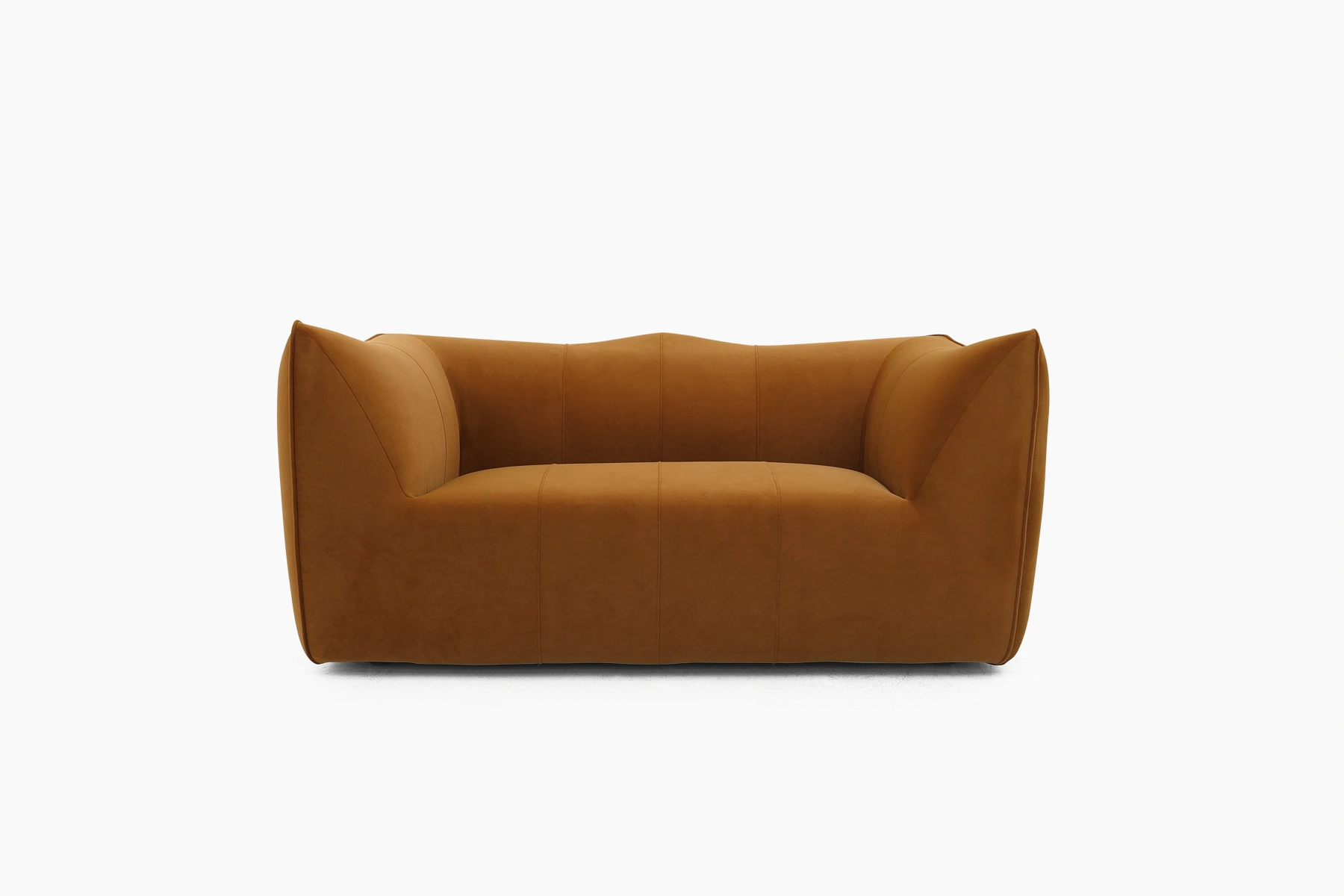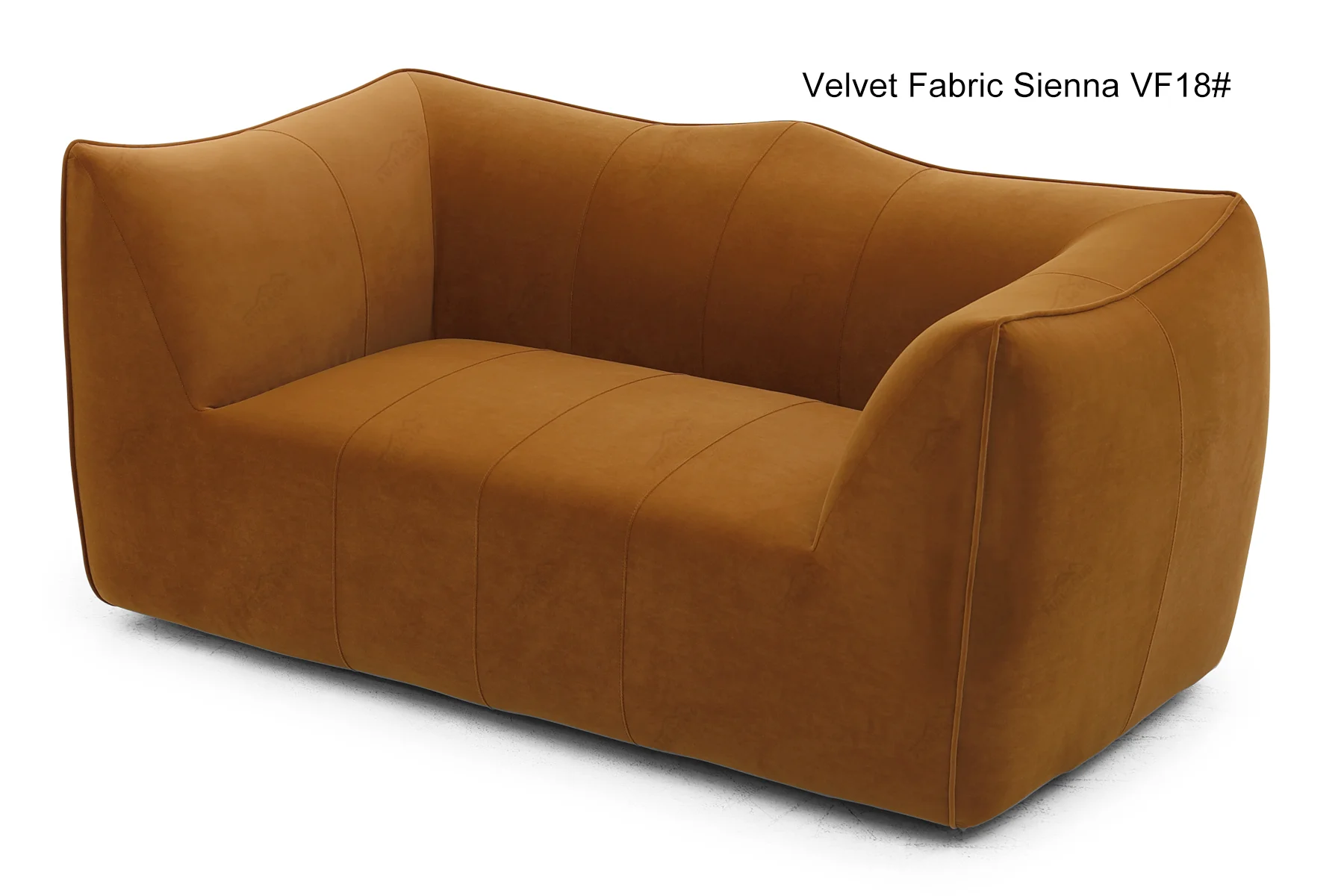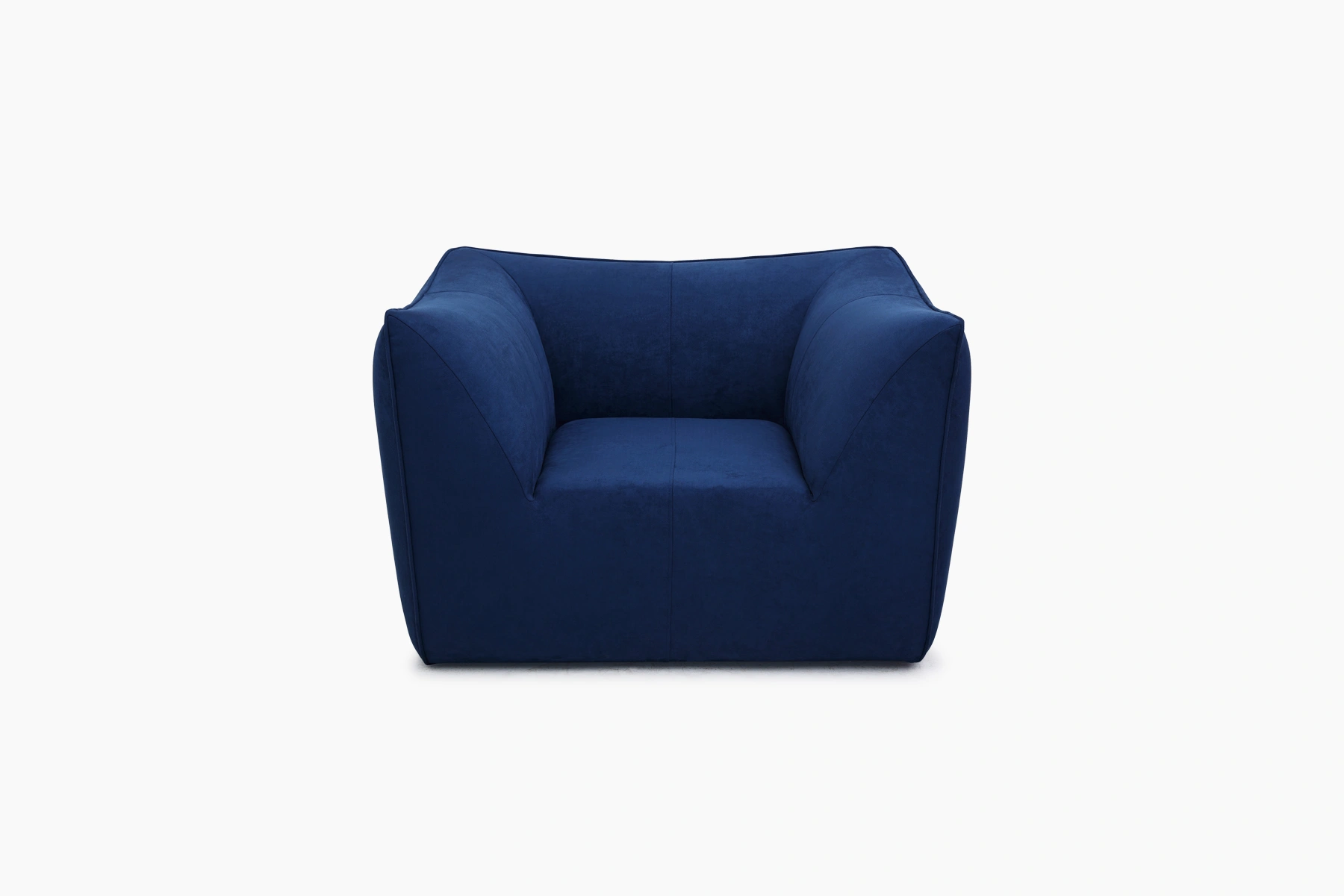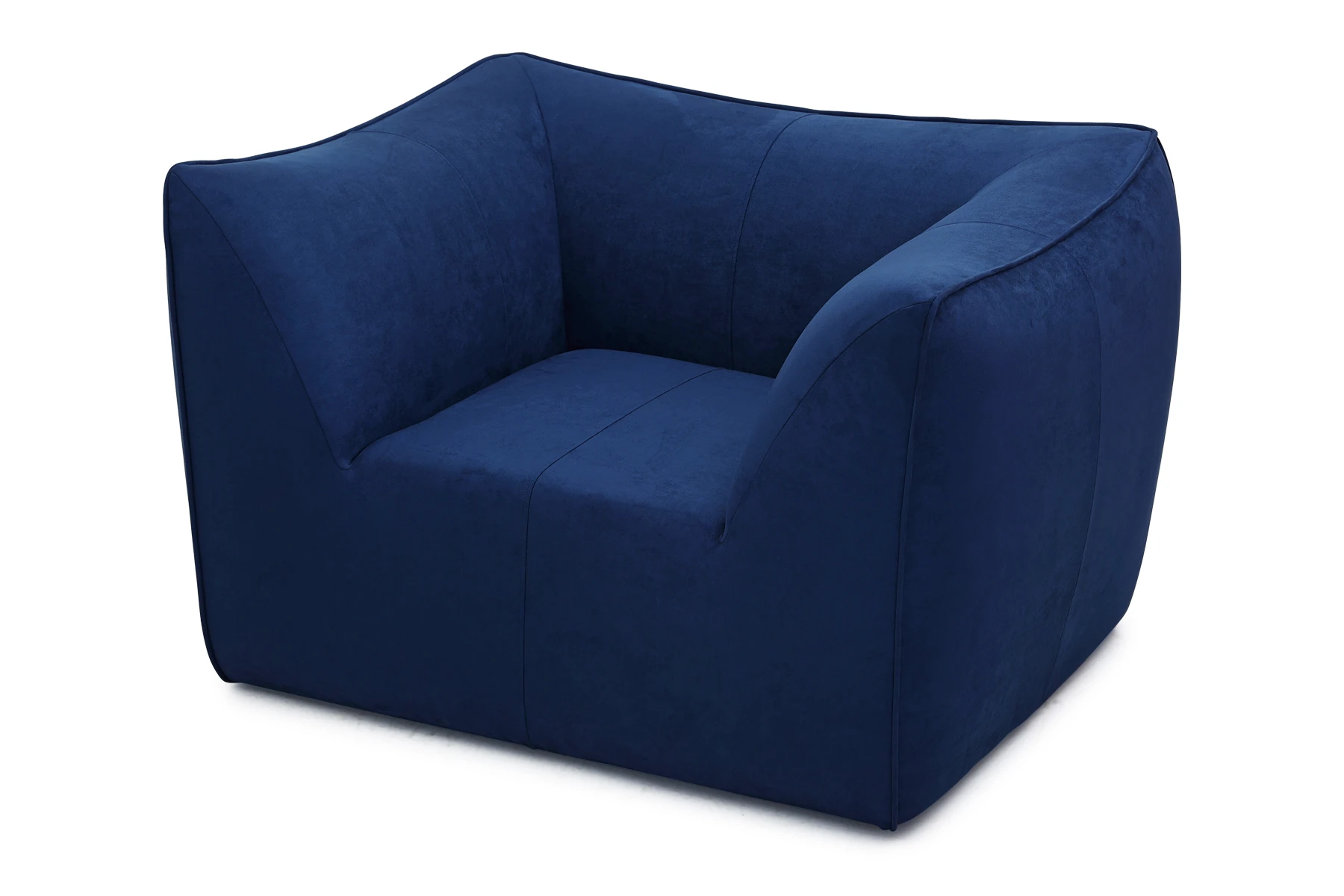



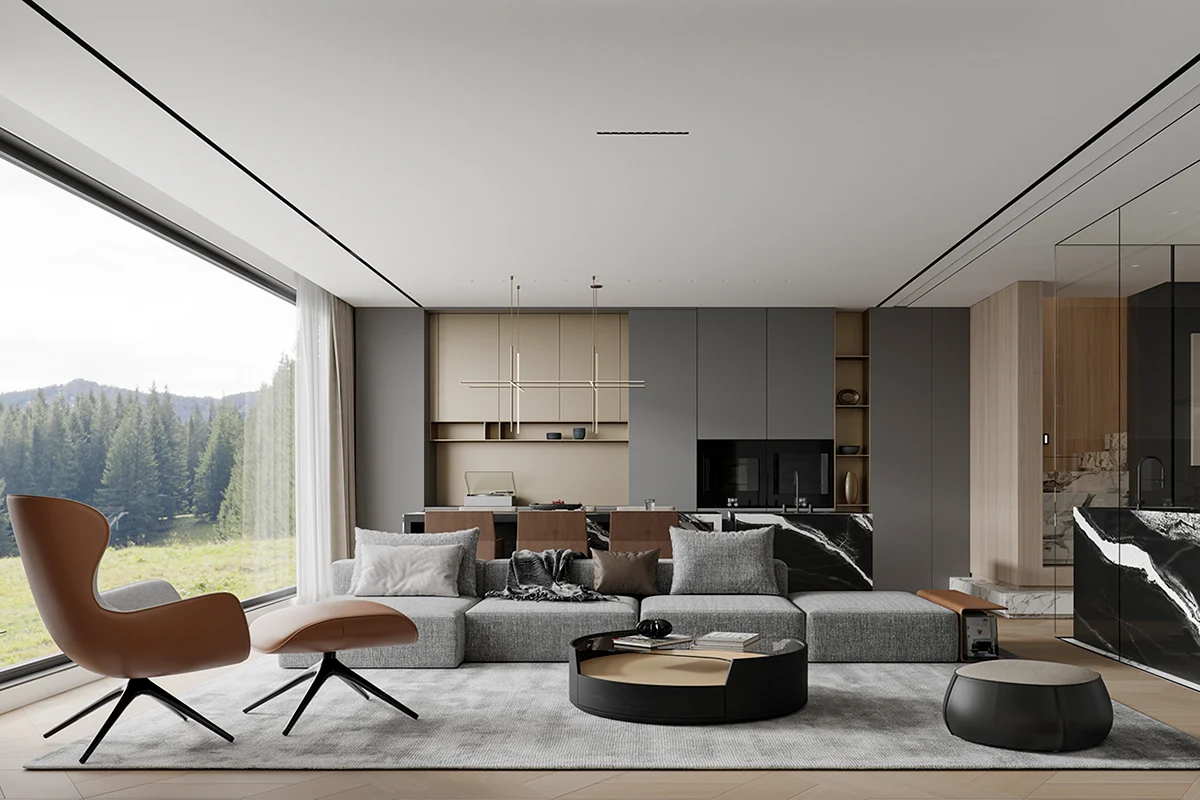
You spot a sofa online and fall in love with its clean lines and textured upholstery. But once it arrives, you can barely fit it into your room. You might also find that the color clashes with the rest of your pieces.
A comfortable space depends on how you balance function and visual harmony. Knowing how to choose living room furniture can help you determine the right size, dimensions, colors, and textures that suit your space and style.
Mapping your floor plan and identifying clearance boundaries helps make shopping easier. You’ll know what pieces to get, what size they should be, and where each one will sit.
Follow our living room furniture buying guide, and you won’t have to stress about buying a sofa that’s too small or a console that’s too wide.
Use a tape measure to measure the length of every usable wall in your living room, as well as the ceiling height and the vertical clearance beneath window sills. Mark the precise locations of wall switches, power outlets, floor vents, and baseboard radiators so your furniture placement does not obstruct them.
Don’t forget to measure the route your furniture will take from your front door to your living room. A large sectional might fit in your living room but not through the hallway it needs to pass to get there.
If you already have a specific piece of furniture in mind, use blue painter’s tape to outline its width and depth on the floor. You can walk around them to test the flow of the room before you hit checkout.
Comfortable spaces allow easy movement without forcing anyone to squeeze around table edges or armrests. Keep these spatial rules of thumb in mind as you arrange your seating:
Maximalism is trendy right now, but even a colorful, vibrant design needs balance and cohesion; otherwise, it turns into visual chaos. Choose one dominant style or focal point to anchor the room, such as mid-century modern or warm contemporary. Then repeat two or three key materials, colors, or shapes throughout the space to create balance.
Keep wood tones and metal finishes coordinated, but not necessarily identical. For example, if your coffee table has warm walnut legs, you can use similarly warm wood styles in shelving or a sideboard. Use one dominant metal finish, such as matte black or brushed brass, across lighting, table legs, and hardware. If you want to add contrast, limit it to one deliberate accent finish.
When working within a fixed budget, purchase your living room in phases. Secure your primary seating first, then introduce accent chairs, storage, and tables over time. Remember to include sales tax, shipping rates, and potential assembly costs in your total budget.
Check out comfortable, affordable furniture with high-end style.
Once you’ve measured and defined your living room, browse our living room furniture buying guide to help you shop for pieces that complete your space.
Anchor your living room with these:
Keep these sizing guidelines in mind as you browse seating:
Another important consideration is upholstery. Apart from appearance, you might also want to think about how well it holds up to use. For instance, silk is a stylish choice, but it won’t withstand a cat’s claws or a toddler’s juice spills.
Other options can include:
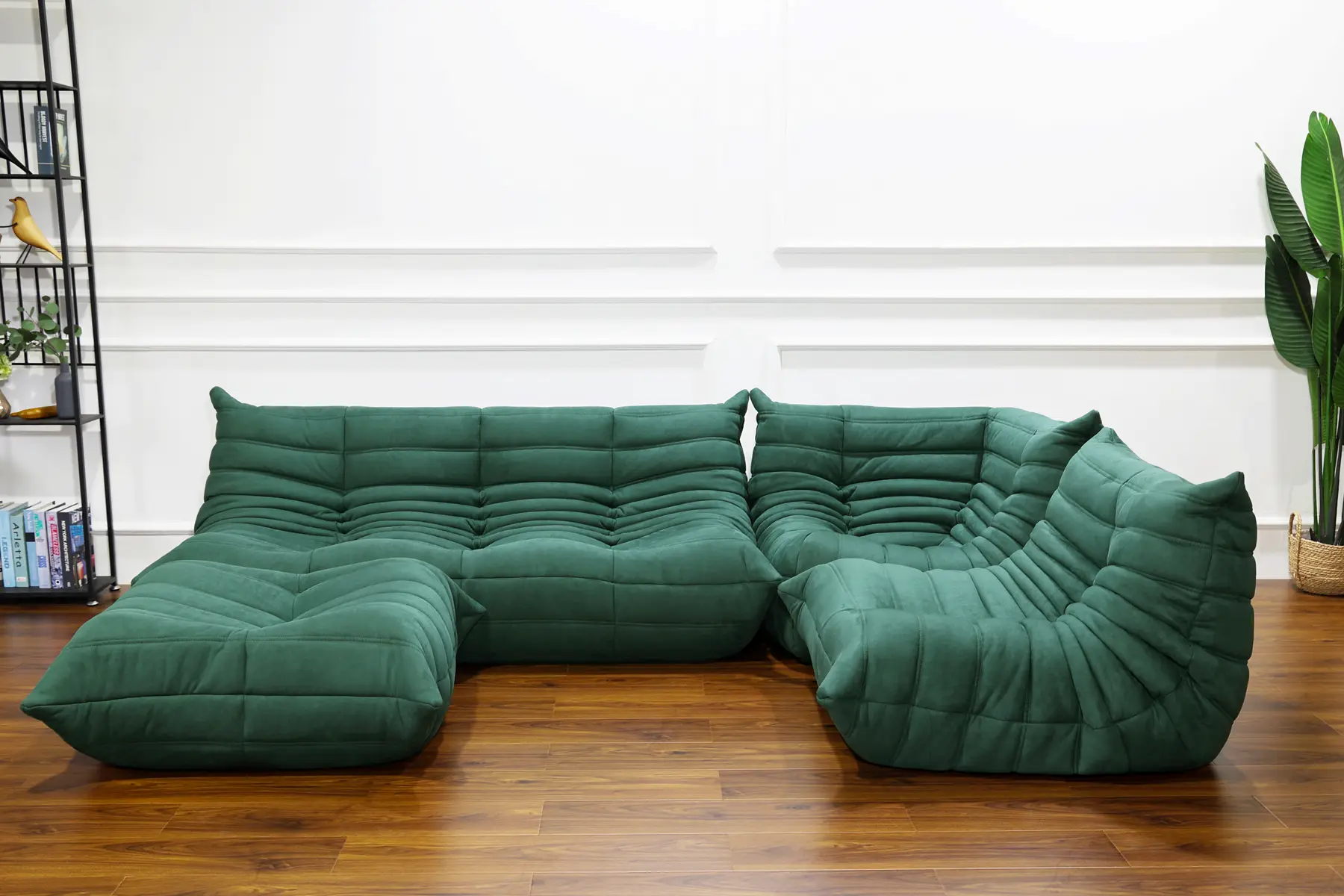
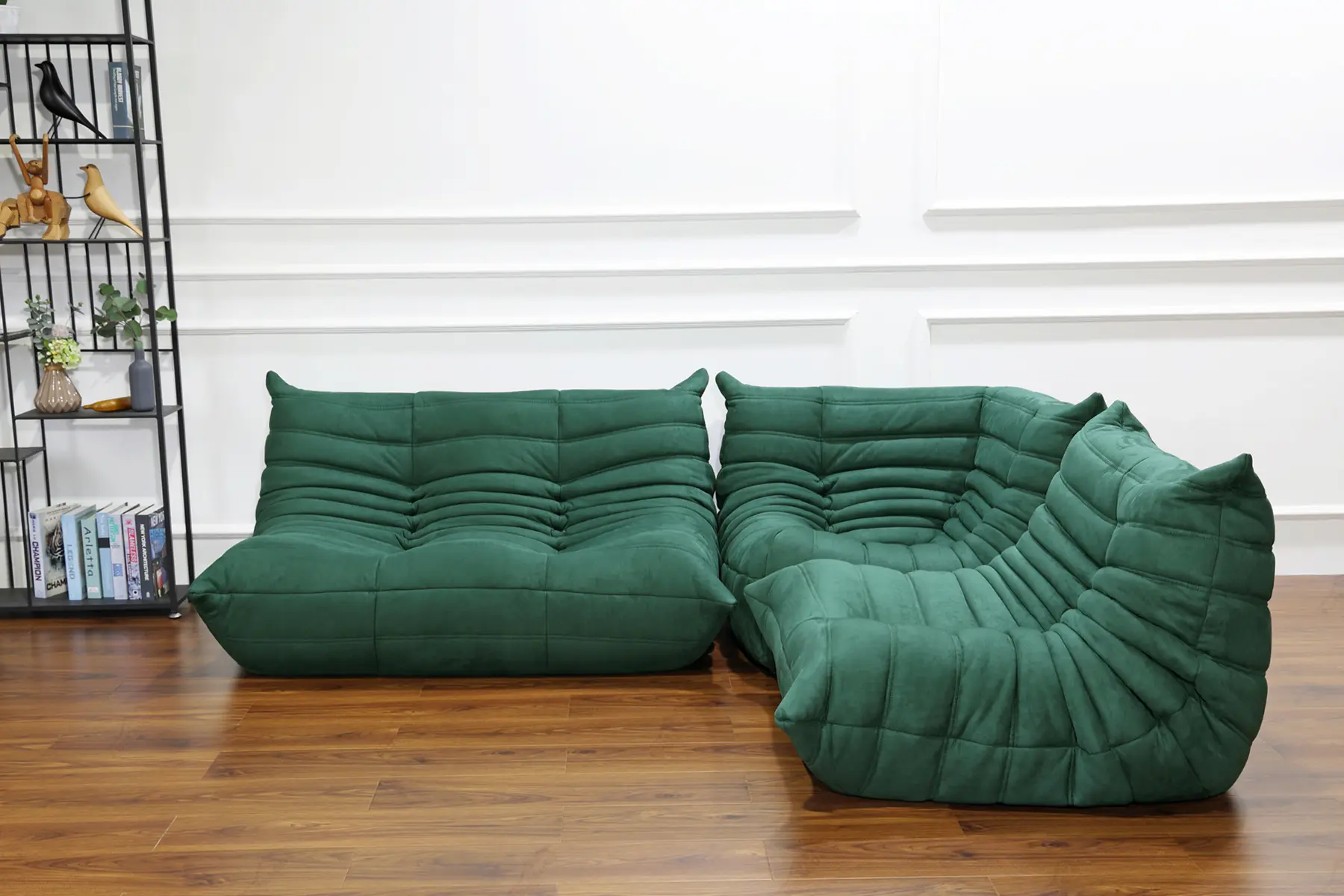
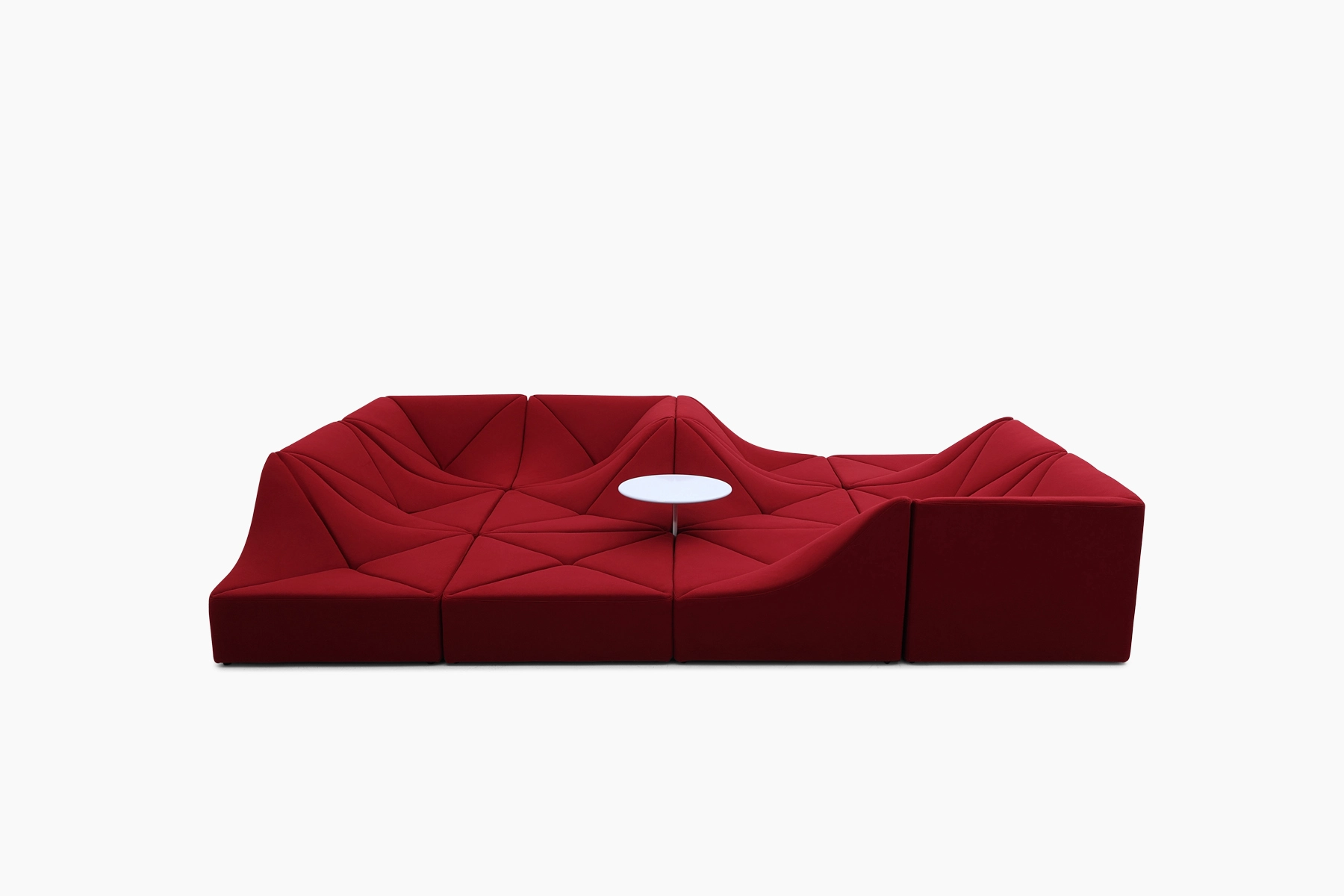
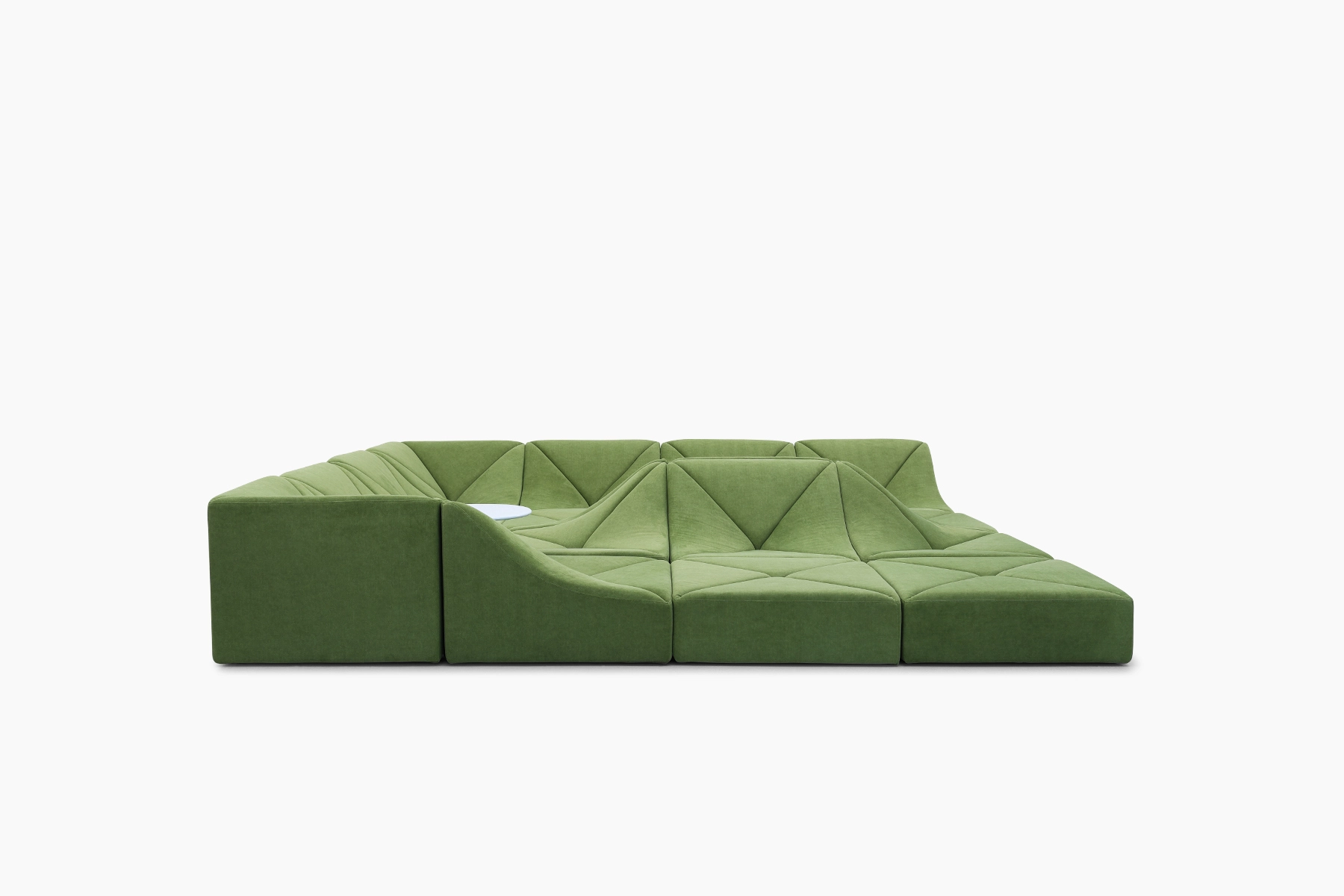
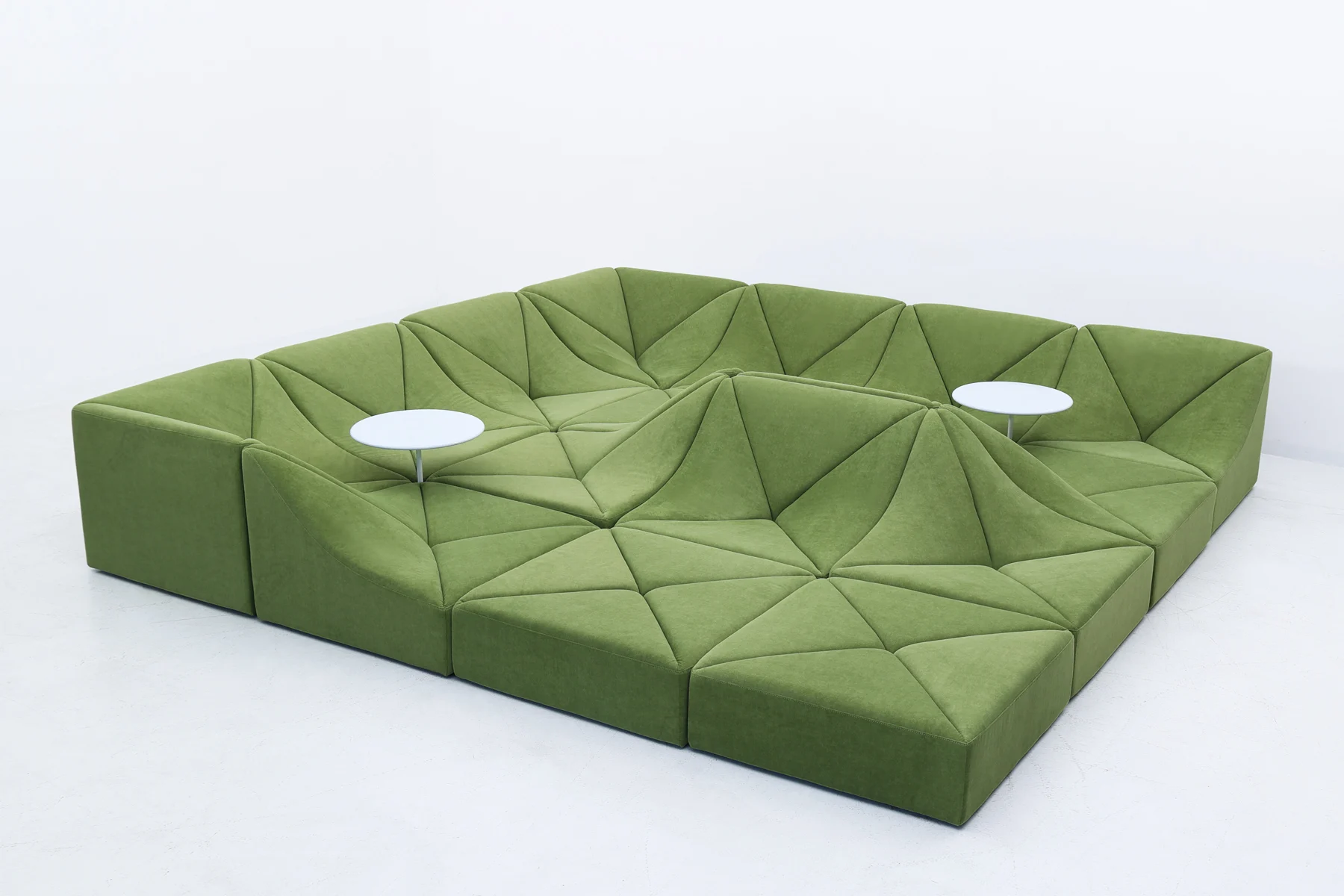
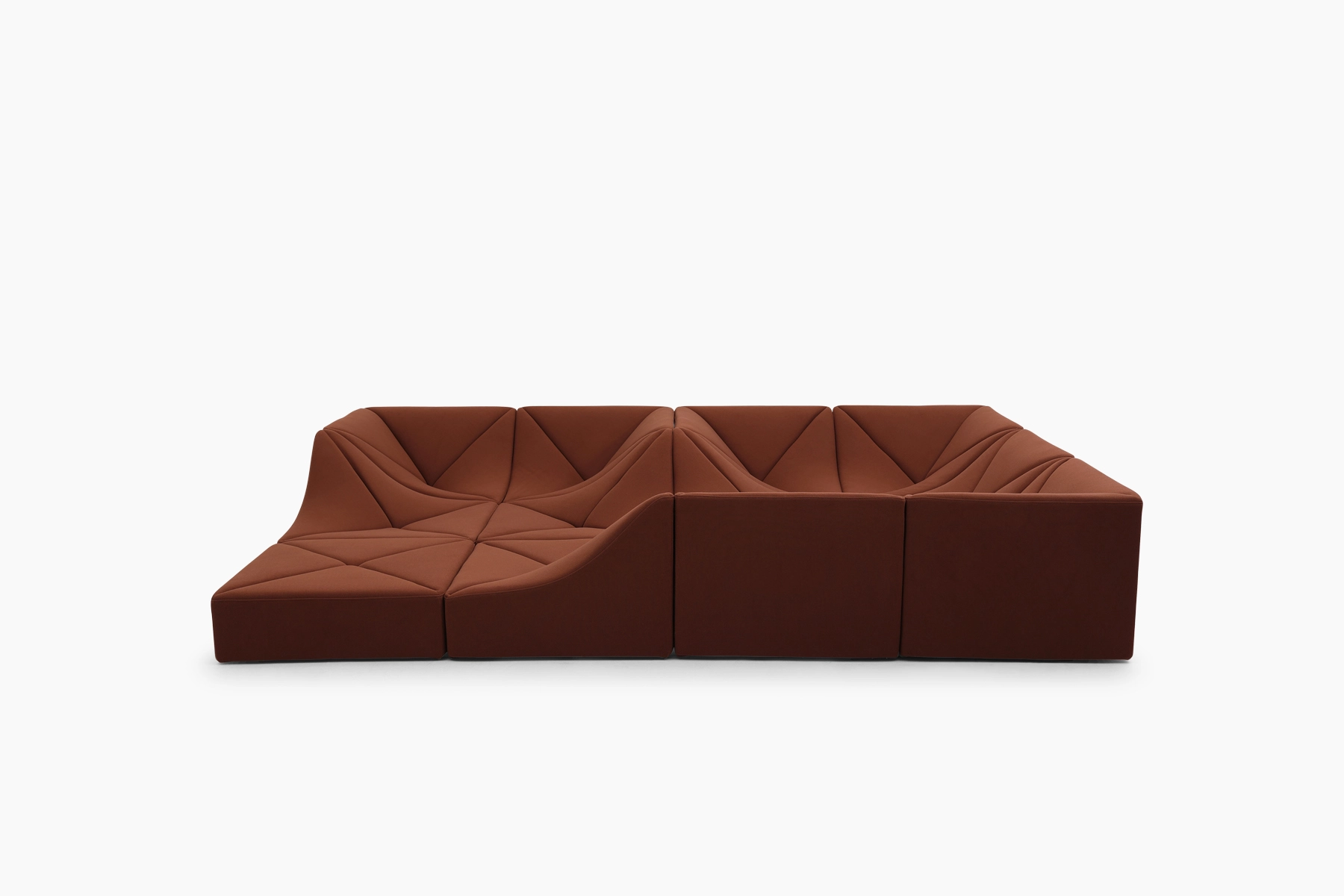
Learn the difference between sectional and modular sofas to find the right configuration for your space.
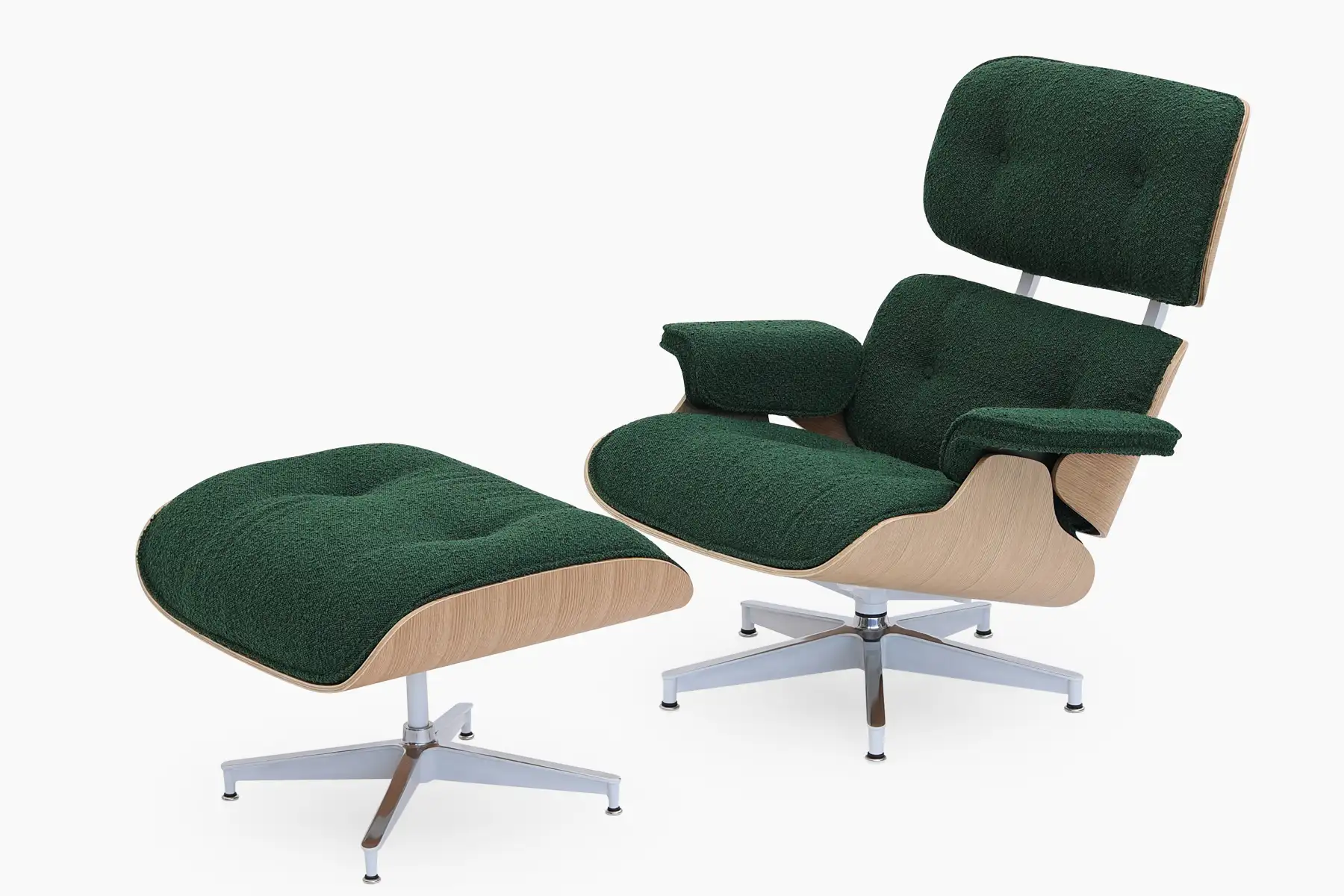
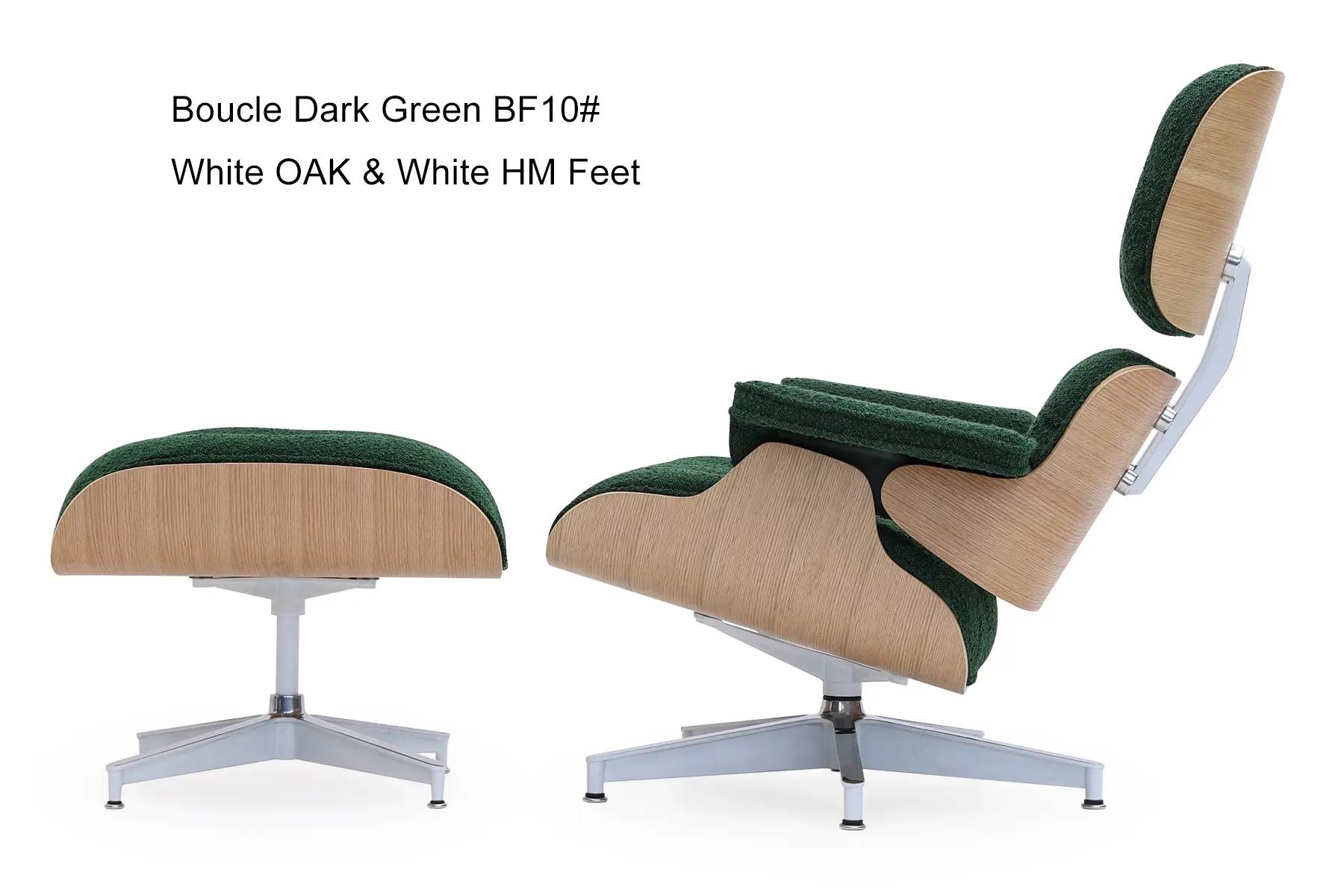
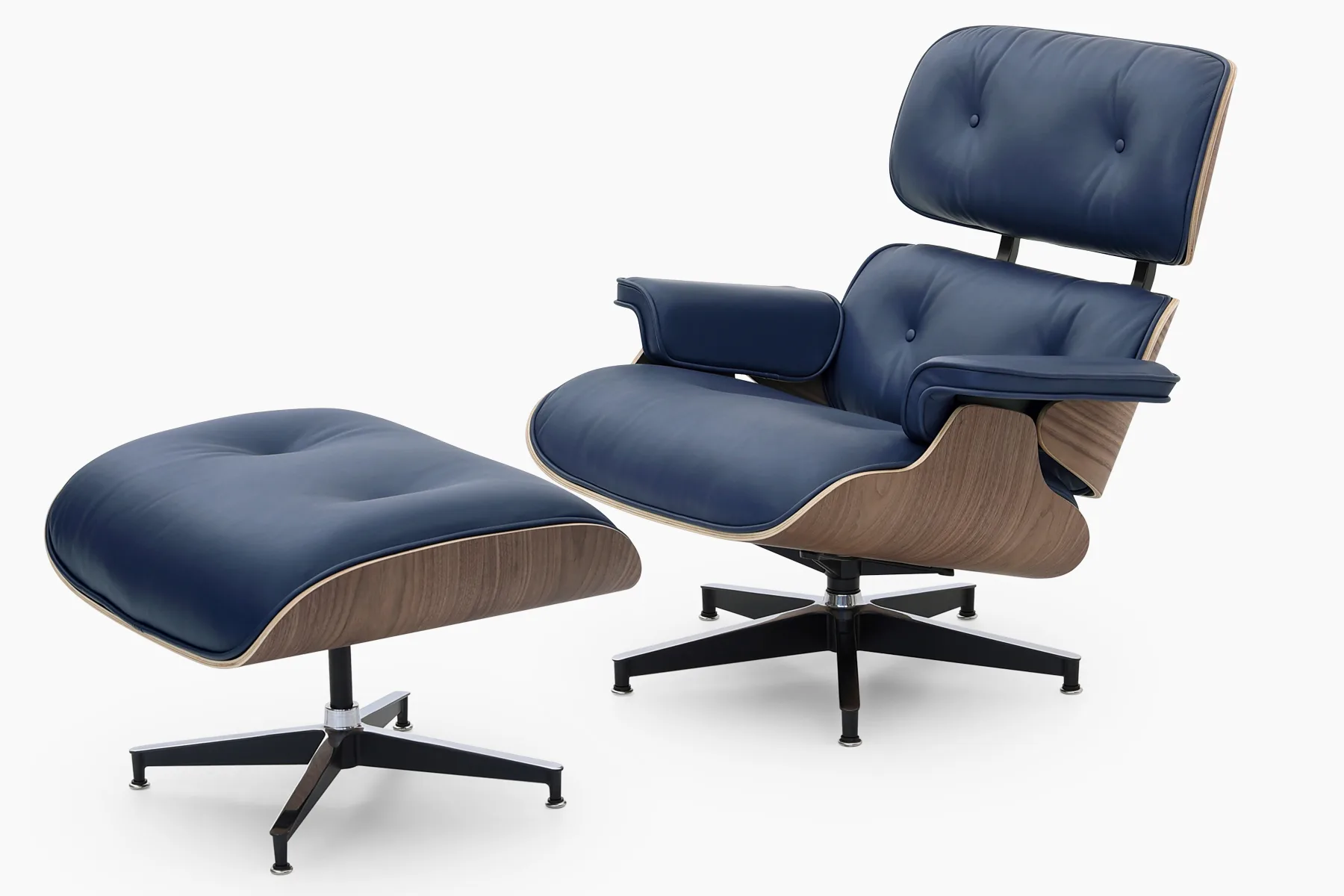
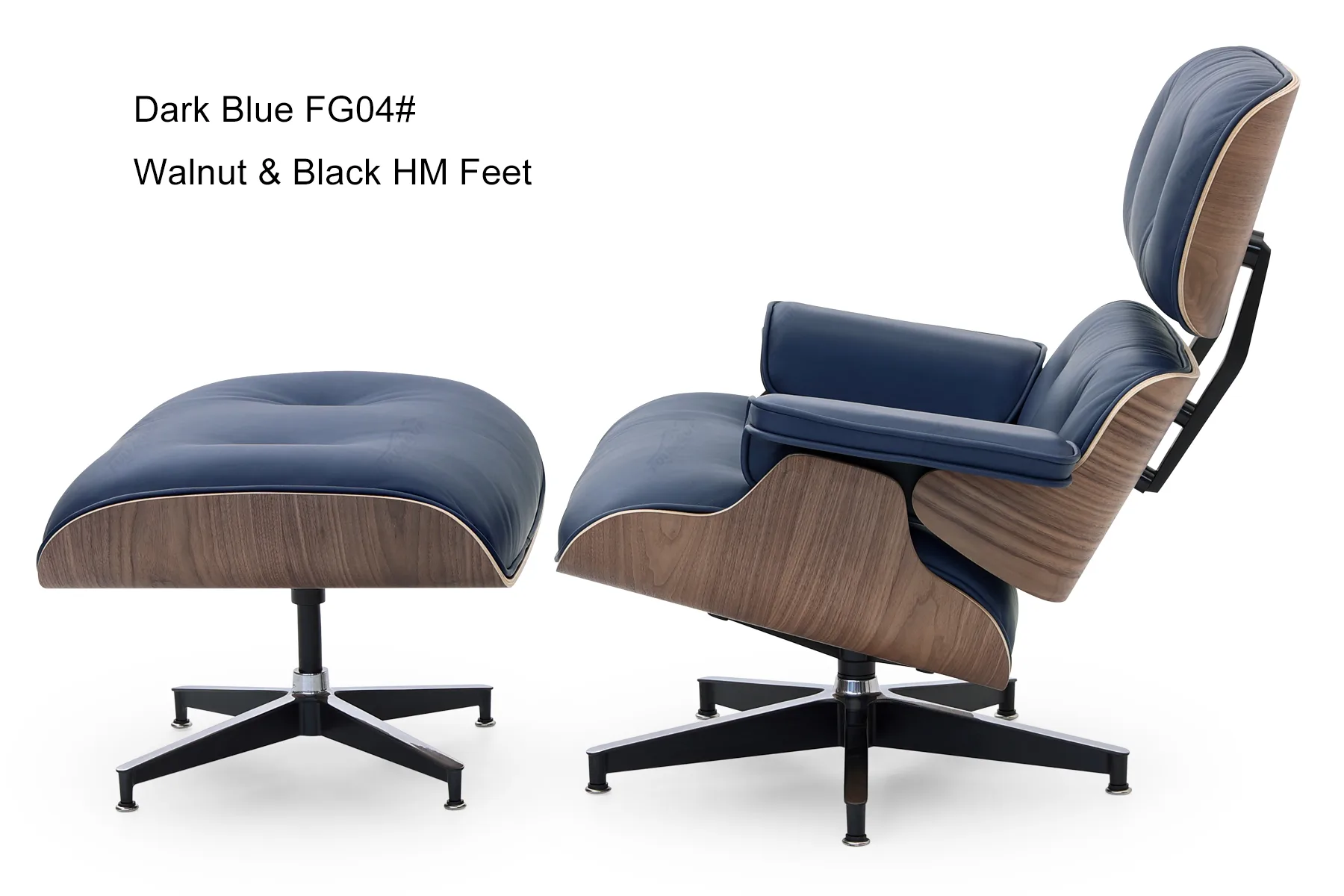
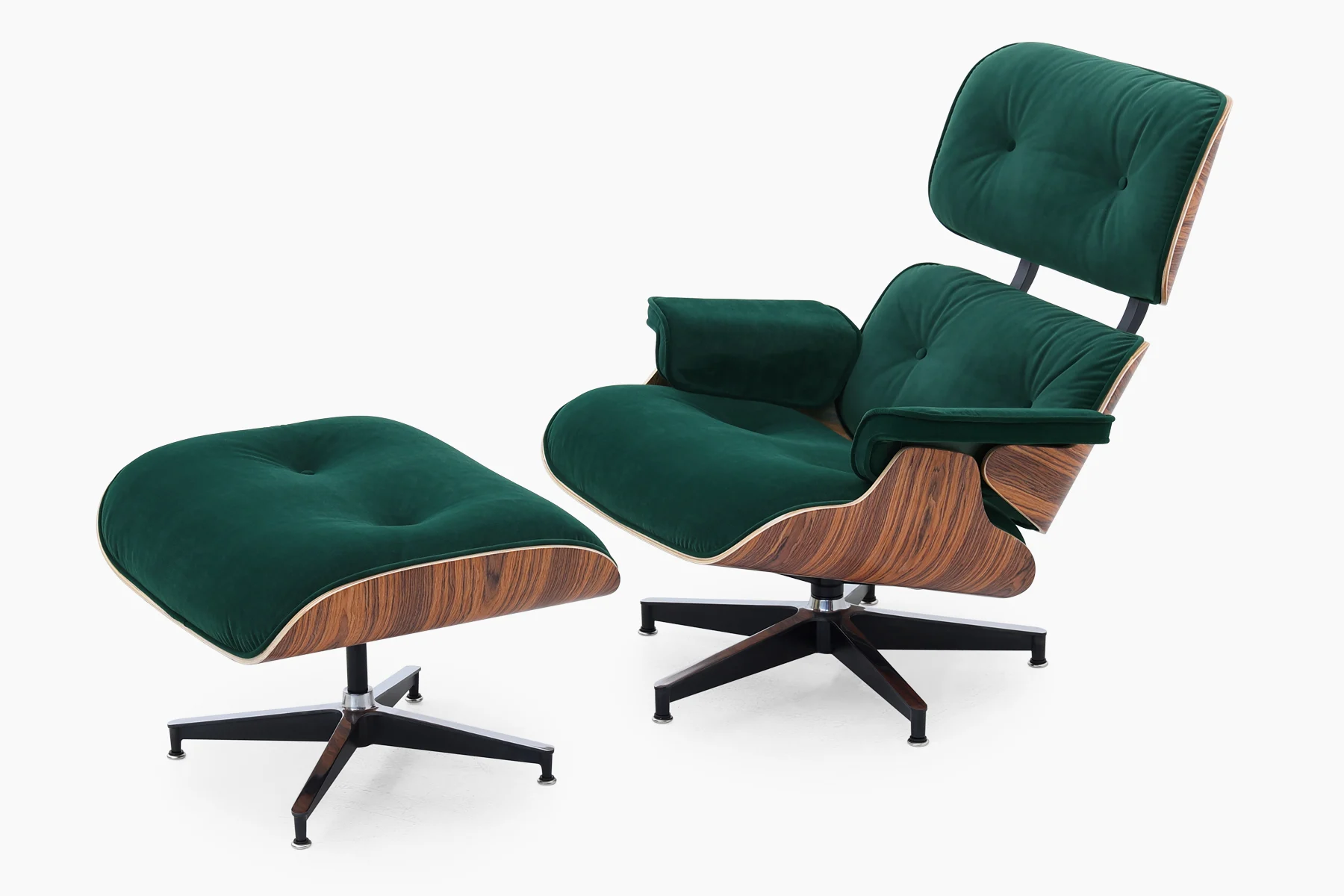
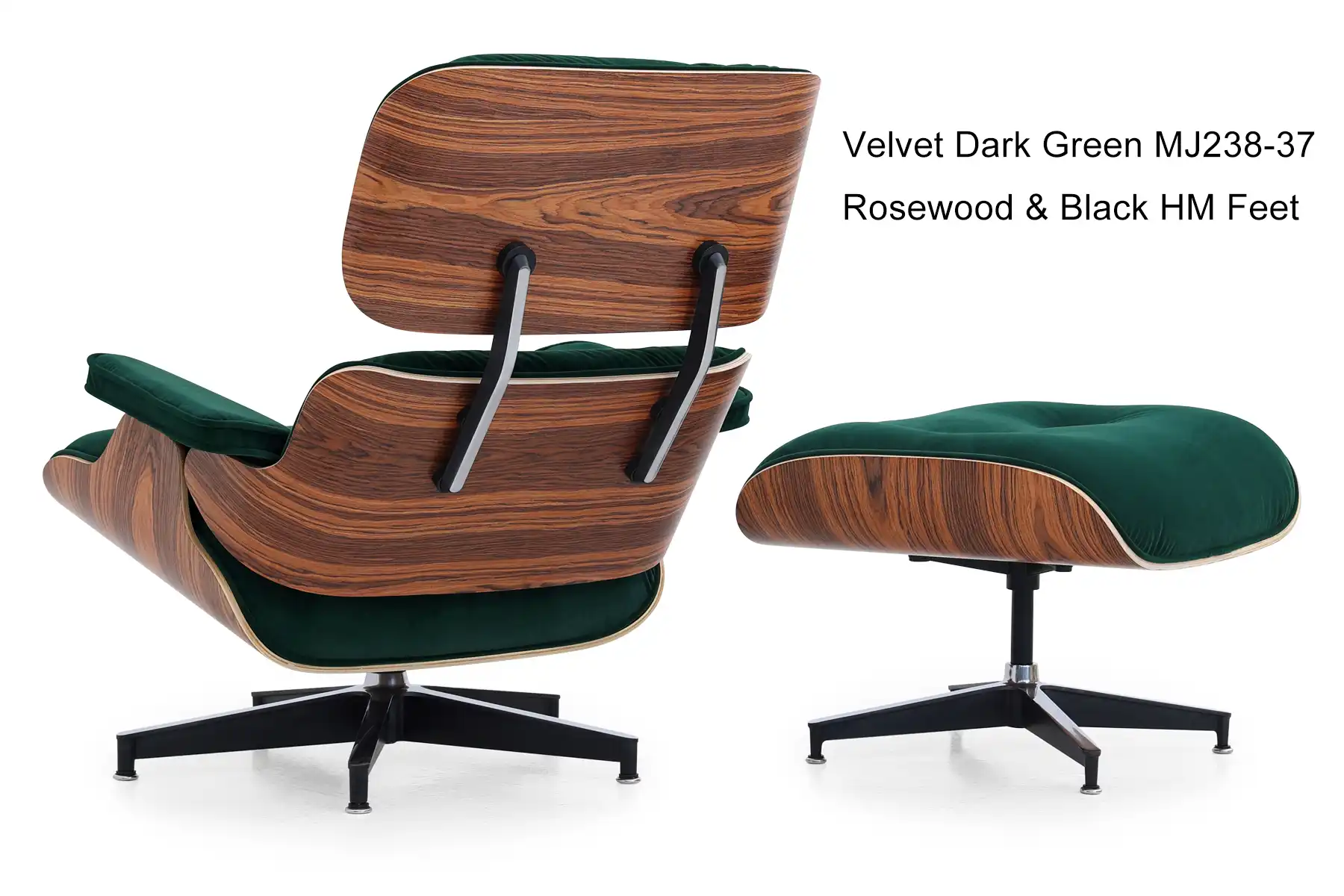
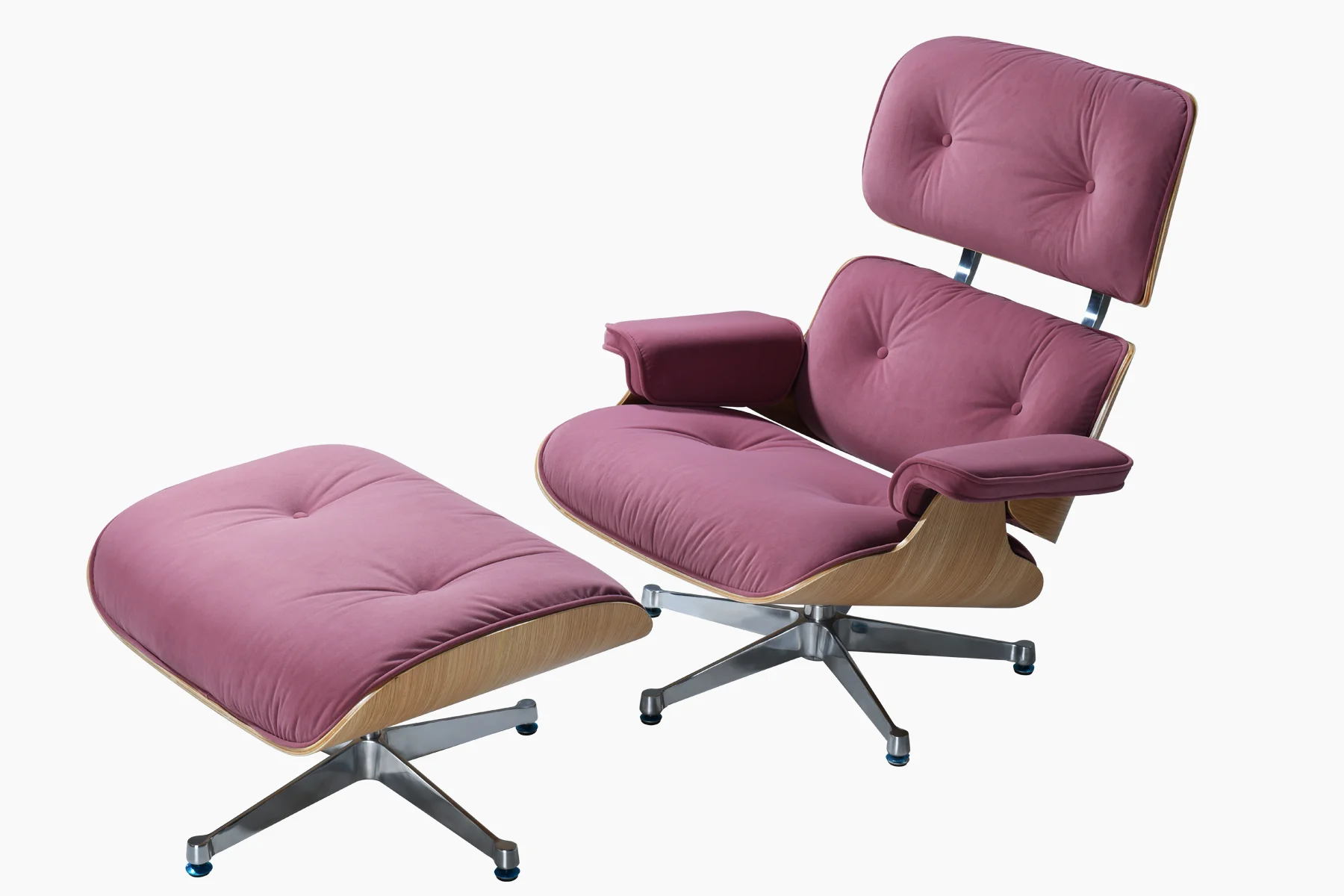
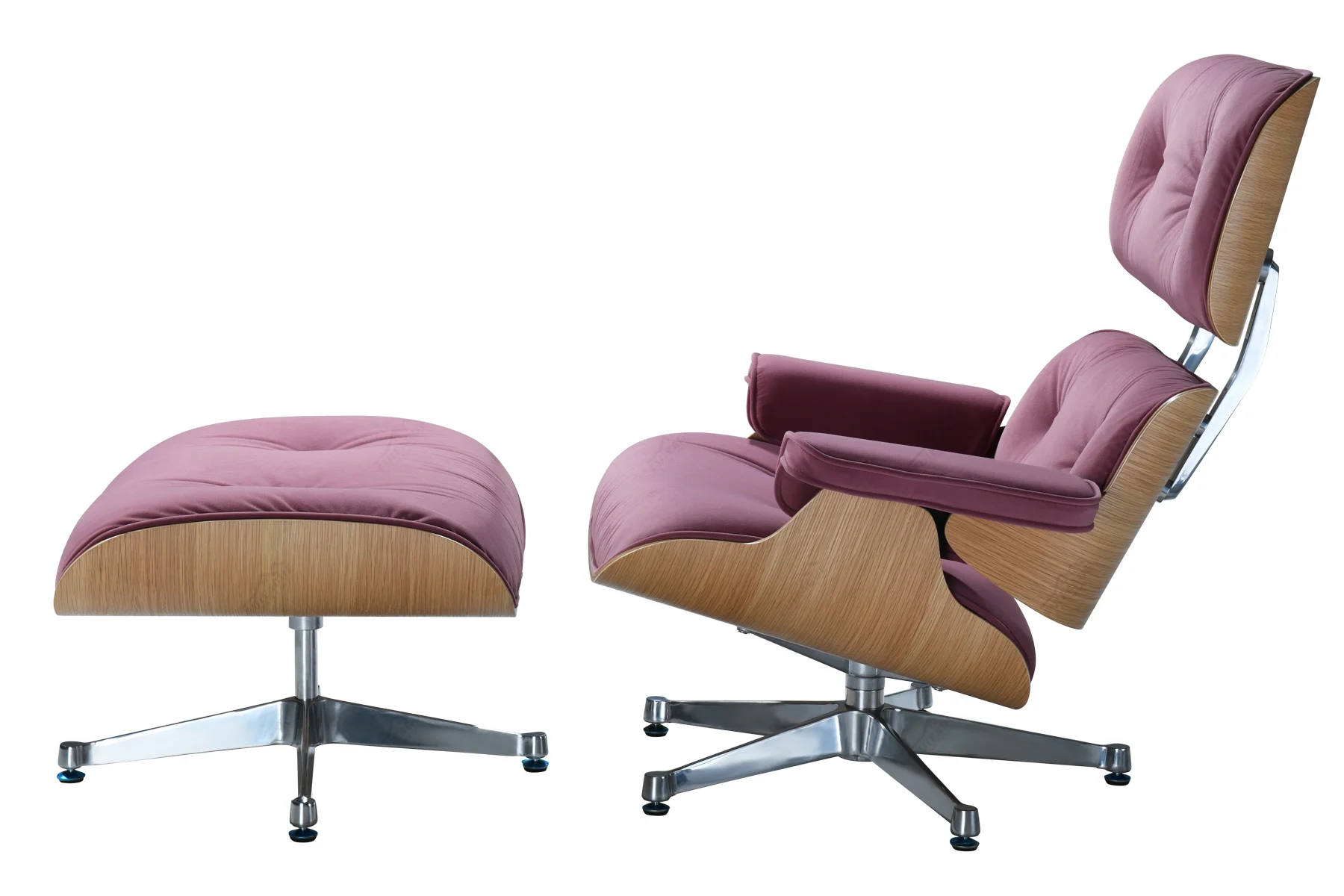
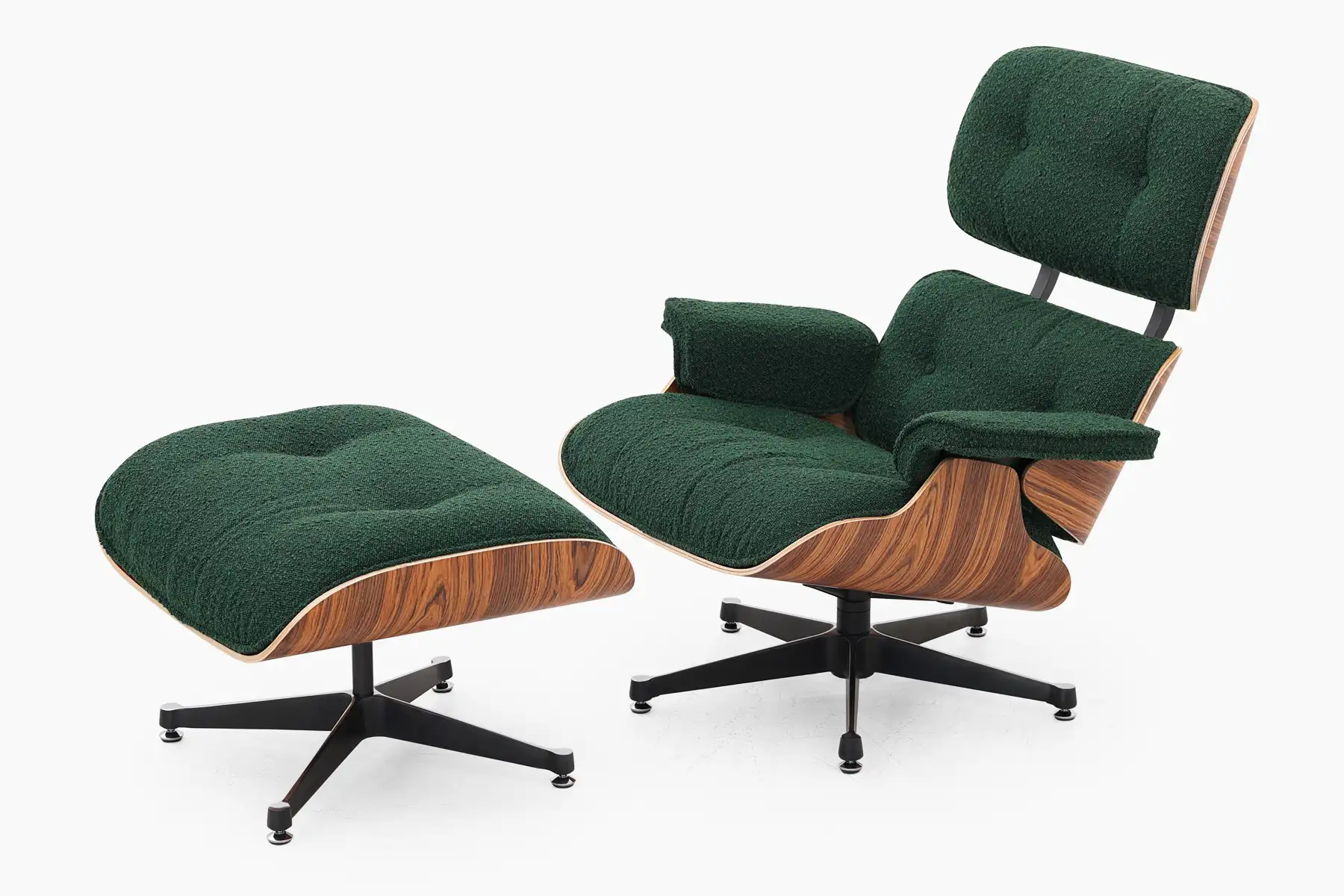
Accent chairs and lounge chairs can be used to create a cozy reading corner or conversation seating. You can also use these to introduce contrasting materials, such as by pairing an Eames-inspired leather lounge chair with a woven textile sofa.
Leave at least 30 inches of clear walking room around standalone chairs. When placing a swivel chair, calculate the complete 360-degree rotation path so the backrest clears walls, lamps, and tables.
Match your chair height to your sofa’s scale. Low-profile modular sectionals pair naturally with accent chairs that have a matching 16- to 18-inch seat height. Pairing tall wingback chairs with ultra-low seating disrupts eye lines and creates awkward conversational angles.
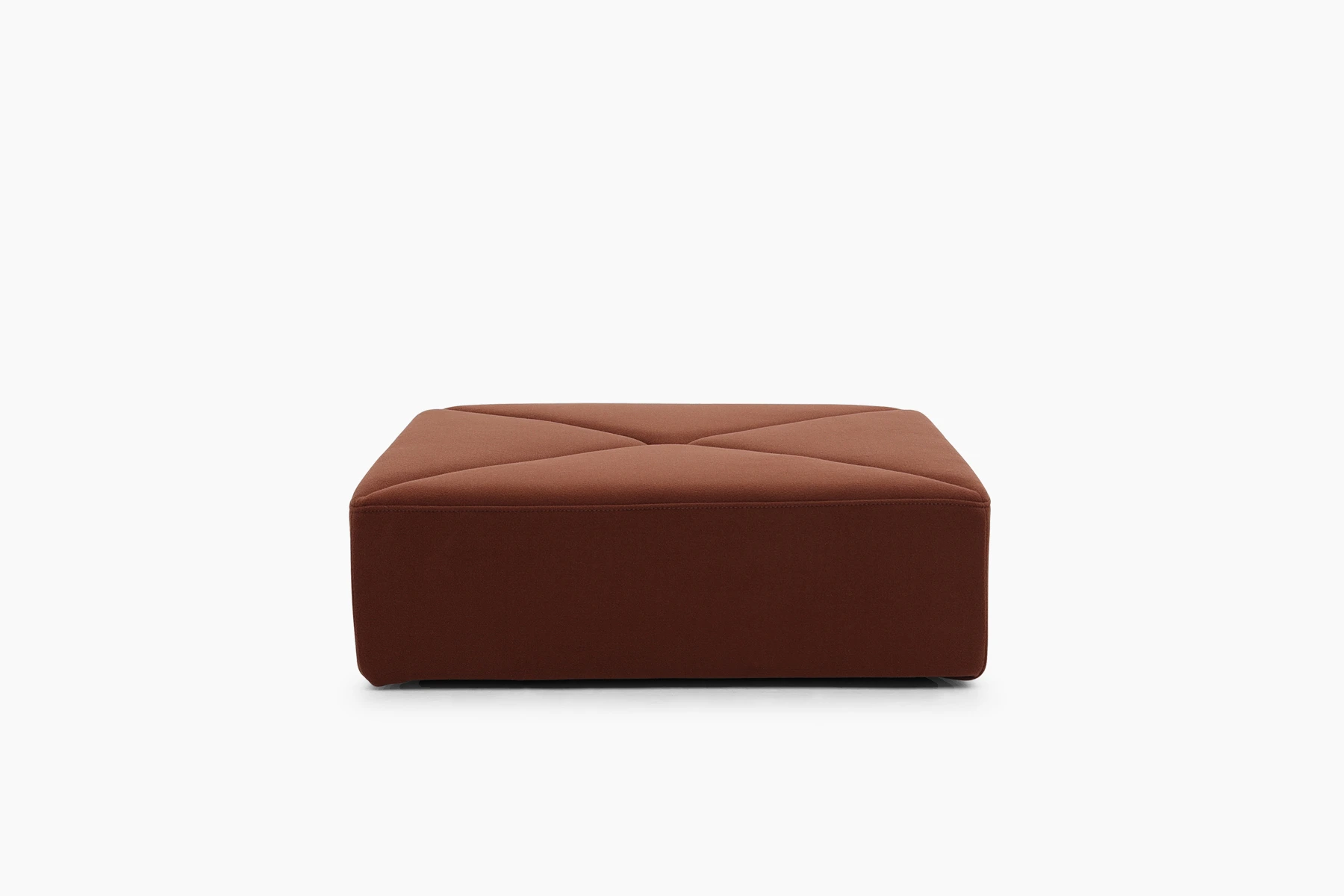
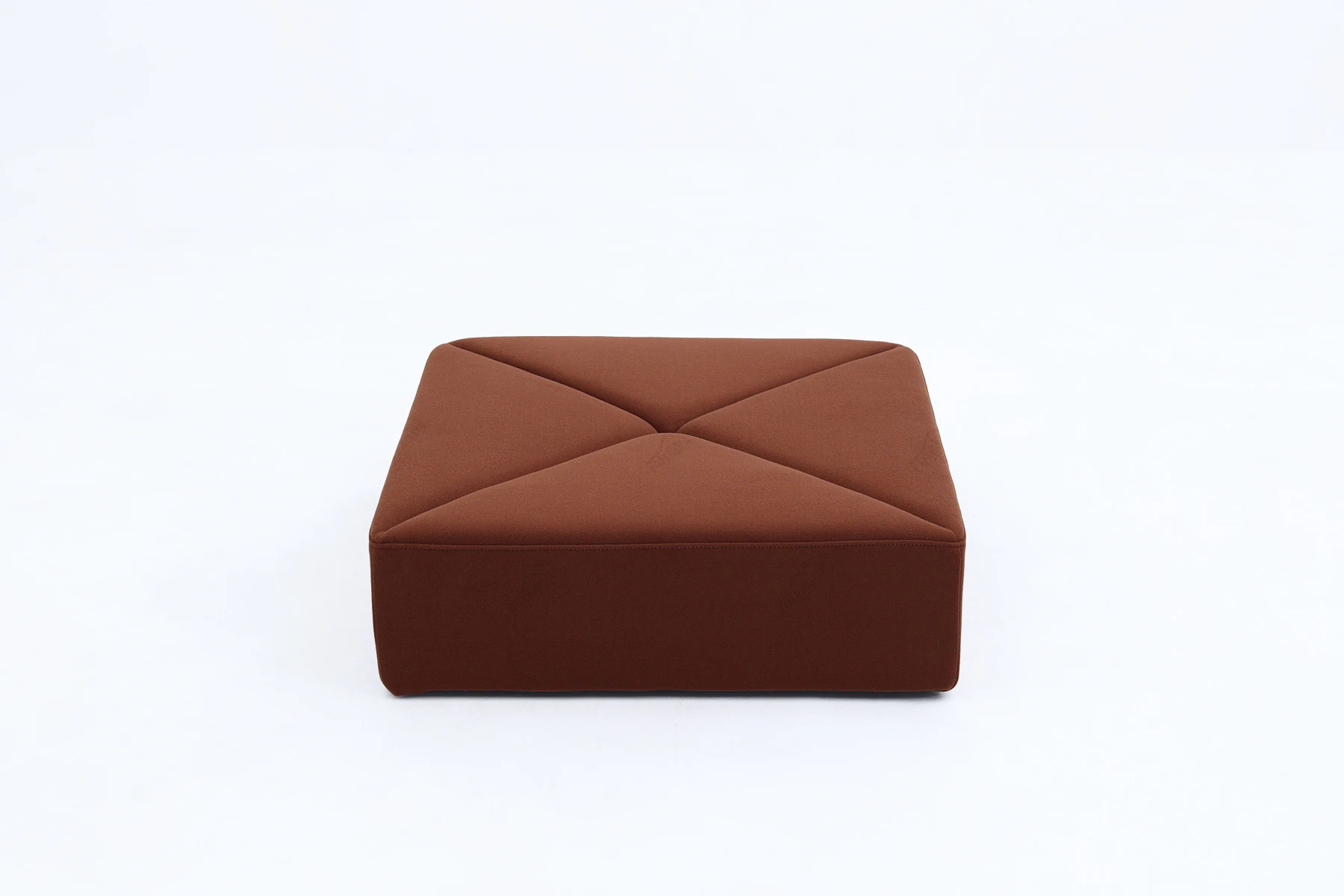
Ottomans provide practical versatility throughout the living room:
Compare swivel chair options for the living room.
Coffee tables and side tables balance your seating pieces while providing a place for lighting, decor, and drinks. Balanced proportions keep these surfaces from taking up valuable floor space.
Choose a coffee table measuring one-half to two-thirds the length of your sofa. The top surface should sit level with your sofa seat cushions or up to two inches below them. Tables that sit higher than your seat cushions interrupt sightlines and feel awkward to reach across.
Select a table silhouette that matches your traffic paths:
For homes with young children, opt for rounded table edges and solid wood surfaces that can withstand heavy use. Nesting tables provide flexibility for small spaces, allowing you to pull out secondary surfaces when hosting and slide them away afterward.
A media console anchors your display screen and keeps cables, components, and media accessories out of sight. Balancing the width of your console against the screen keeps the primary focal wall grounded.
Select a console that measures 10 to 15 percent wider than your television frame. Leaving several inches of console surface exposed on either side frames the television naturally.
Plan your console placement around viewing ergonomics:
Check the weight rating of the top surface, look for internal cable pass-throughs, and verify rear ventilation grilles to keep game systems and audio equipment cool.
See how to build a mid-century modern TV console to balance functional cable storage with clean lines.
Planning your storage around what you actually own keeps the room organized and open.
Identify what the shelves need to hold before choosing a configuration. Heavy art monographs and vinyl records require sturdy shelf spans, while ceramics and framed photos suit lighter displays:
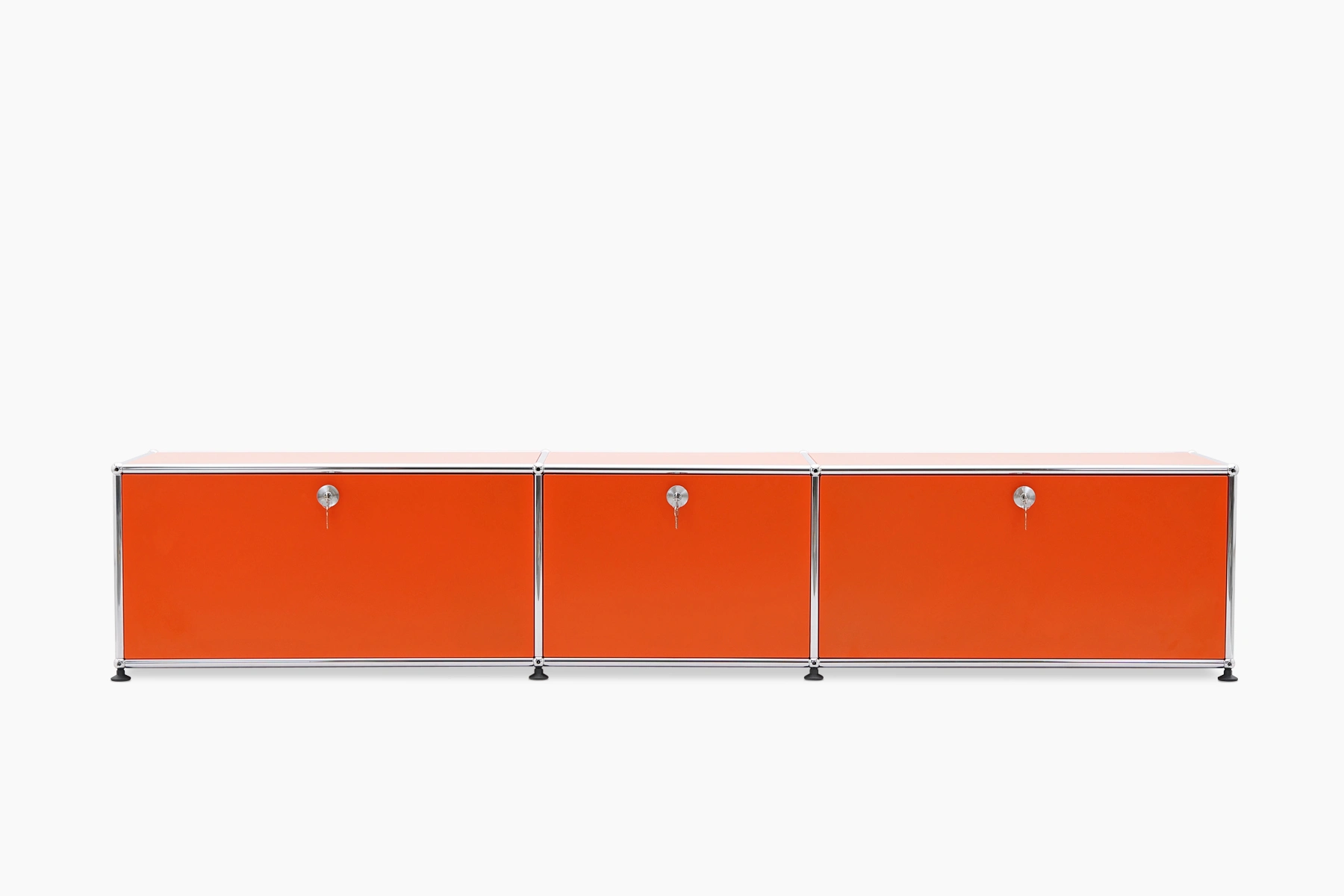
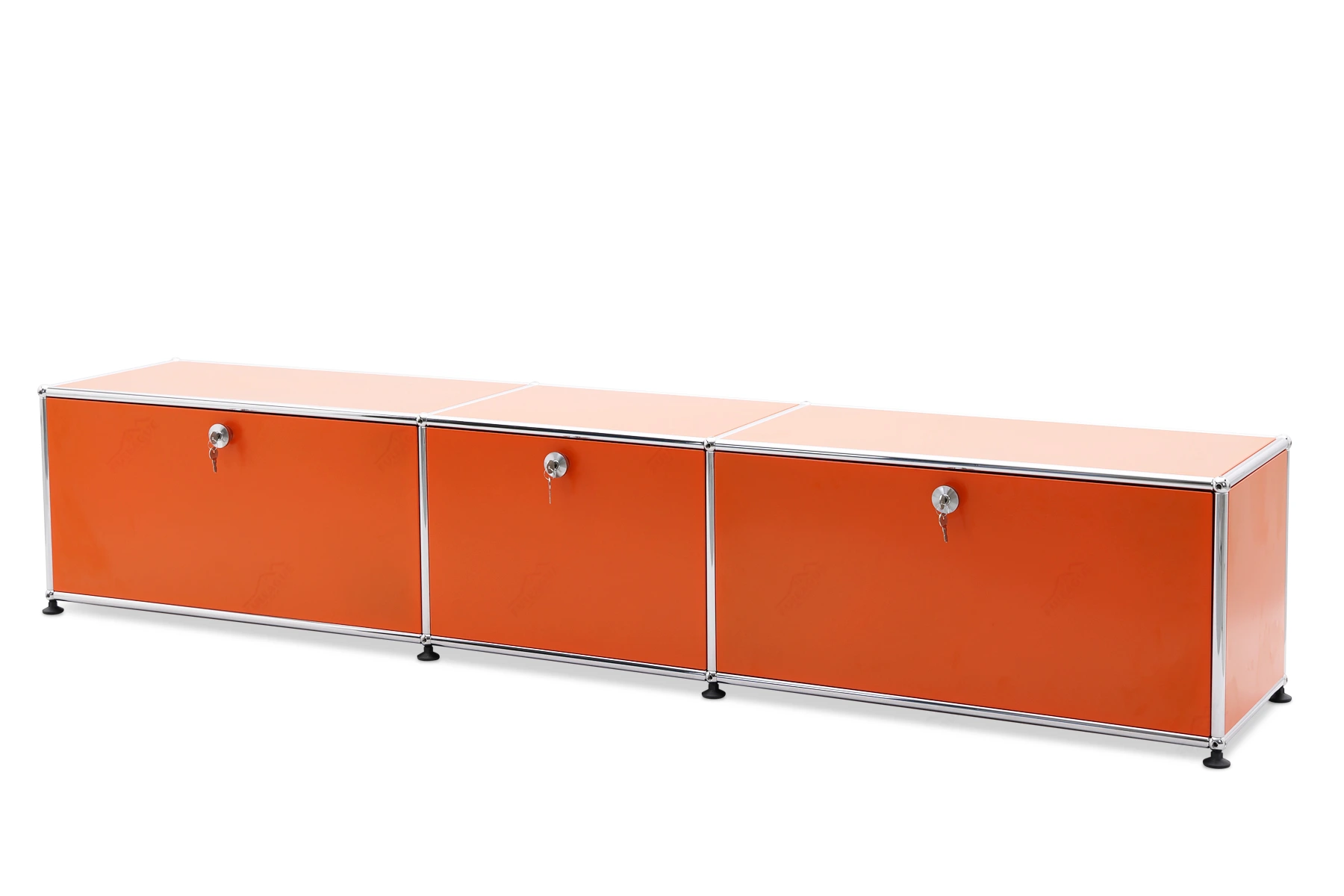
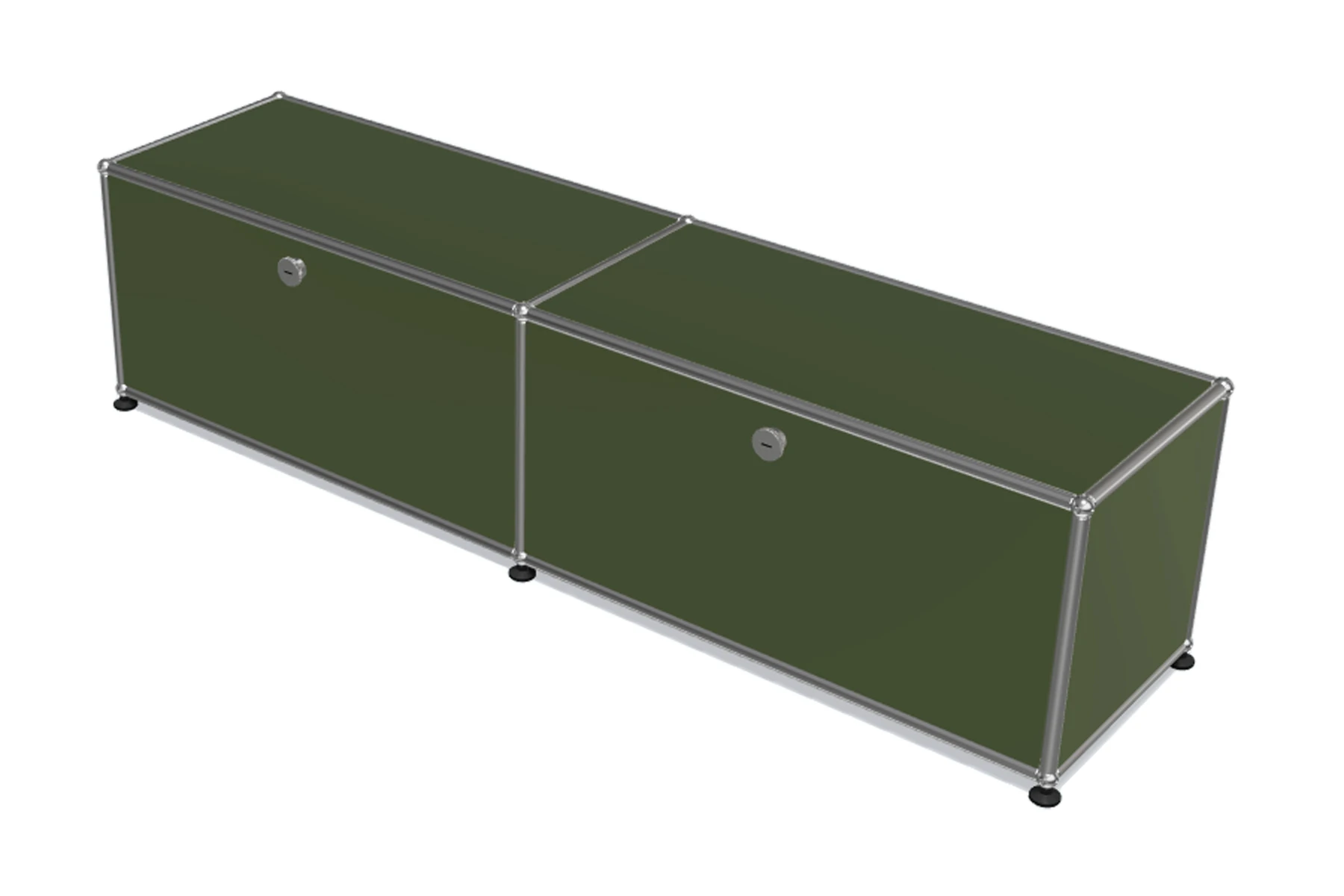
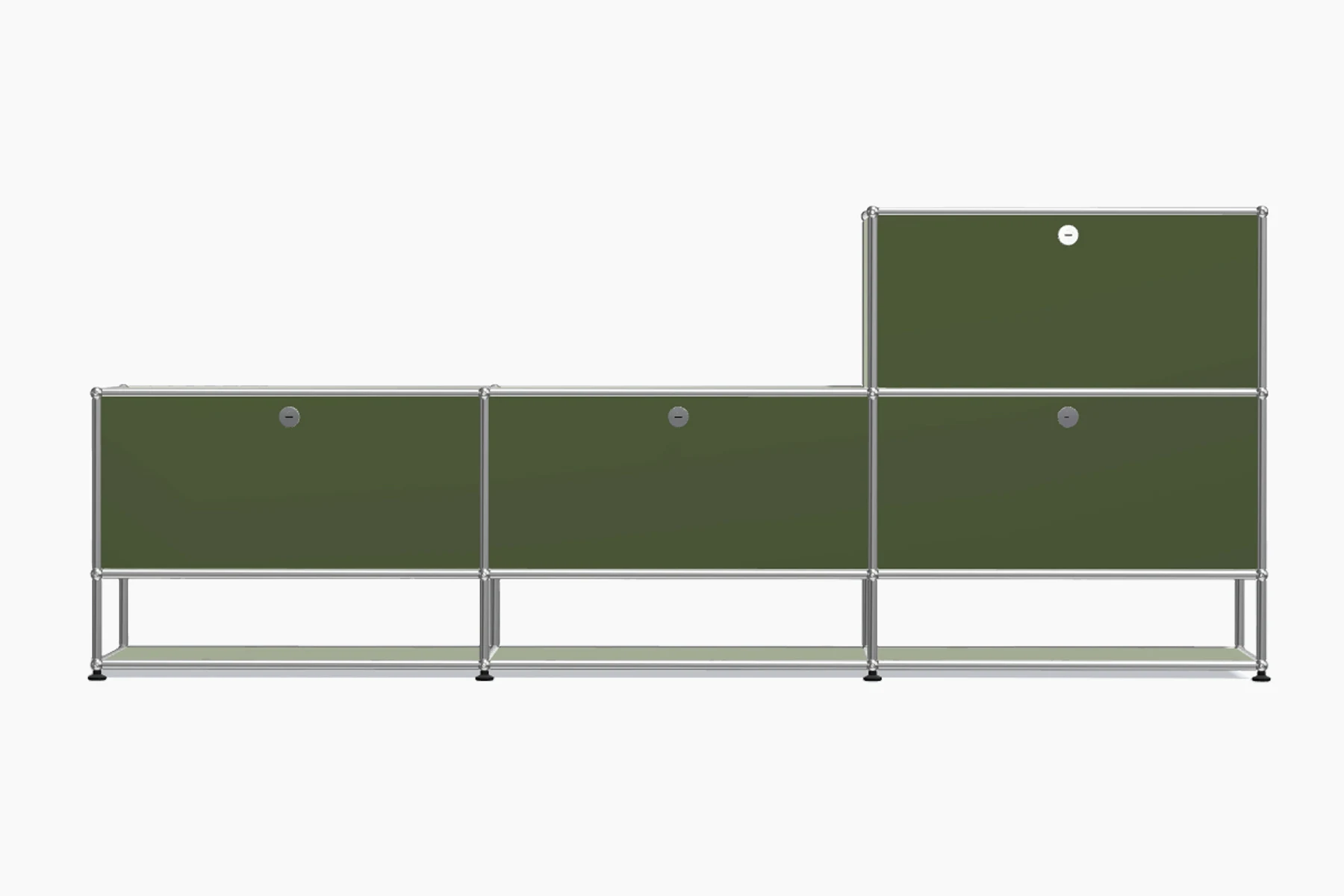
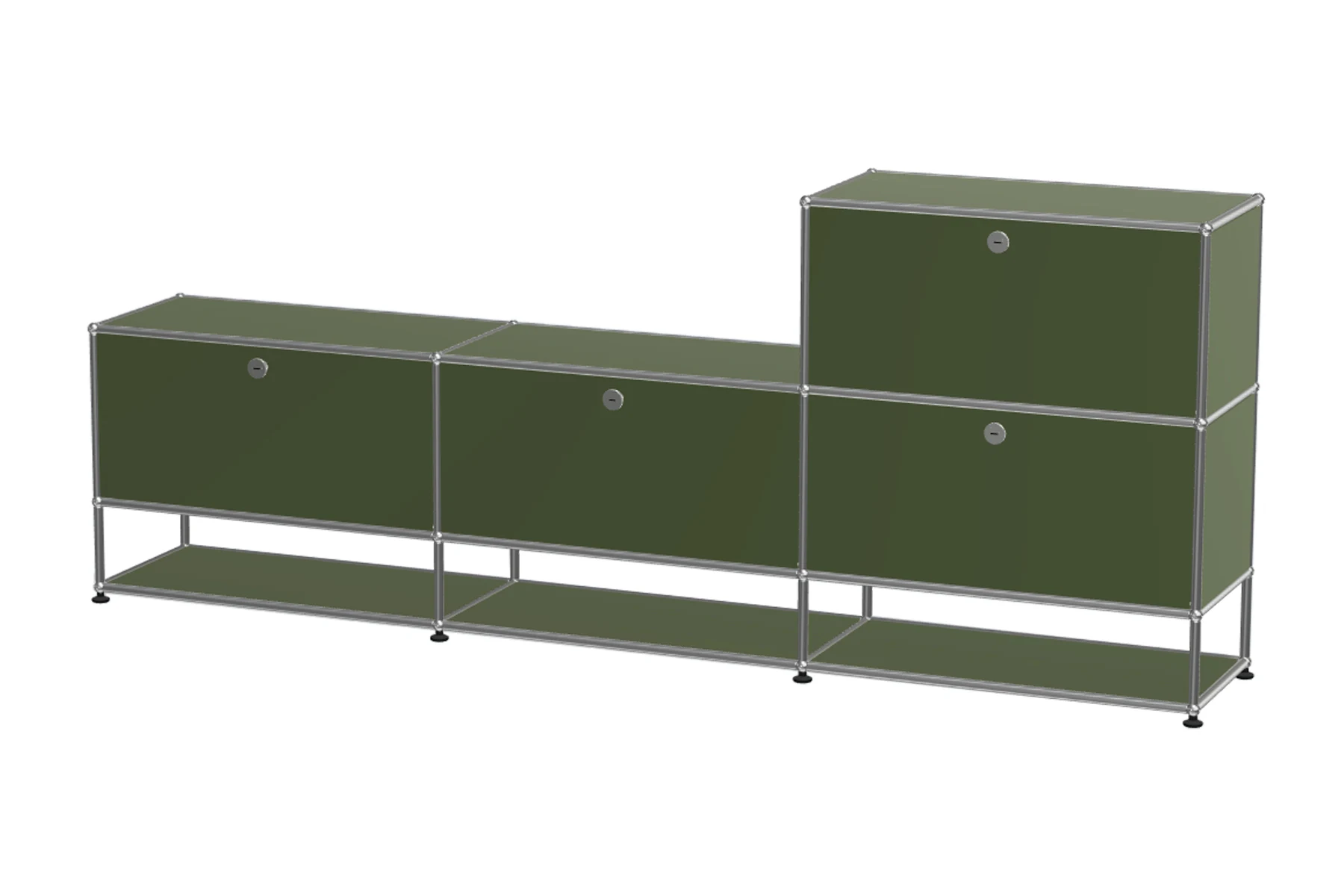
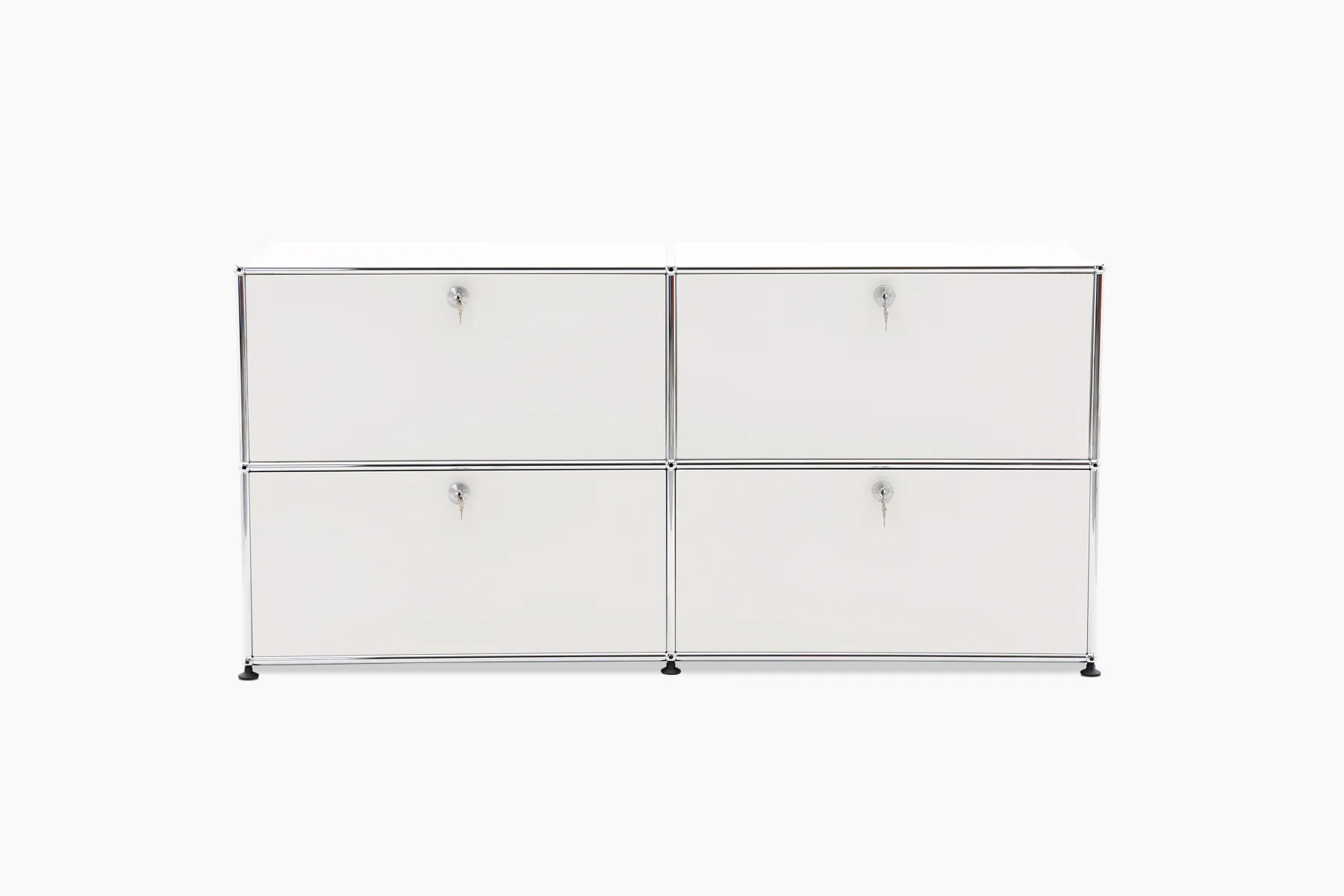
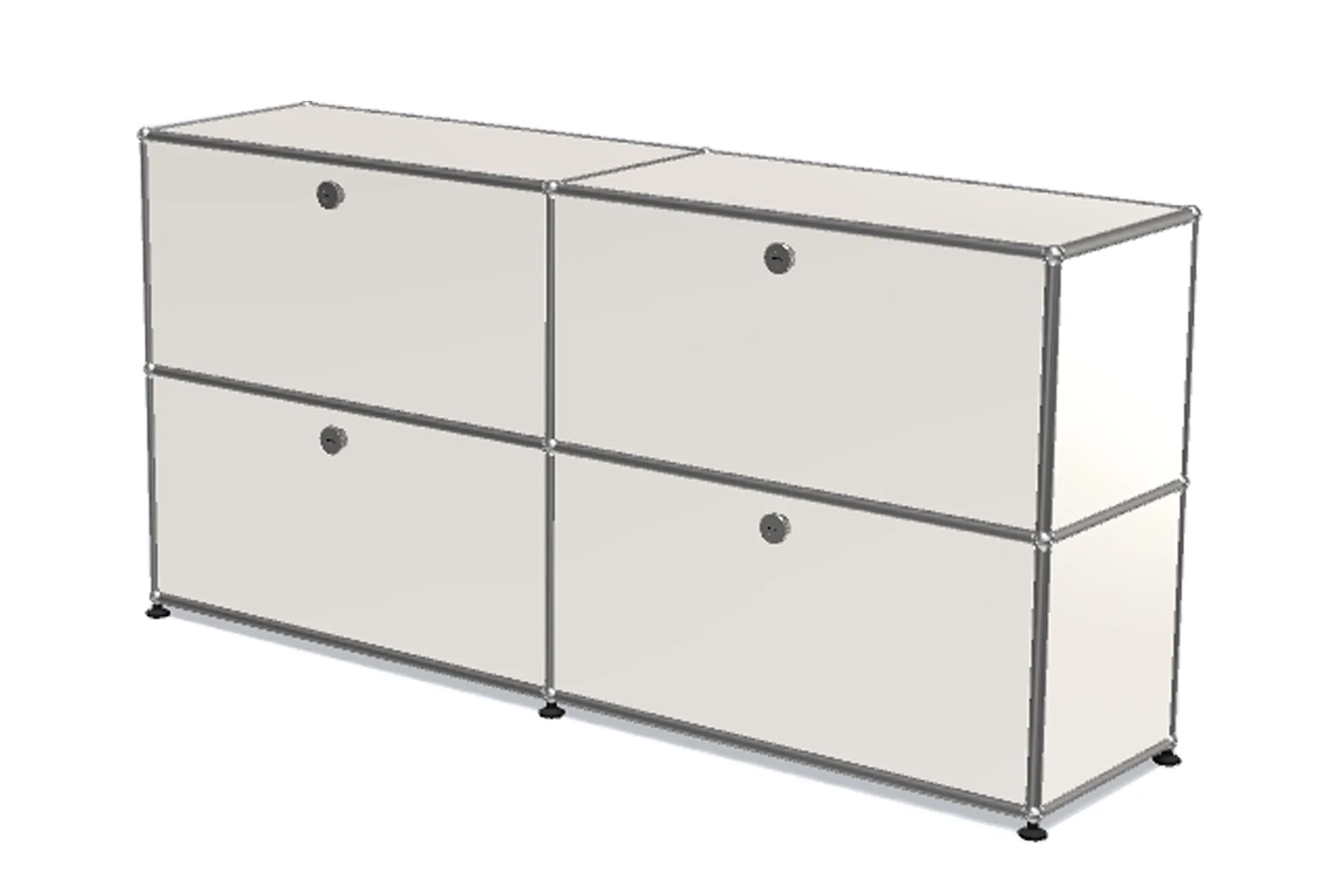
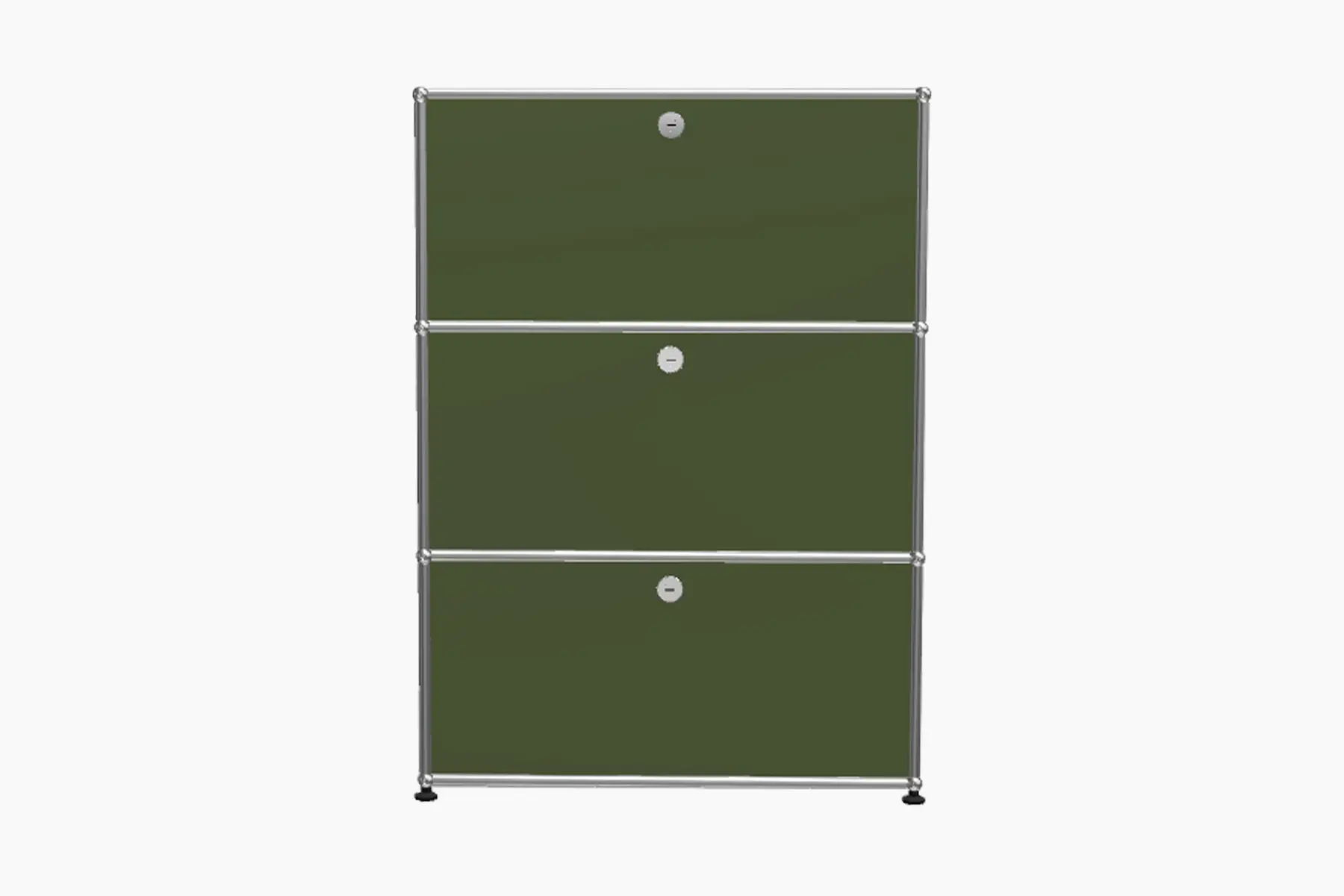
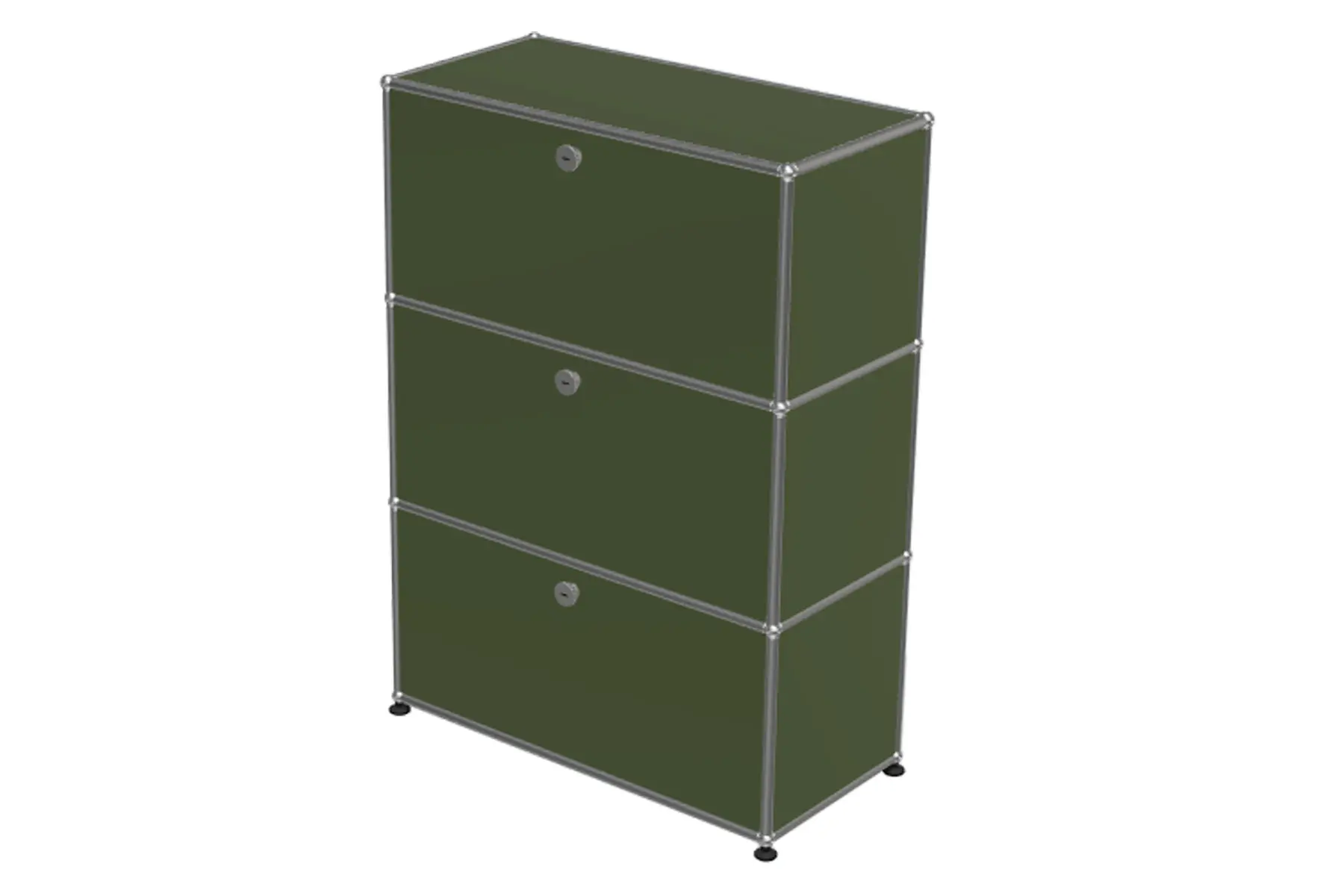
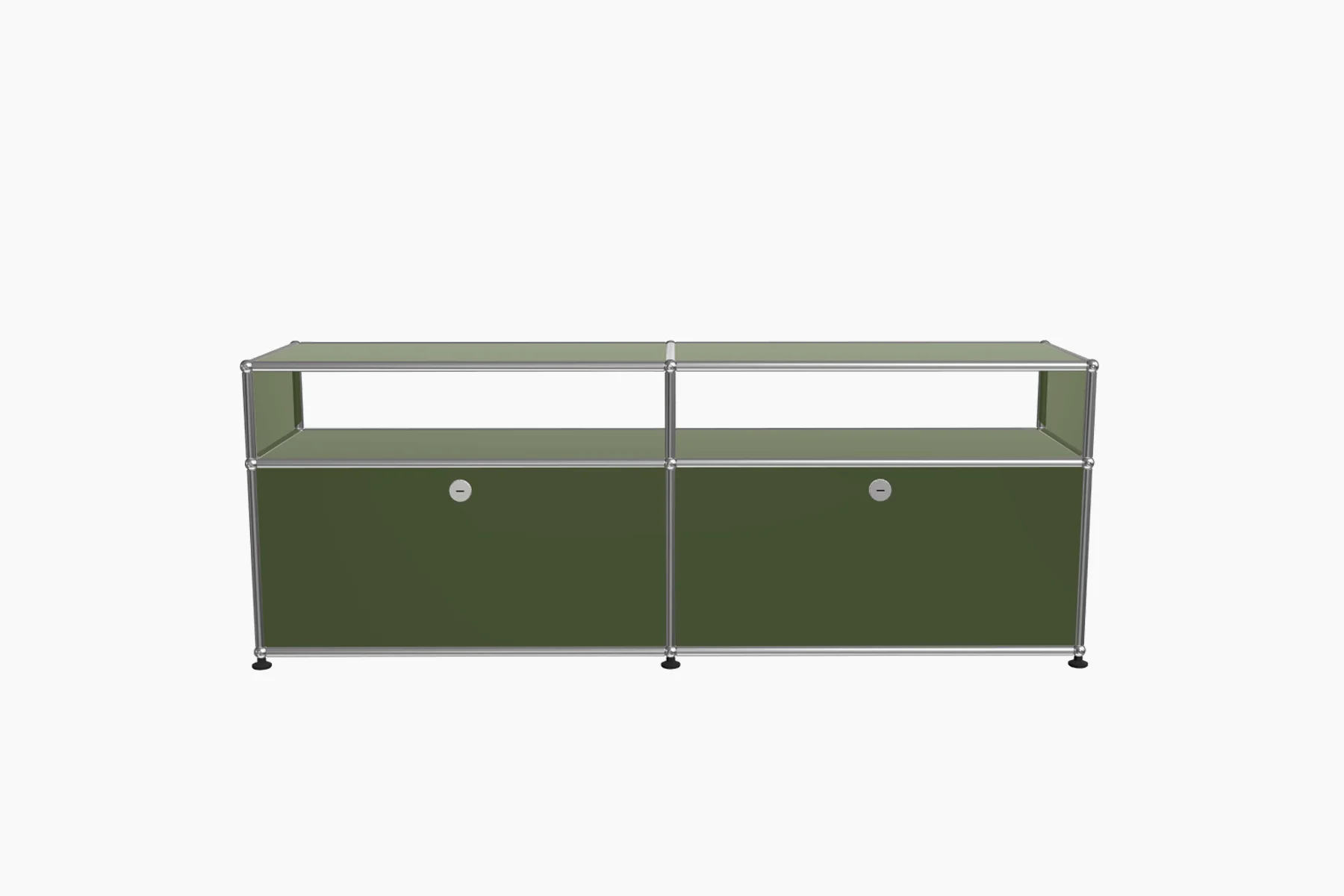
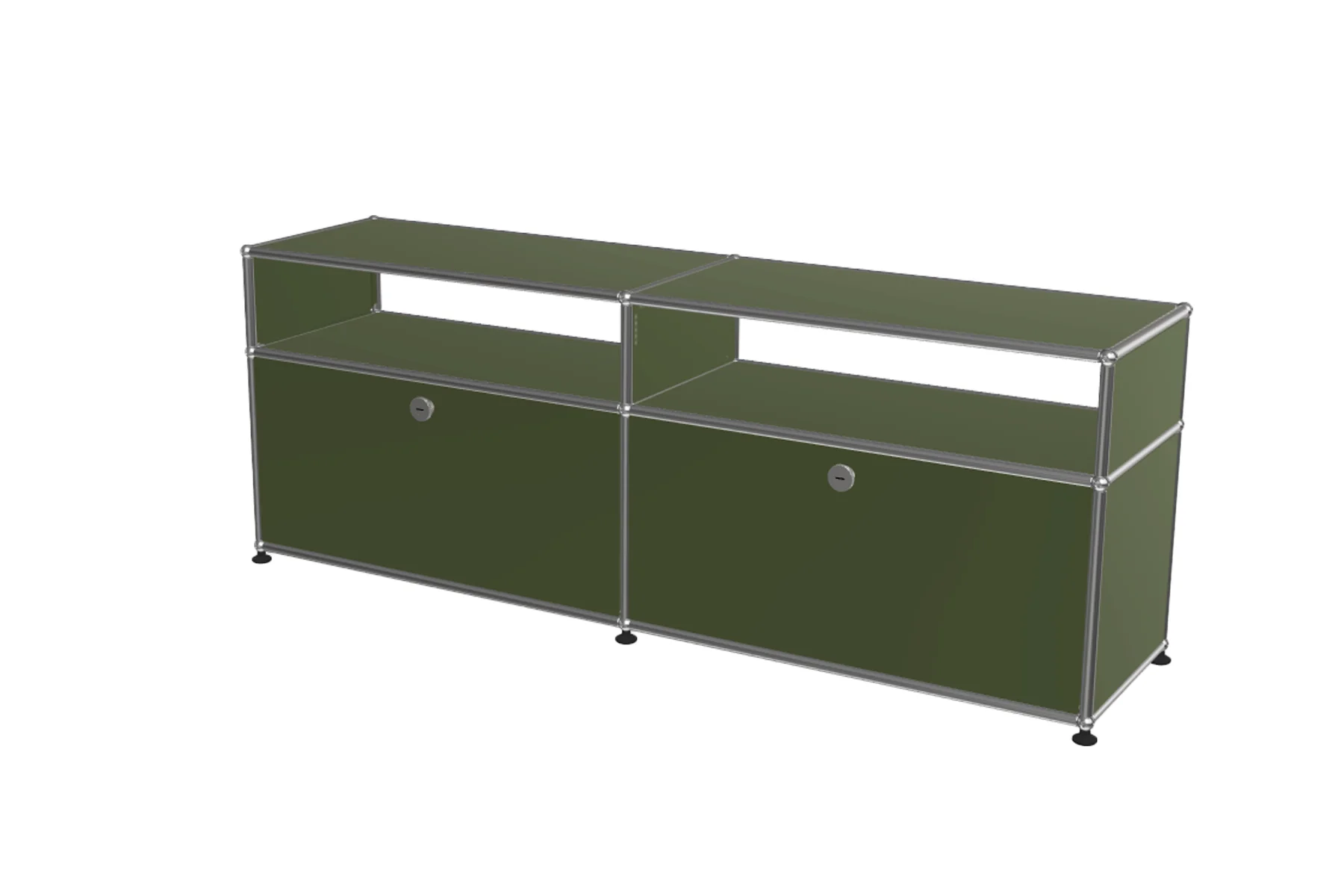
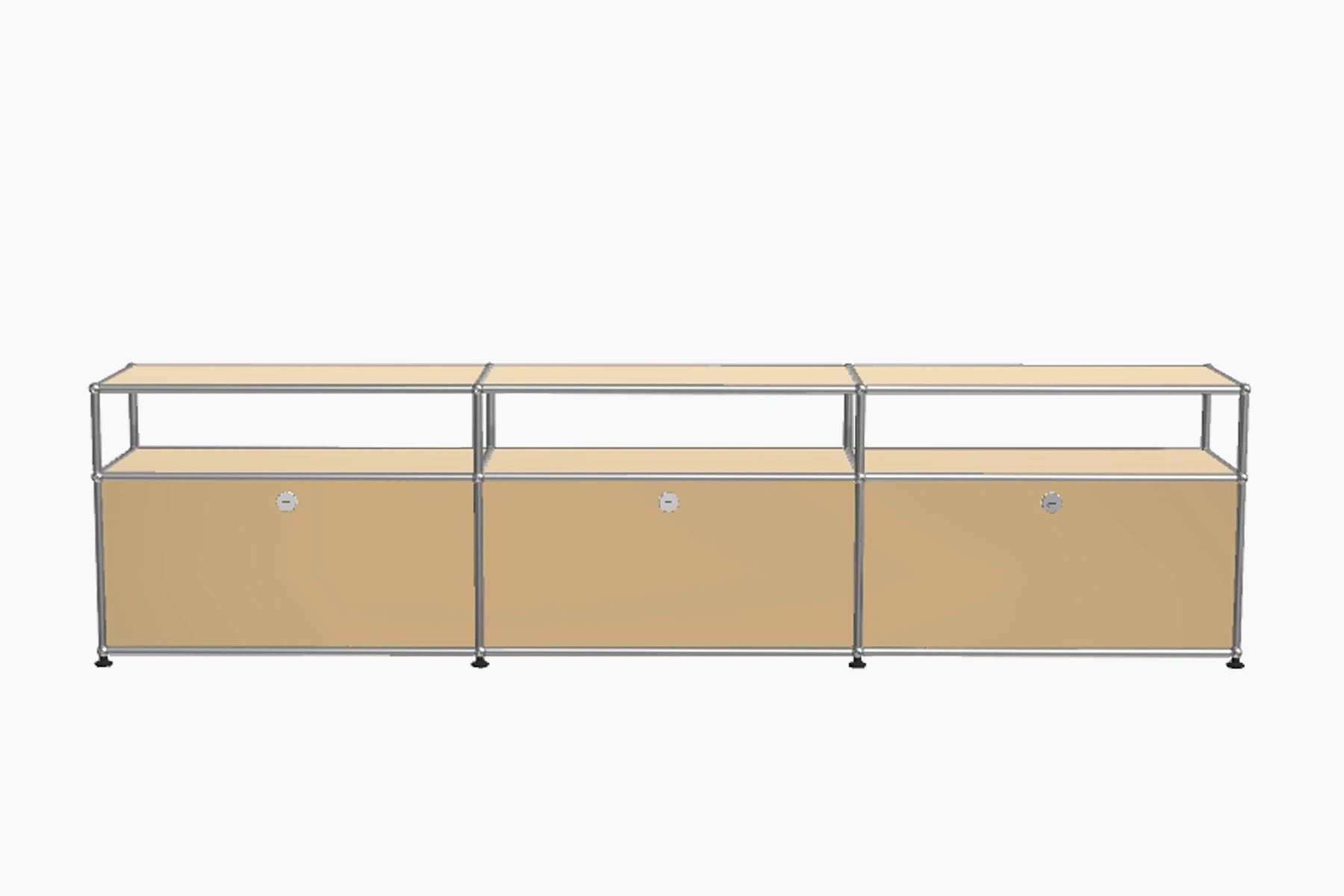
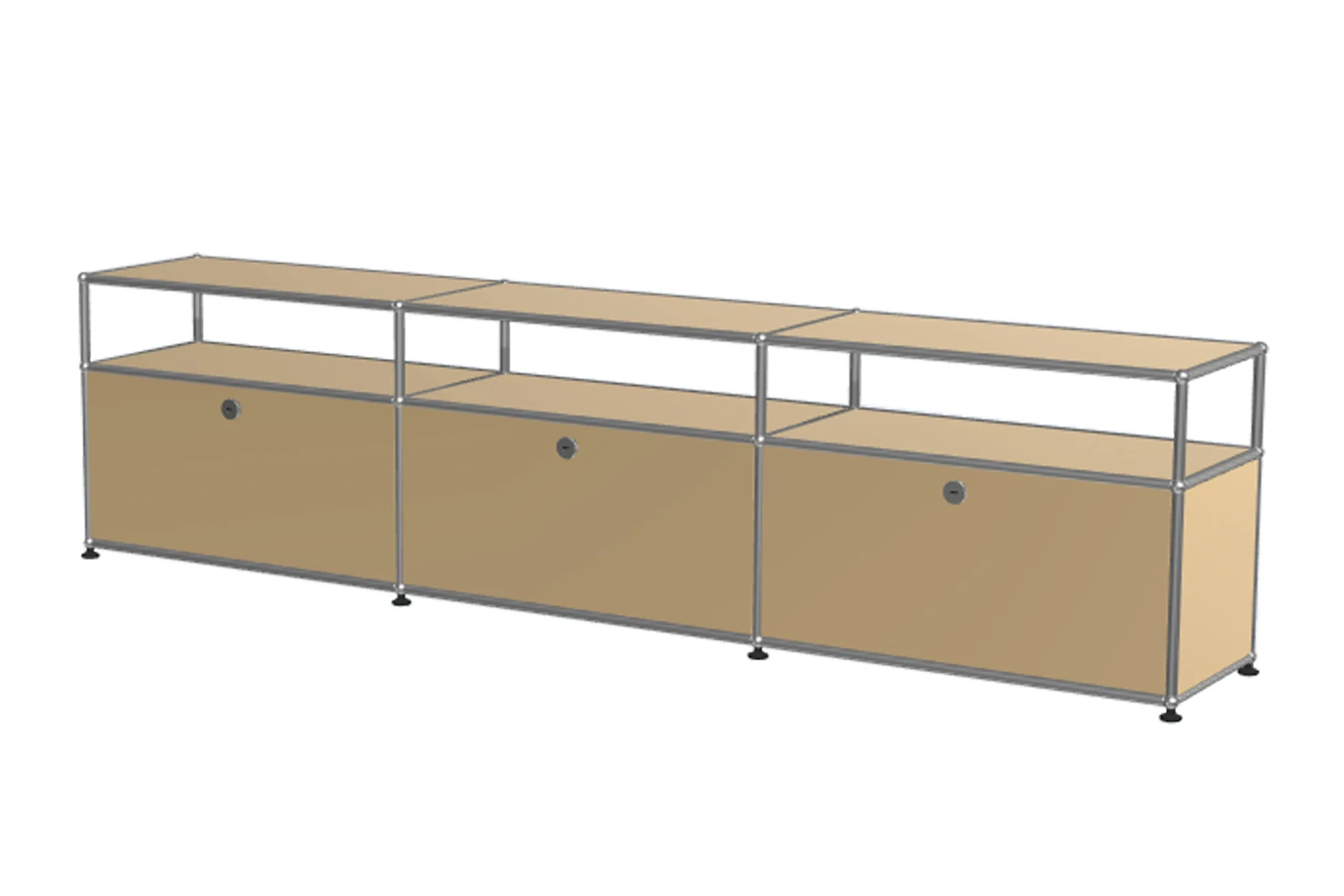
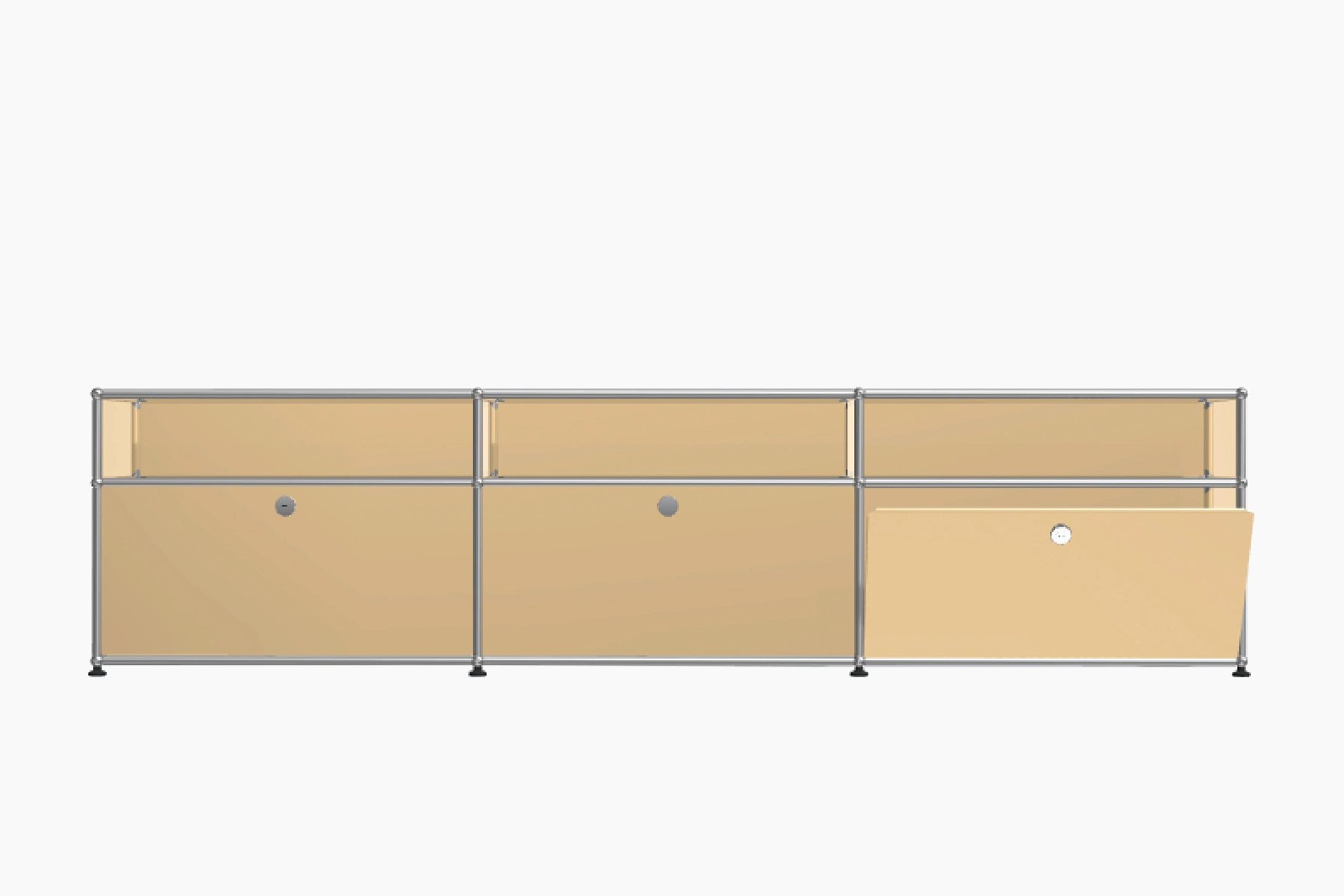
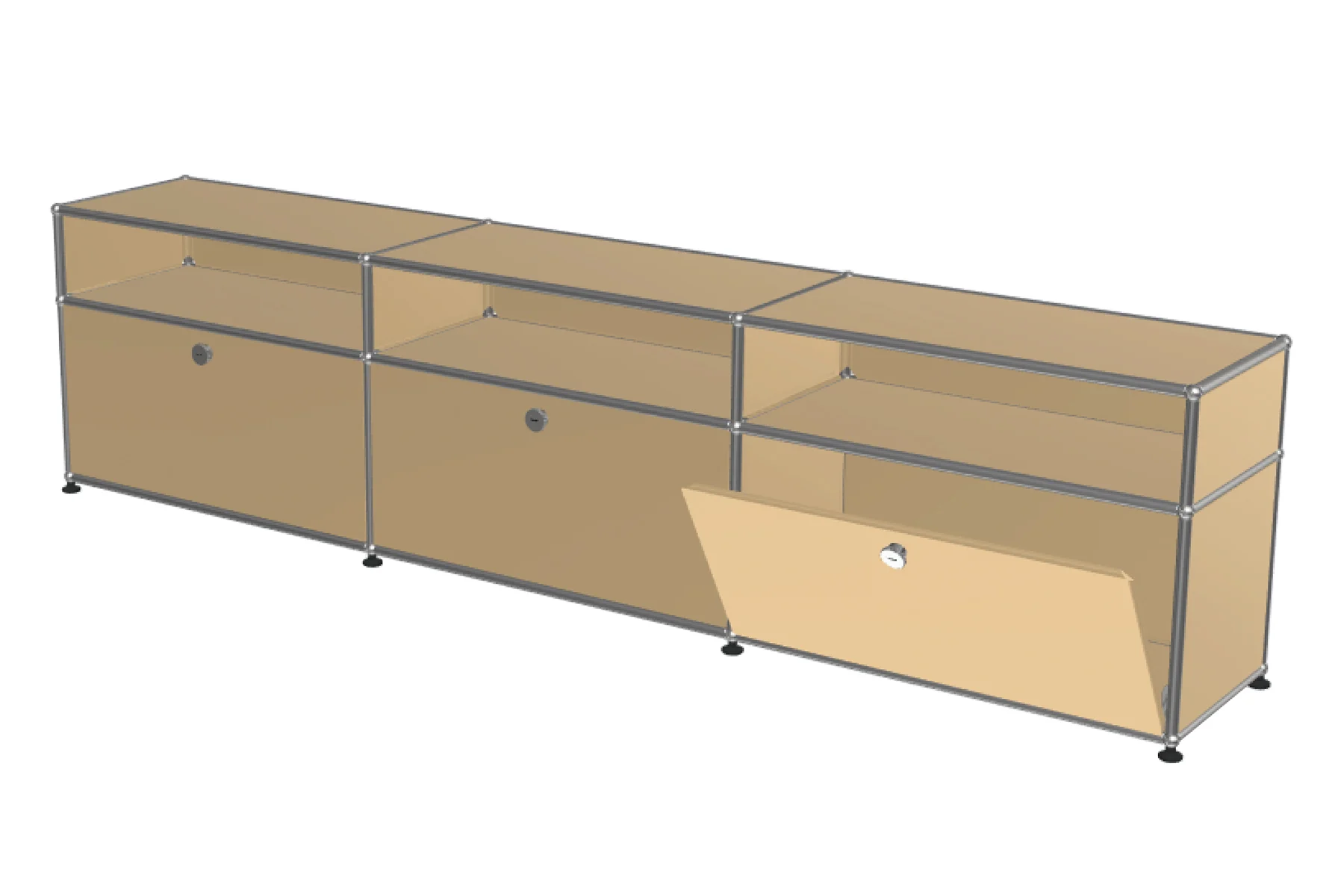
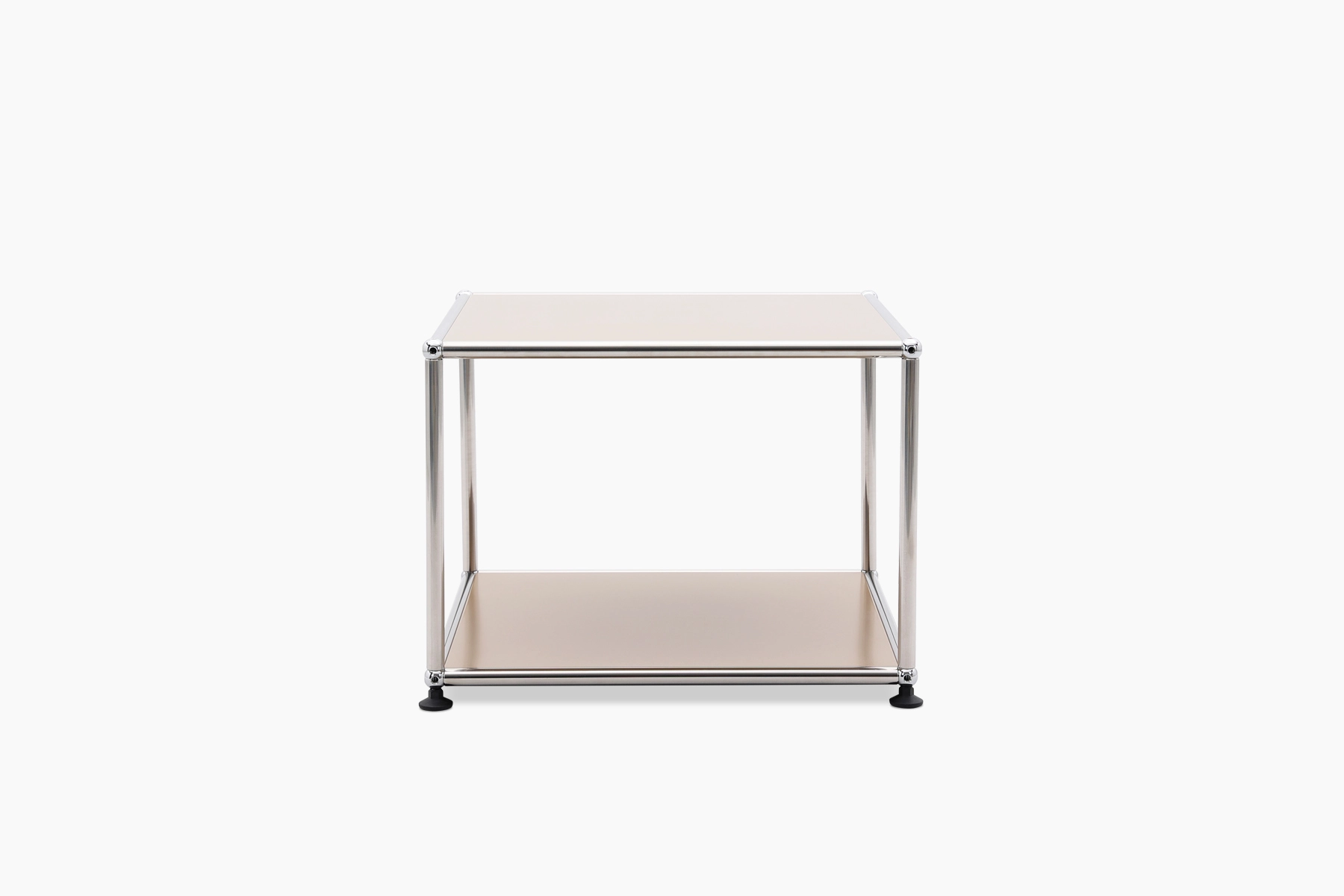
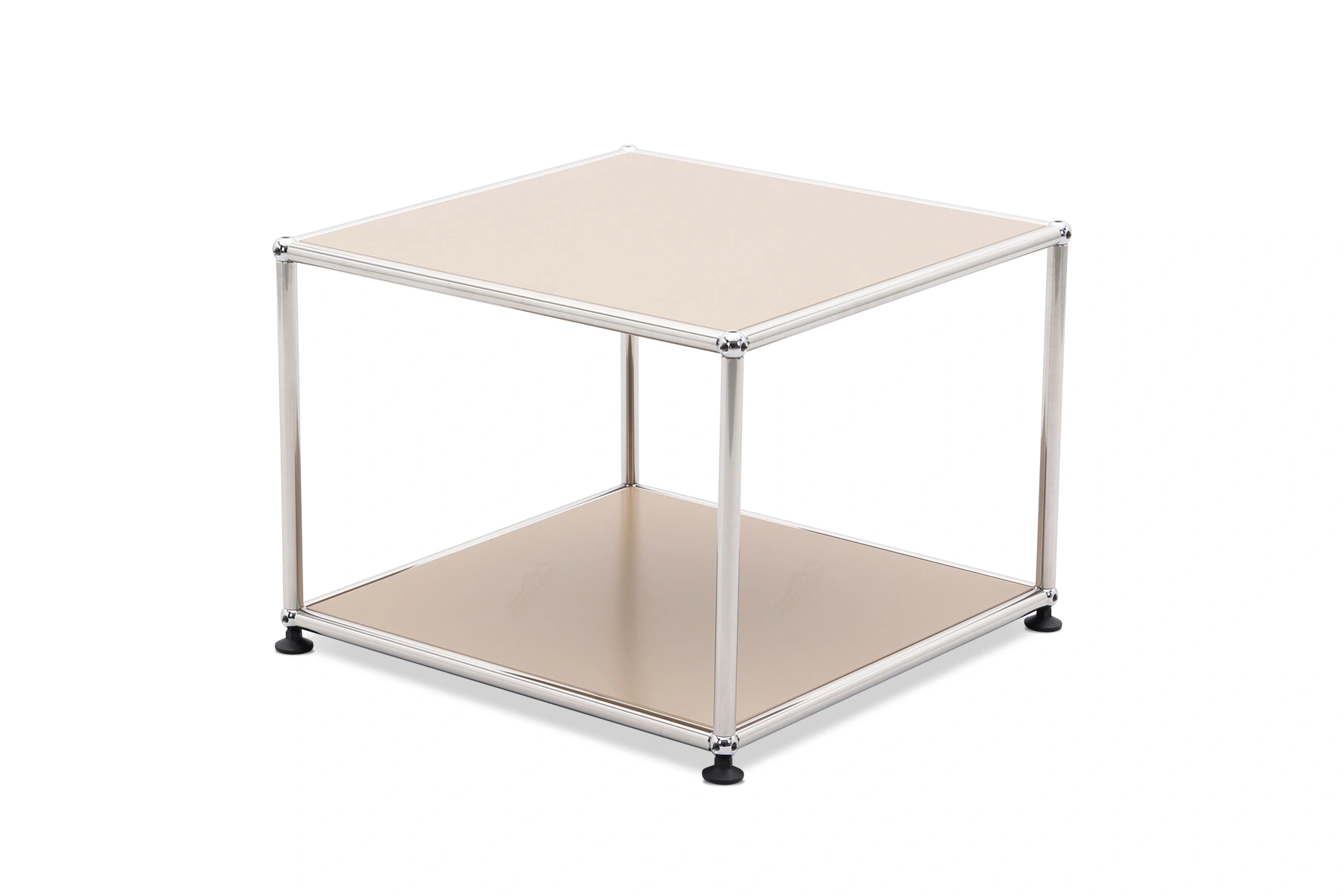
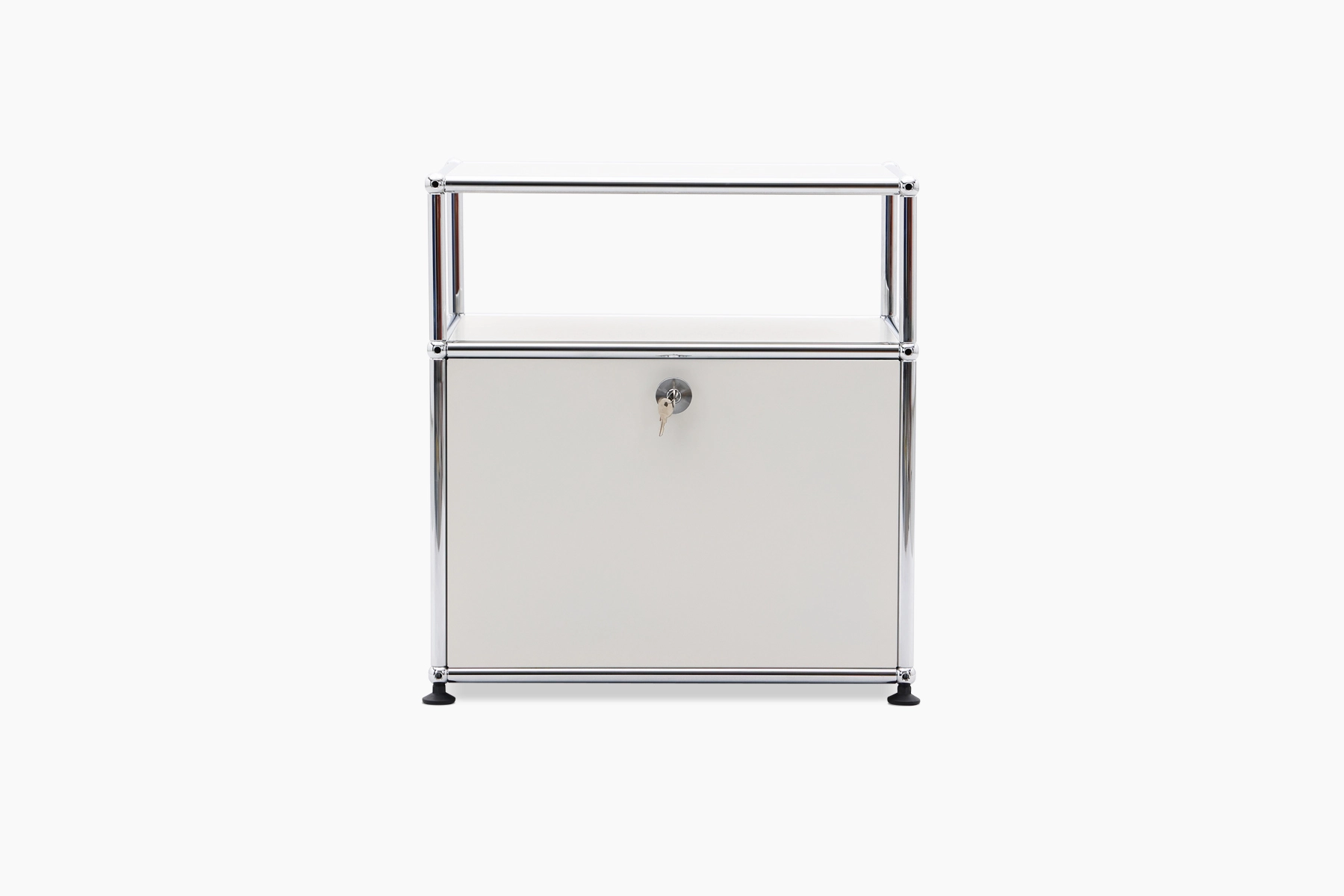
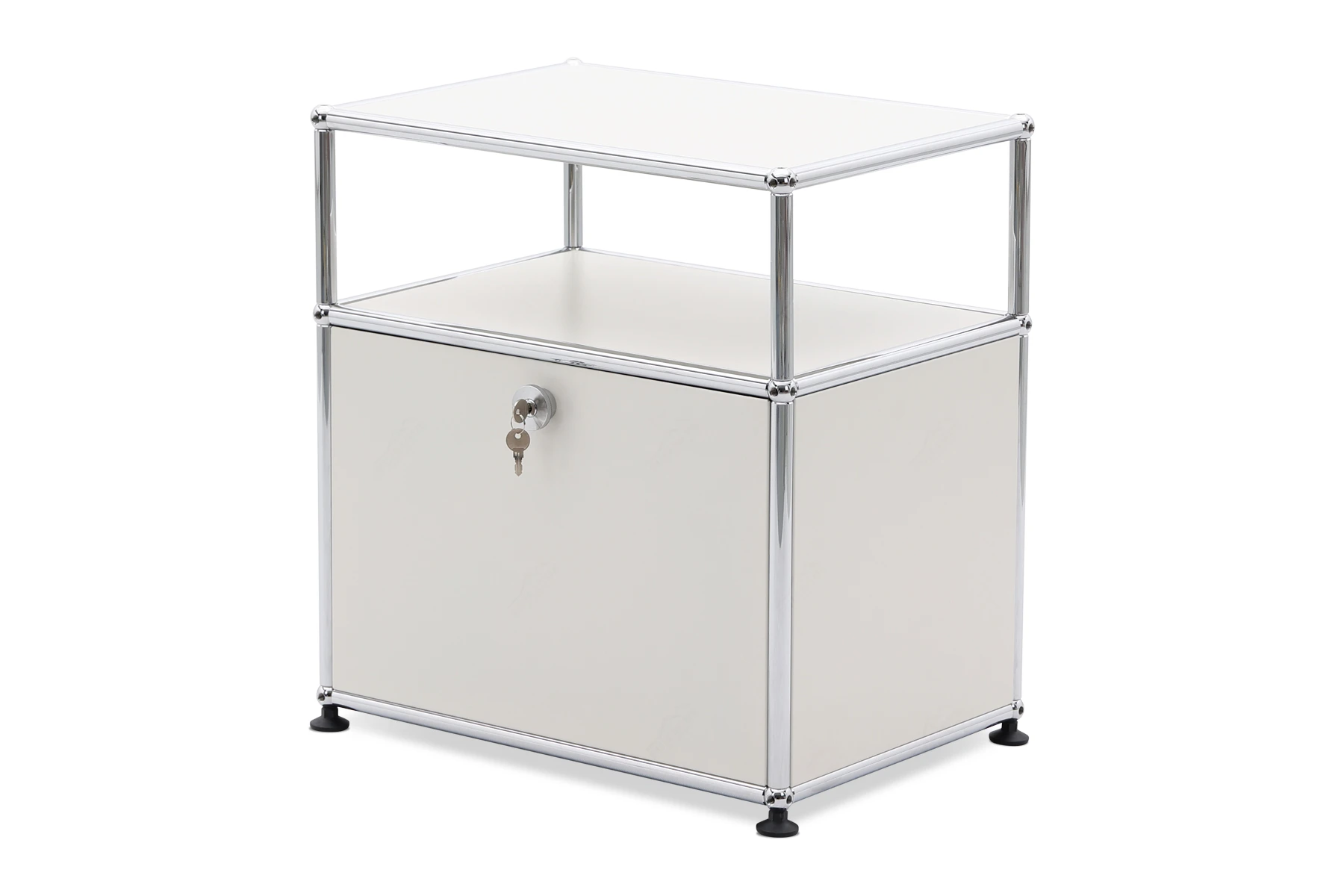
Modular storage options, like our USM Haller Style pieces, can be adapted easily when you change layouts. Systems built with steel uprights and modular panels let you add extra tiers upward, add modules laterally, or reconfigure an open shelving unit into an enclosed sideboard.
Explore ways you can elevate your space with modular cabinets.
Now that you know how to choose living room furniture, you can use this pre-purchase checklist to verify every dimension, clearance, and material choice before placing your order:
Learn how to choose furniture for a living room with a compact footprint.
A functional living room comes together through realistic planning, balanced proportions, and resilient materials suited to your lifestyle. Taking time to map walking clearances and test layouts ensures every piece feels intentional and comfortable.
At Fuleague, we design modular sectionals, versatile accent seating, and customizable storage systems built around mid-century modern inspiration and everyday durability. Explore our complete furniture catalog to find adaptable silhouettes and tailored upholstery options for your home.
Yes, we offer multiple upholstery choices across our seating and storage collections. These include textured bouclé, velvet, and performance microsuede, as well as semi-aniline and full-grain leathers. Our modular storage systems also feature interchangeable metal panel finishes and frame configurations to suit your space.
We offer free swatches of fabric, leather, and other materials. A $49 delivery fee applies, which will be credited toward your purchase.
We ship large items, including multi-piece modular sectionals and credenzas, through specialized third-party freight carriers. The carrier contacts you in advance to coordinate a designated delivery window. Your shipment arrives packed on protective pallets and is delivered directly to your building curb or driveway.
No, each component of your modular sectional arrives individually boxed. Setting up your arrangement requires positioning the individual seating blocks and securing the concealed steel connector brackets underneath. Two people can complete the setup in minutes without the need for special tools.
Inspect all shipping cartons thoroughly before signing the delivery paperwork. If you notice tears, punctures, or exterior carton damage, note the details directly on the delivery receipt and photograph the boxes. Contact our customer service team right away with your order number and photos so we can quickly arrange replacement components or support.
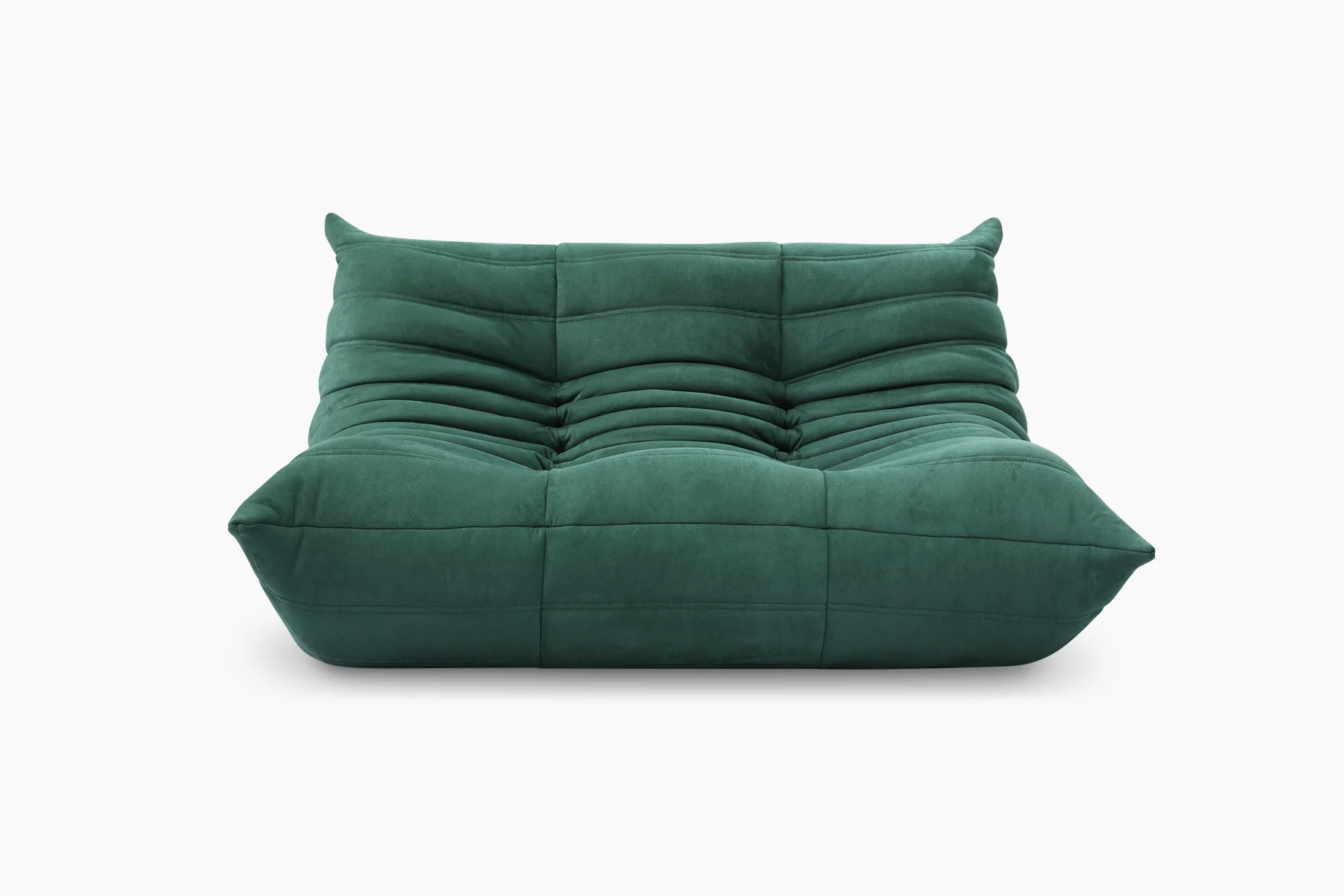 Ducaroy Loveseat Fabric Sofa
Lorem ipsum dolor sit amet, consectetur adipiscing elit. Ut elit tellus, luctus nec ullamcorper mattis, pulvinar dapibus leo.